Velebit Nature Park
PUBLIC INSTITUTION
- MEMBER OF THE GROUP
PI Velebit Nature Park
Velebit Nature Park was officially declared a protected area on 29 May 1981. The declaration is the result of years of efforts to preserve the unique natural and cultural heritage of Velebit, which is distinguished by its exceptional biological diversity, geological peculiarities and landscapes of exceptional beauty. Due to its wide range of diversity and its values, Velebit was included in the UNESCO Man and the Biosphere (MAB) Programme as a biosphere reserve in 1978, which further confirms its global importance.
As the largest protected area, Velebit Nature Park covers an area of 1,829 km². It encompasses the entire Velebit mountain and stretches in a northwest-southeast direction along the Adriatic coast for 145 km. Geographically, Velebit can be divided into three parts separated by passes: Northern Velebit (from the Vratnik Pass to the Veliki Alan Pass), Central Velebit (from the Veliki Alan Pass to Baške Oštarija) and Southern Velebit (from Baške Oštarija to the Zrmanja River Valley), each of which has its own specific natural characteristics and geomorphological forms.
Velebit Nature Park is rich in diversity, from forest habitats and scrub, grassland habitats, rocky and underground habitats to aquatic habitats. Velebit flora records approximately 1900 species and subspecies with approximately 80 endemics. All three large carnivores – bear, wolf and lynx – have found their home in the Velebit area. There is a large number of birds, bats, amphibians and reptiles, as well as insects and fish.
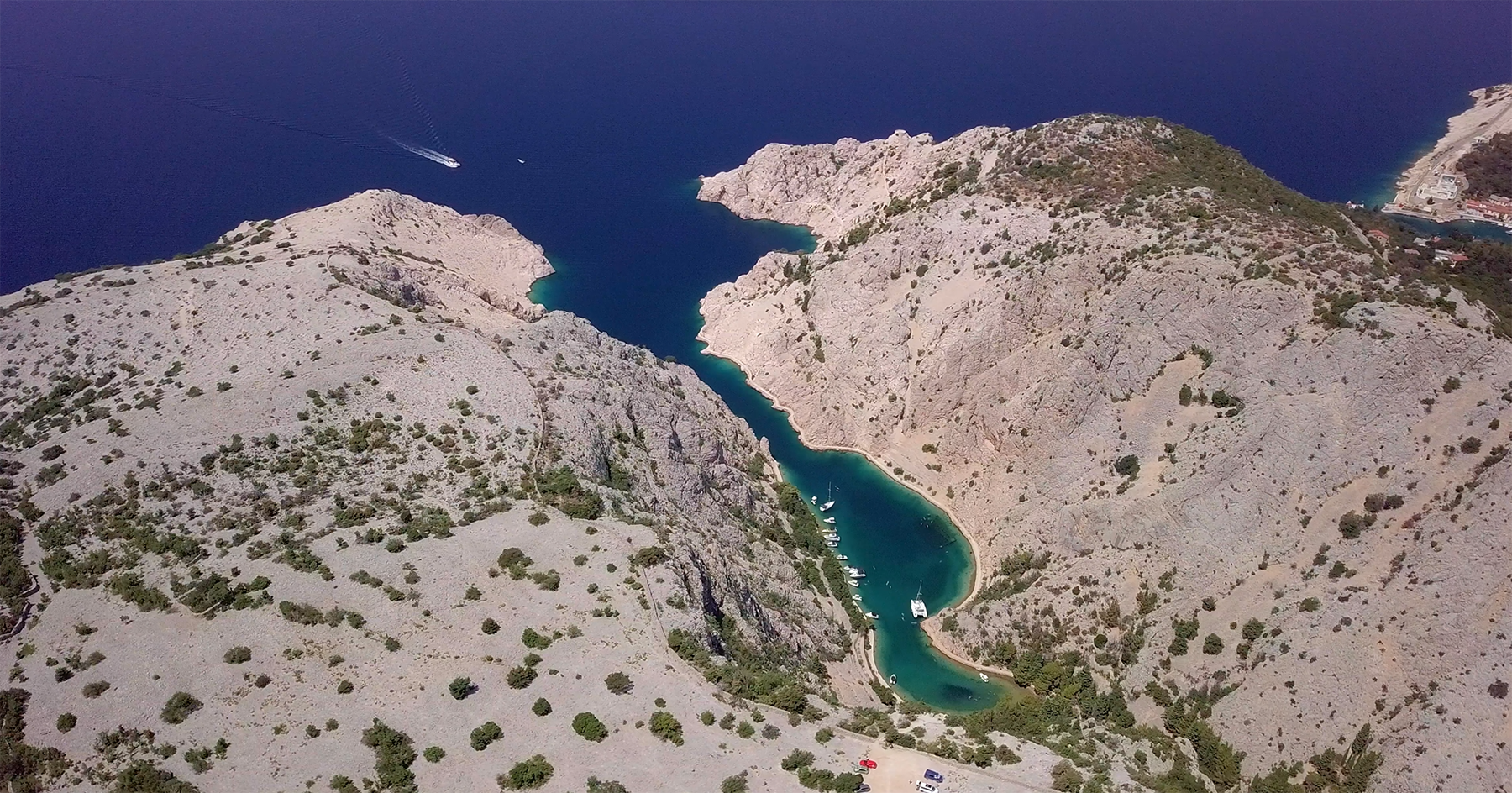
The public institution manages, among others, the marine areas of the ecological network along the eastern coast of the Velebit Channel, between Senj and Rovanjska. The area of these areas is 326.8 ha, and they are: Sv. Juraj-Lisac Island, Malin and Duboka coves, Ivanča cove, Zavratnica cove, Krivača cove, Vrulja cove, Jurišnica cove, Plantaža cove and Modrič cove. Zavratnica cove stands out as a significant landscape protected in 1964, about 900 m long and between 50 and 150 m wide. The shores are steep and up to 100 m high, so the cove resembles a small fjord. In order to stop the effect of the torrent, cascades and terraces were built using the dry-stone technique, on which cypress, Aleppo and black pine, fig, holm oak, etc. are planted.
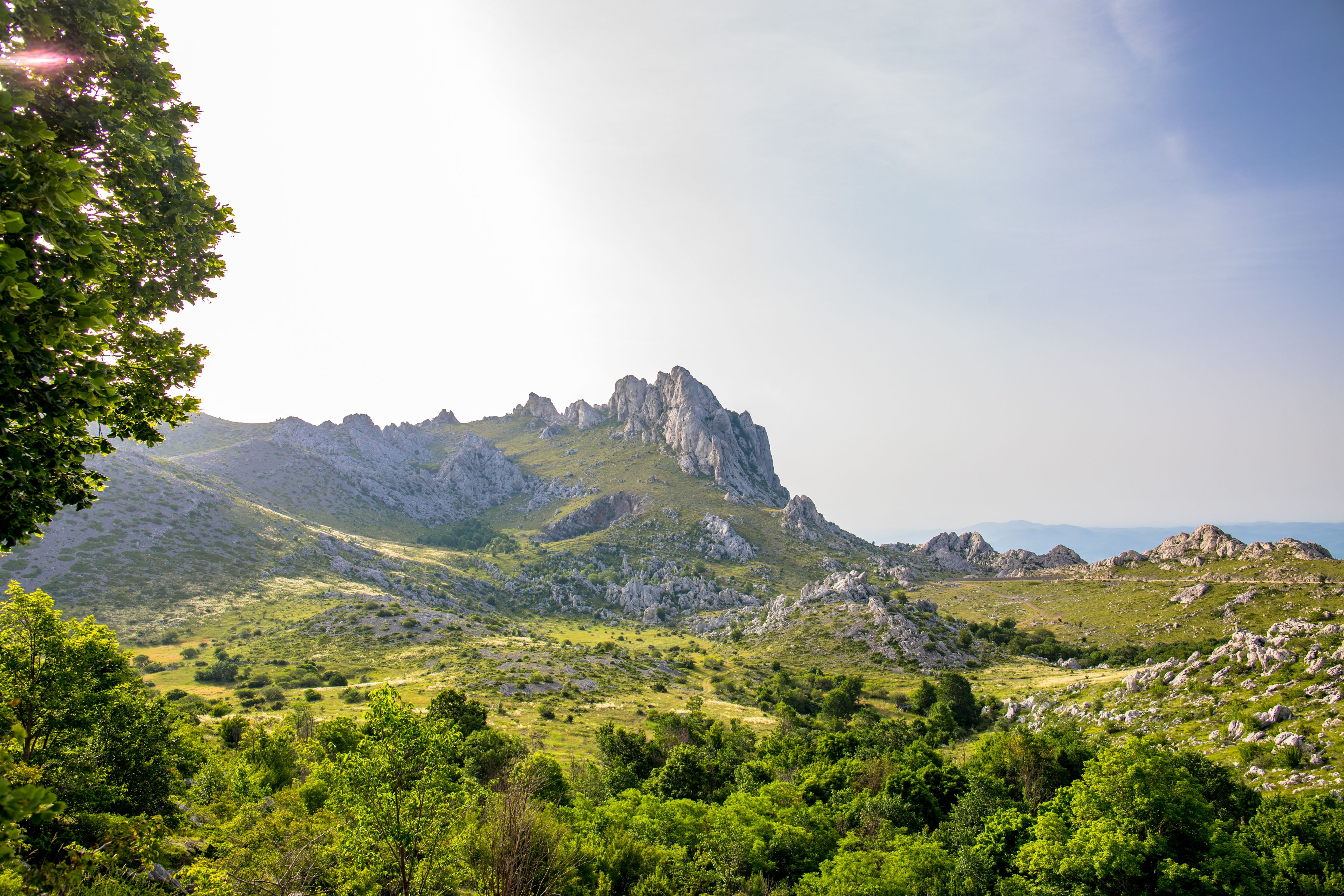
PHOTO GALLERY
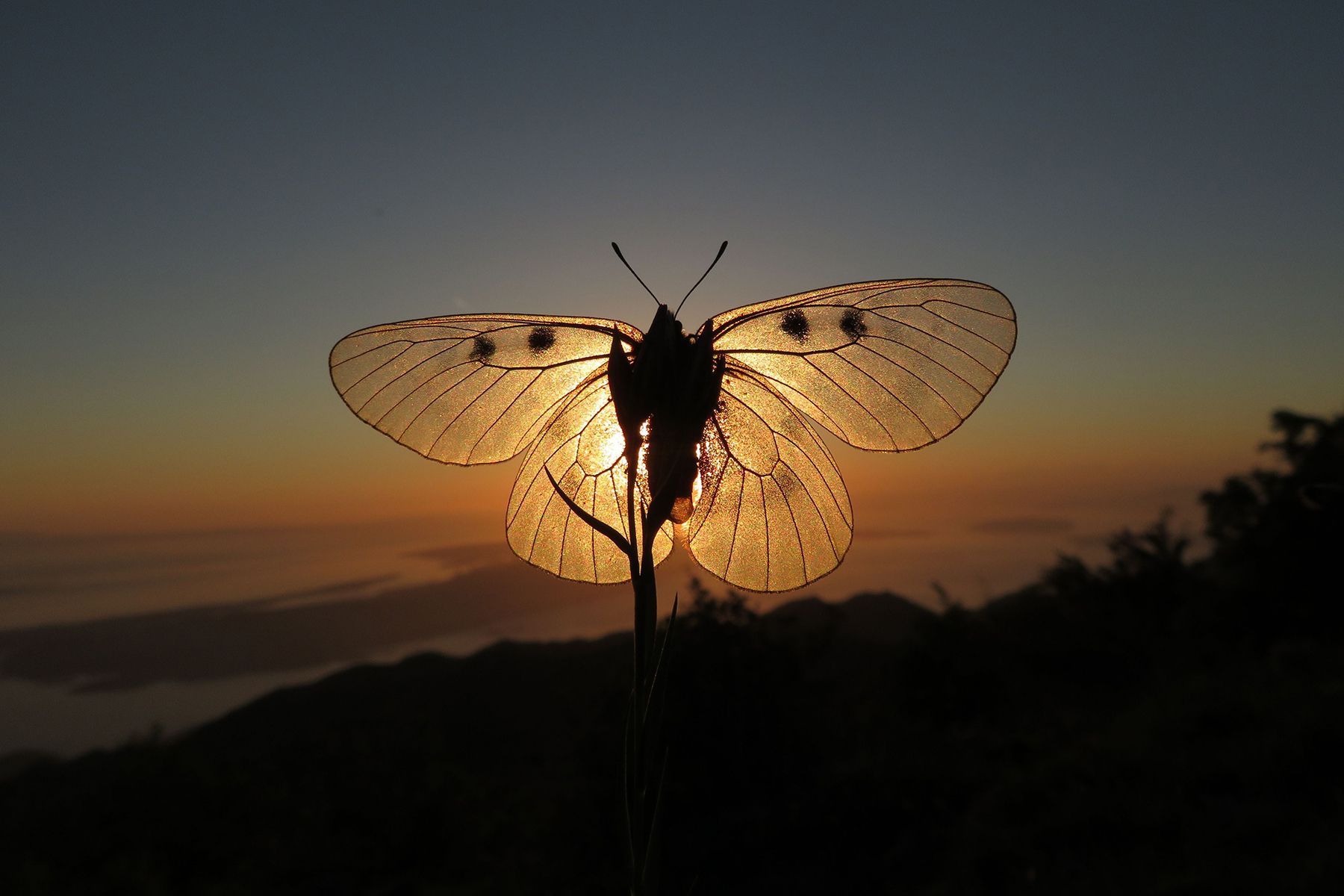
Apolon.jpg
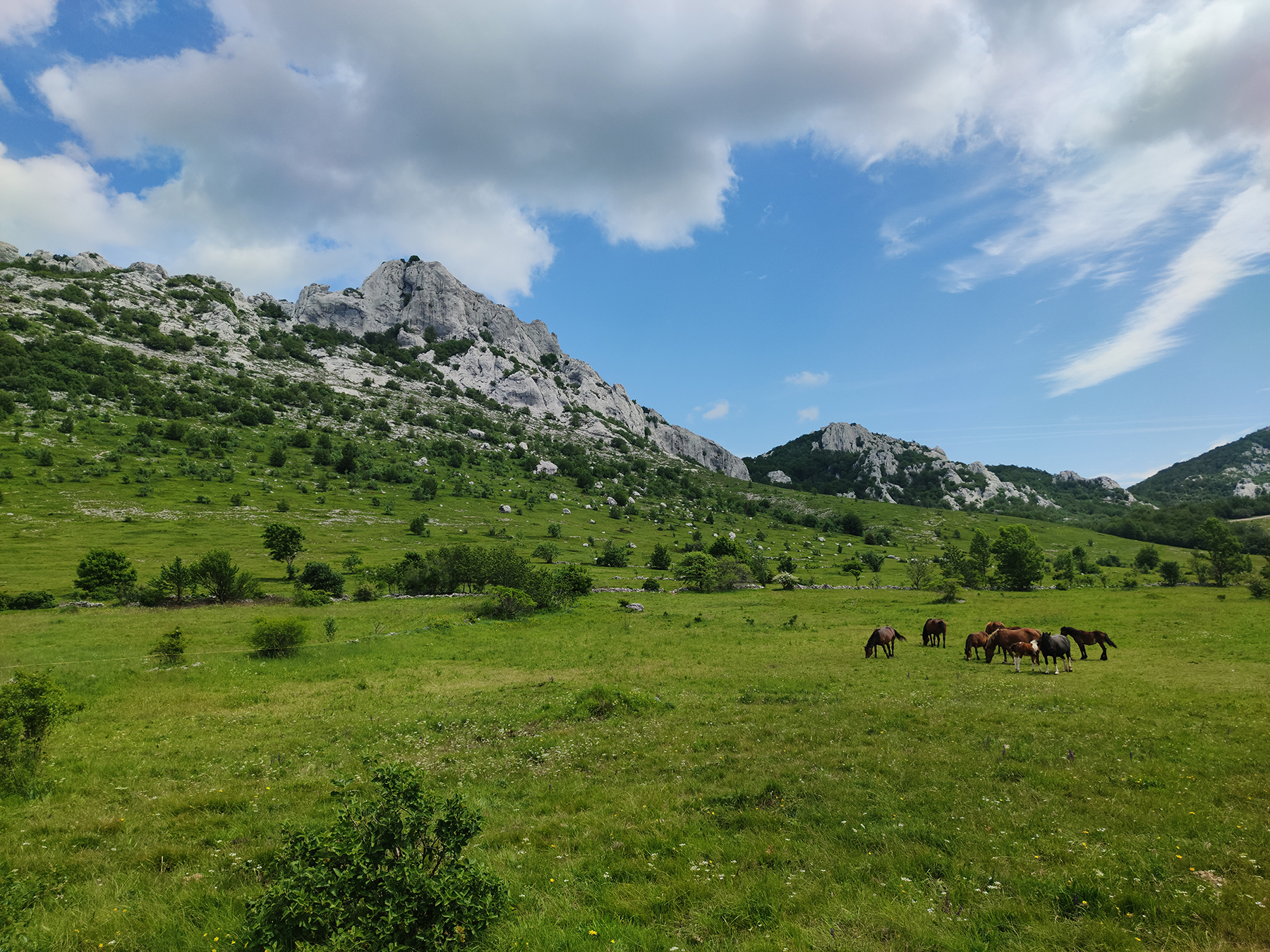
Baške Oštarije.jpg
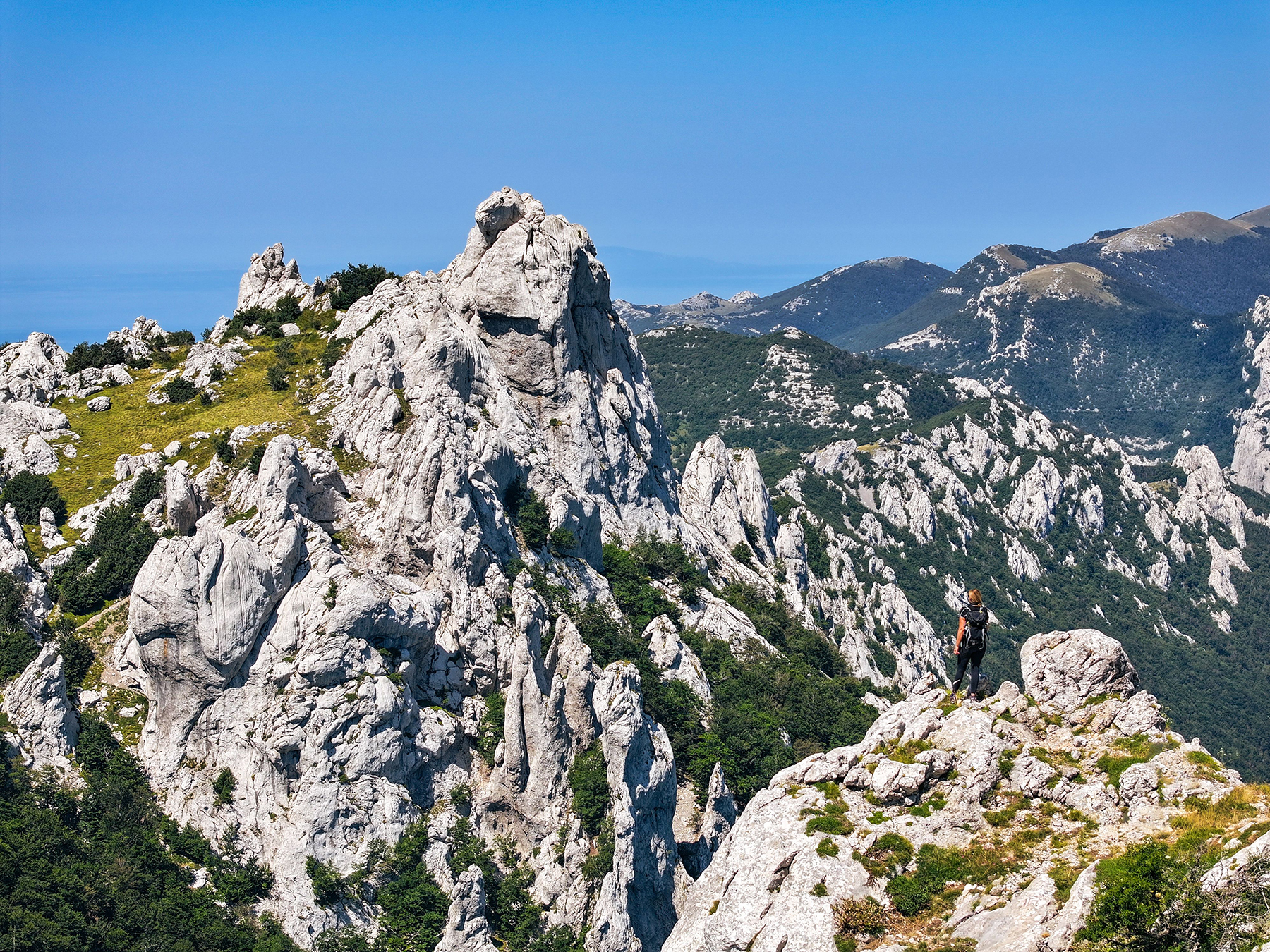
Kiza-srednji Velebit.jpg
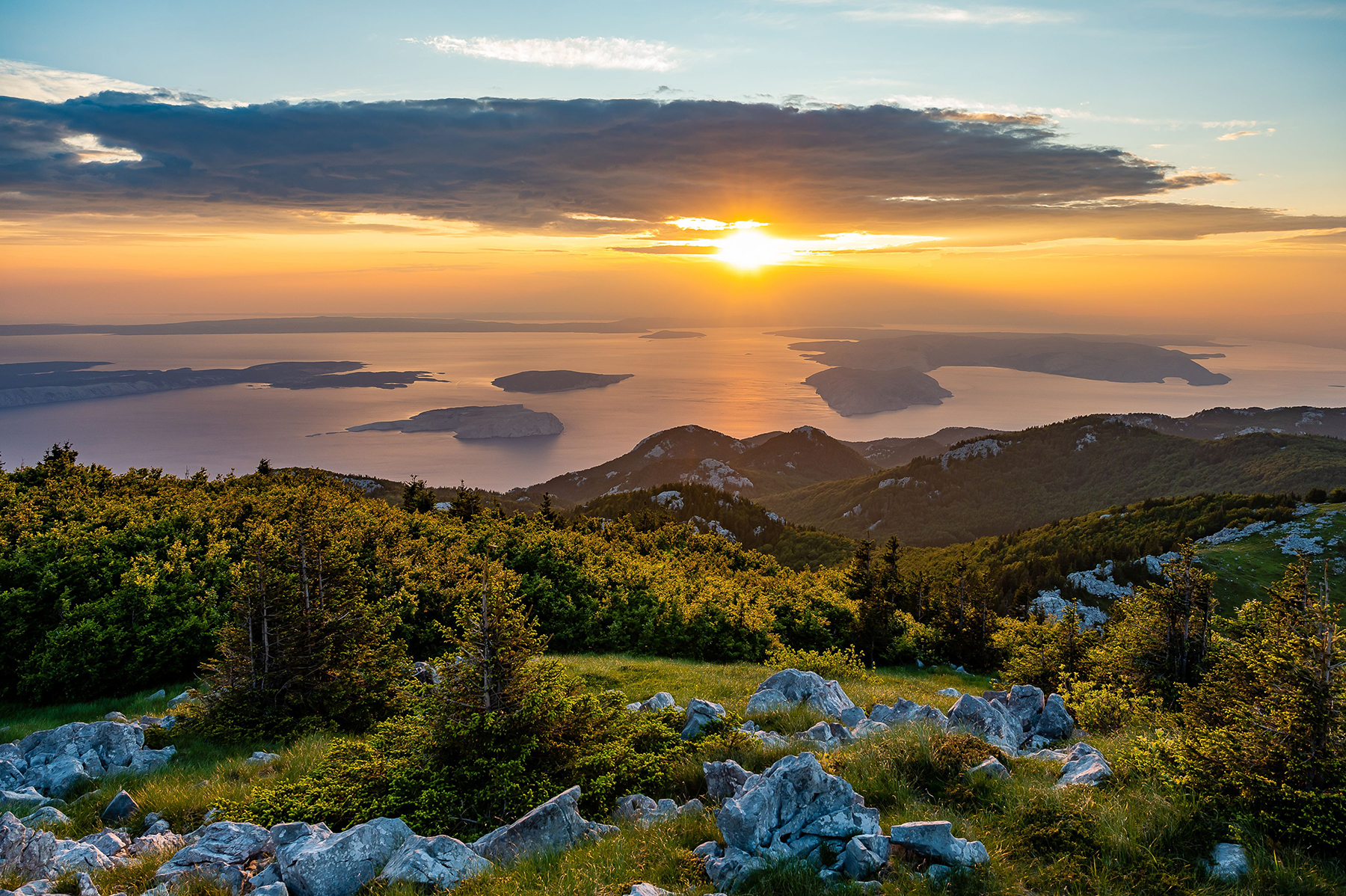
Pogled na more s Velebita.jpg
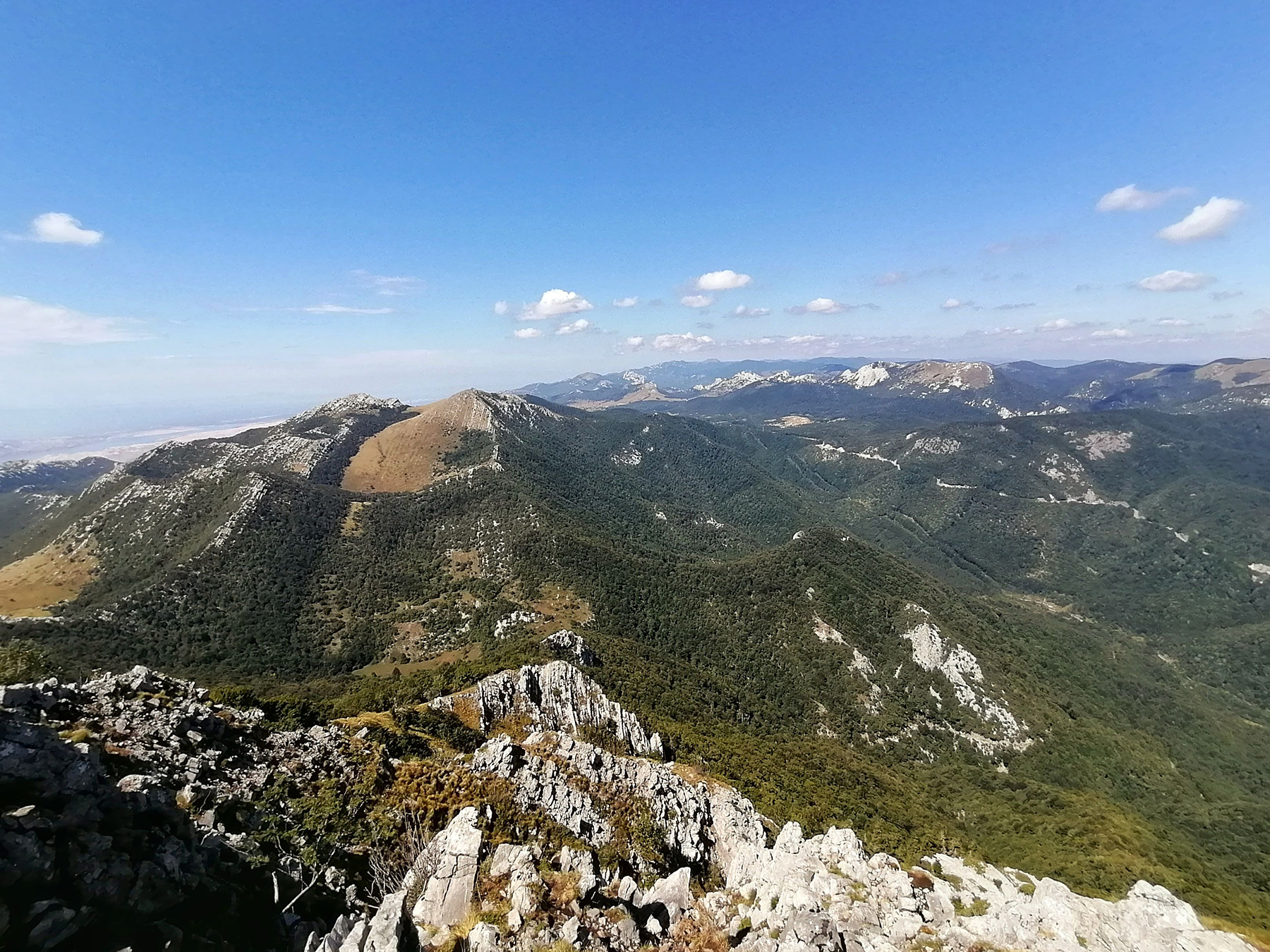
Pogled s Konjevače.jpg
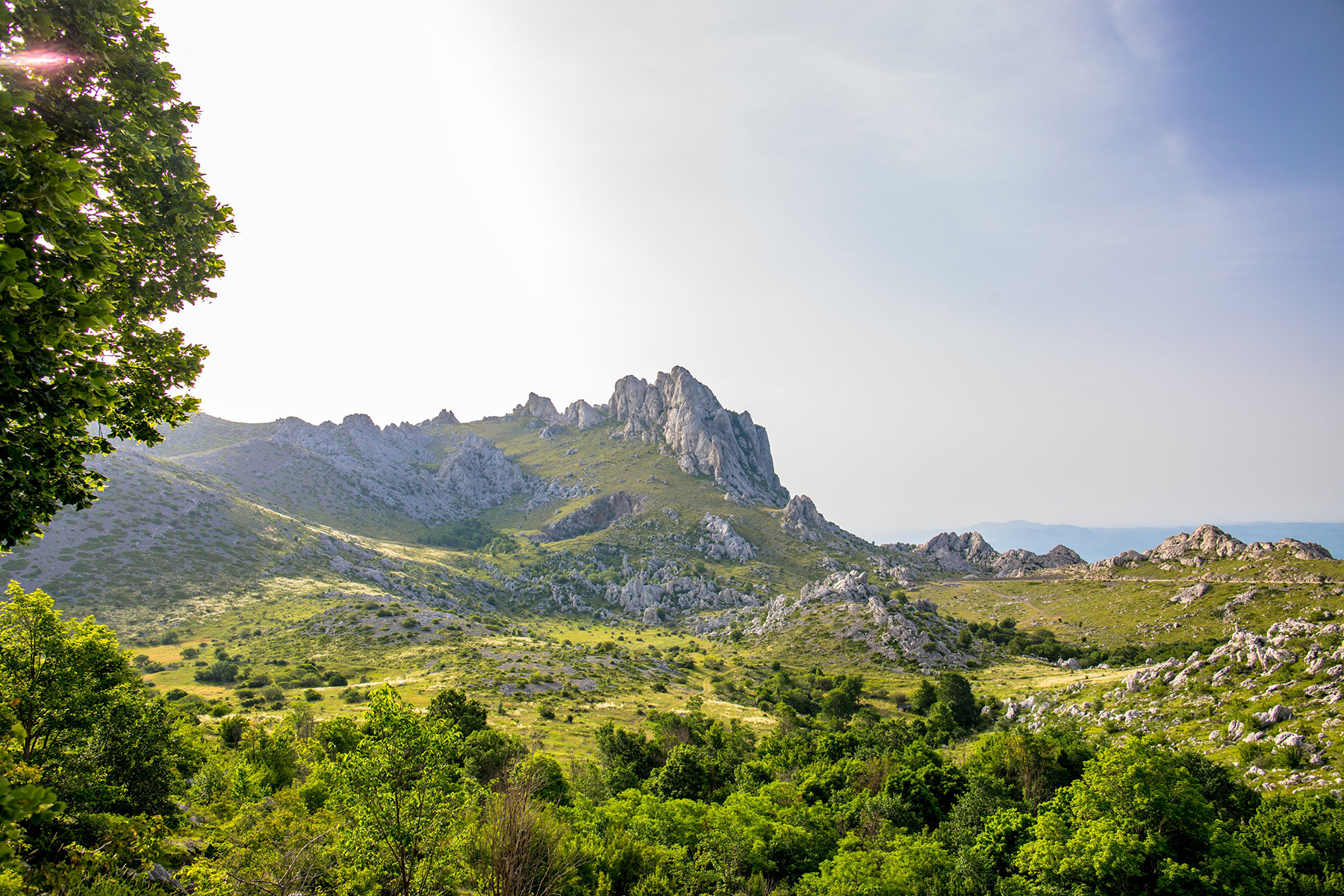
Tulov grede.jpg
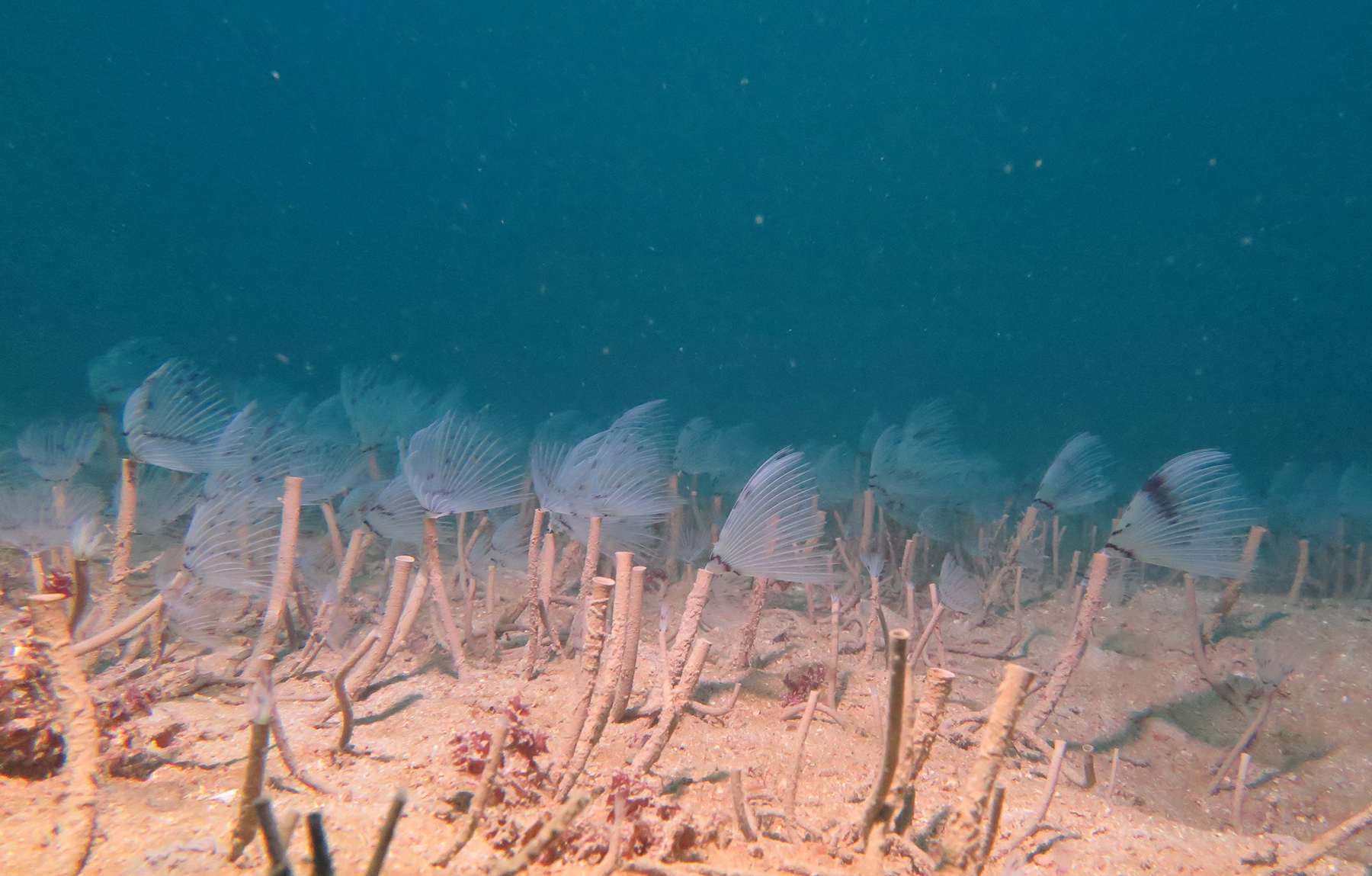
uvala Ivanča.JPG
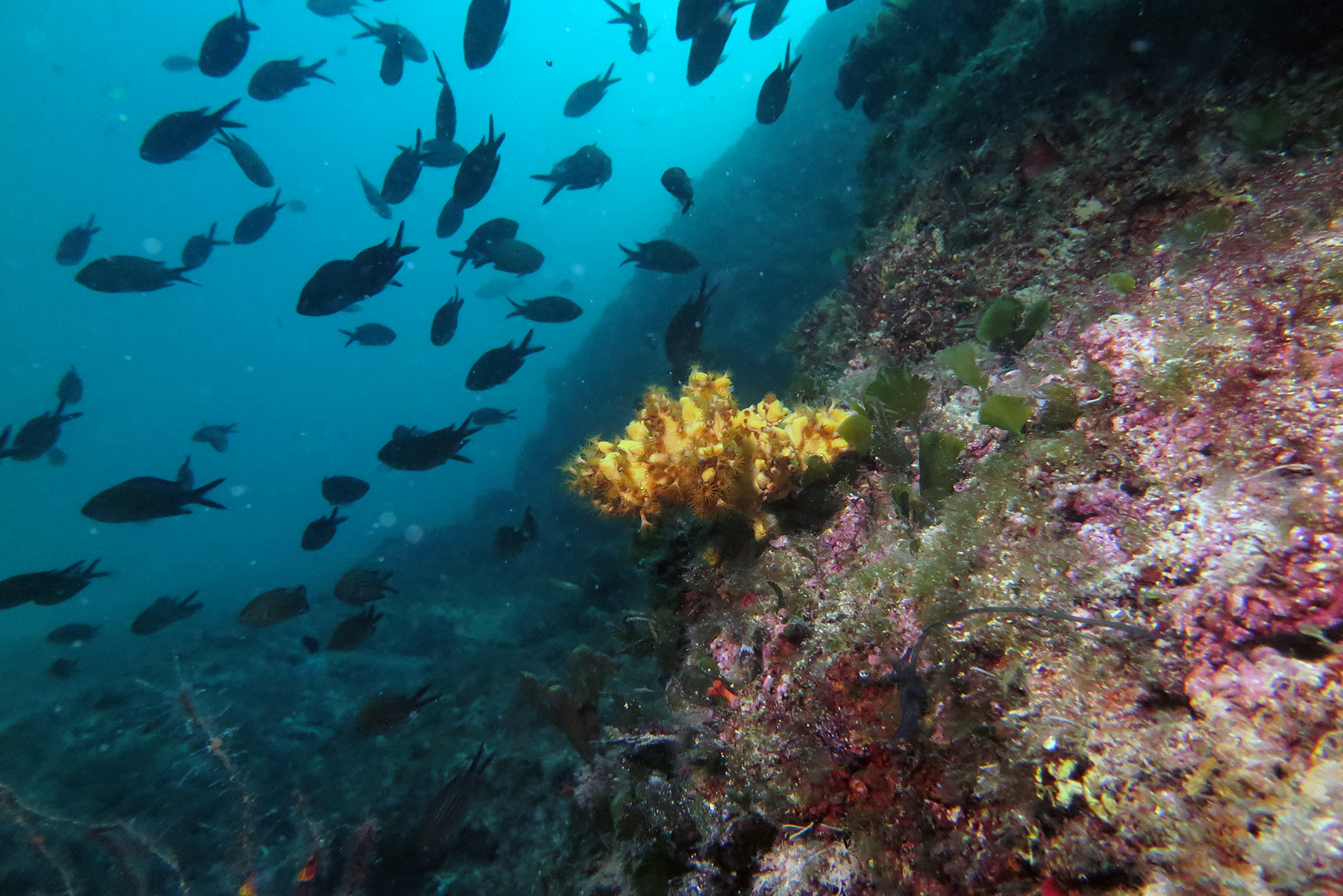
uvala Krivača.JPG