Mljet National Park
PUBLIC INSTITUTION
- MEMBER OF THE GROUP
PI Mljet National Park
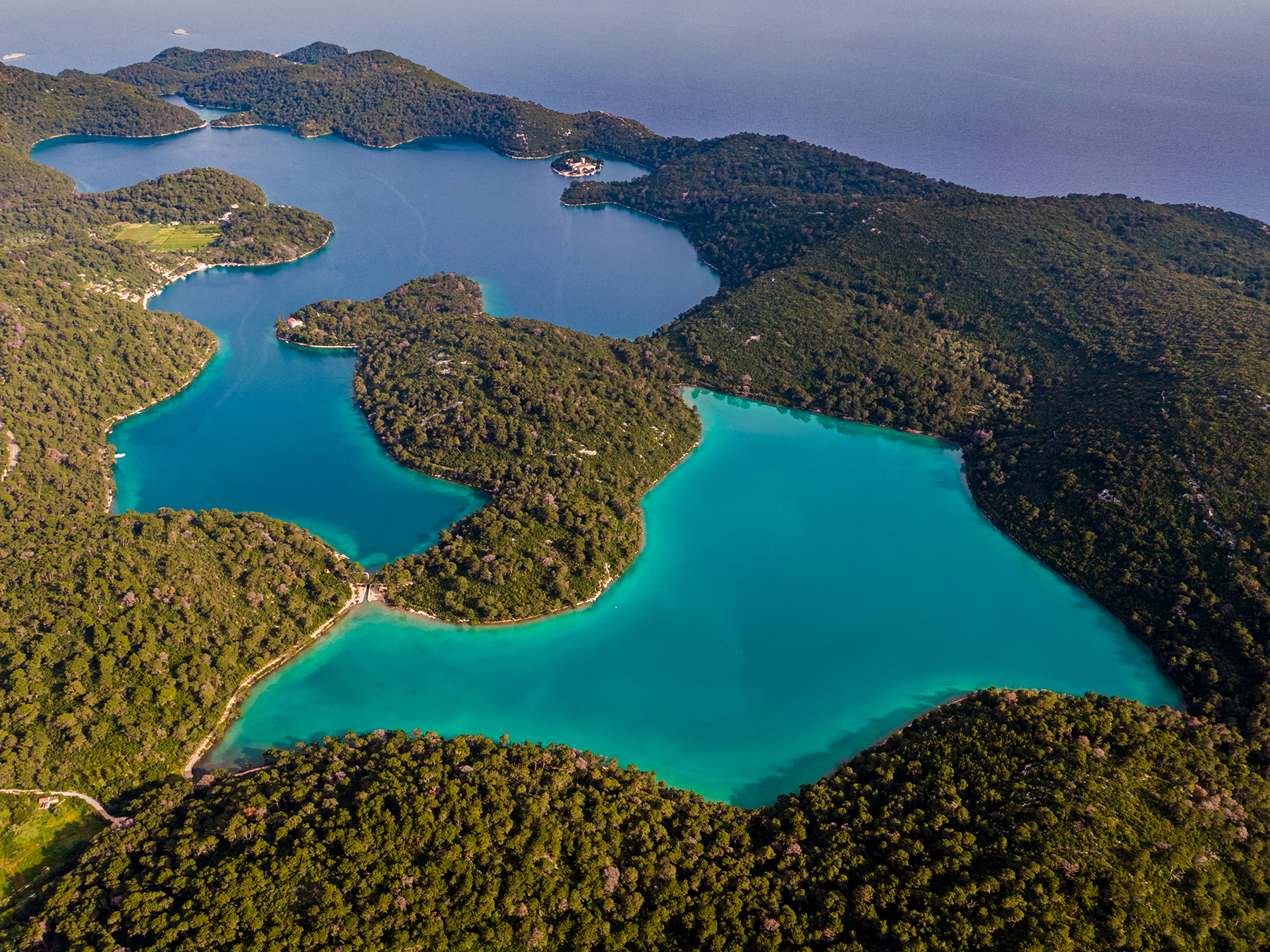
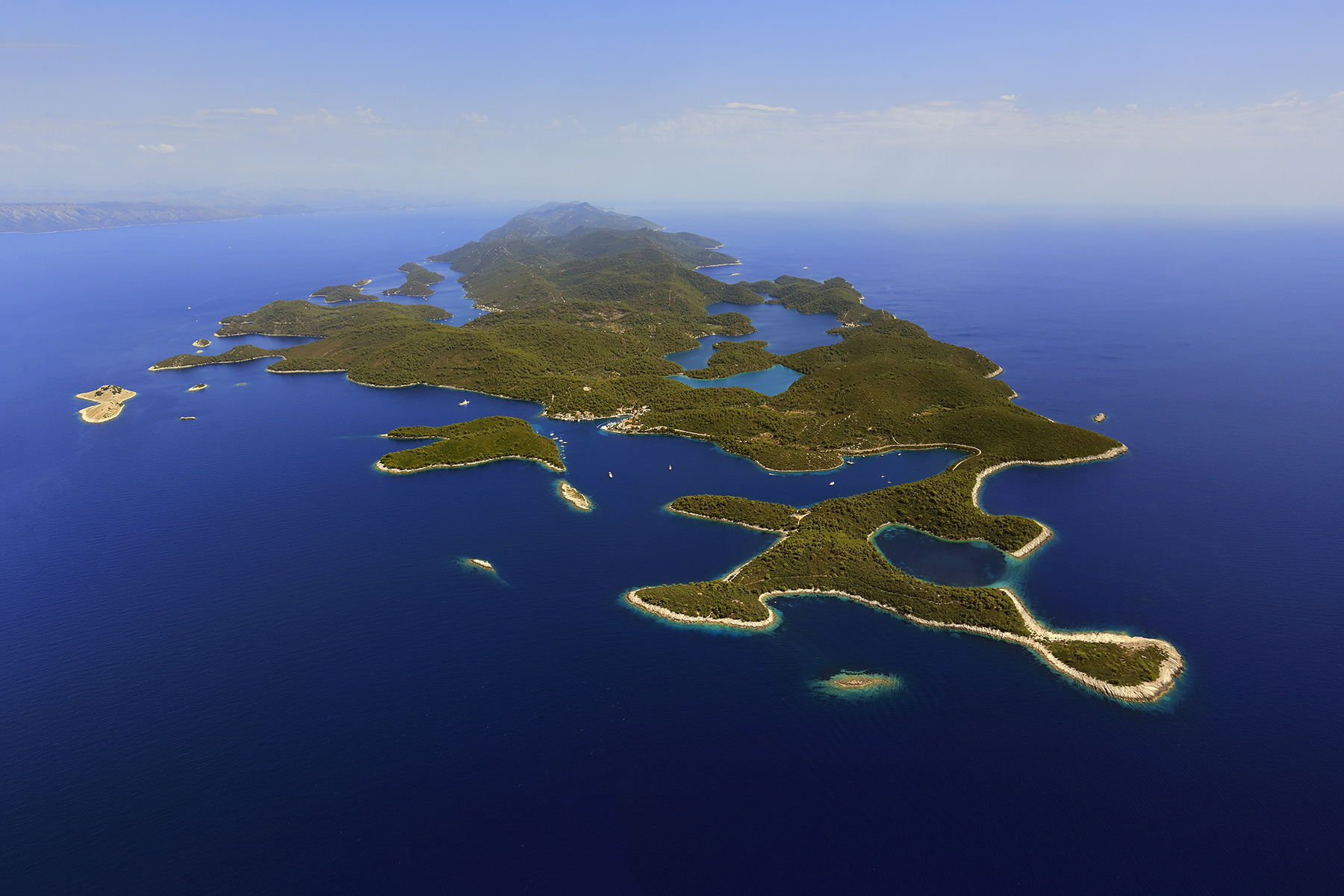
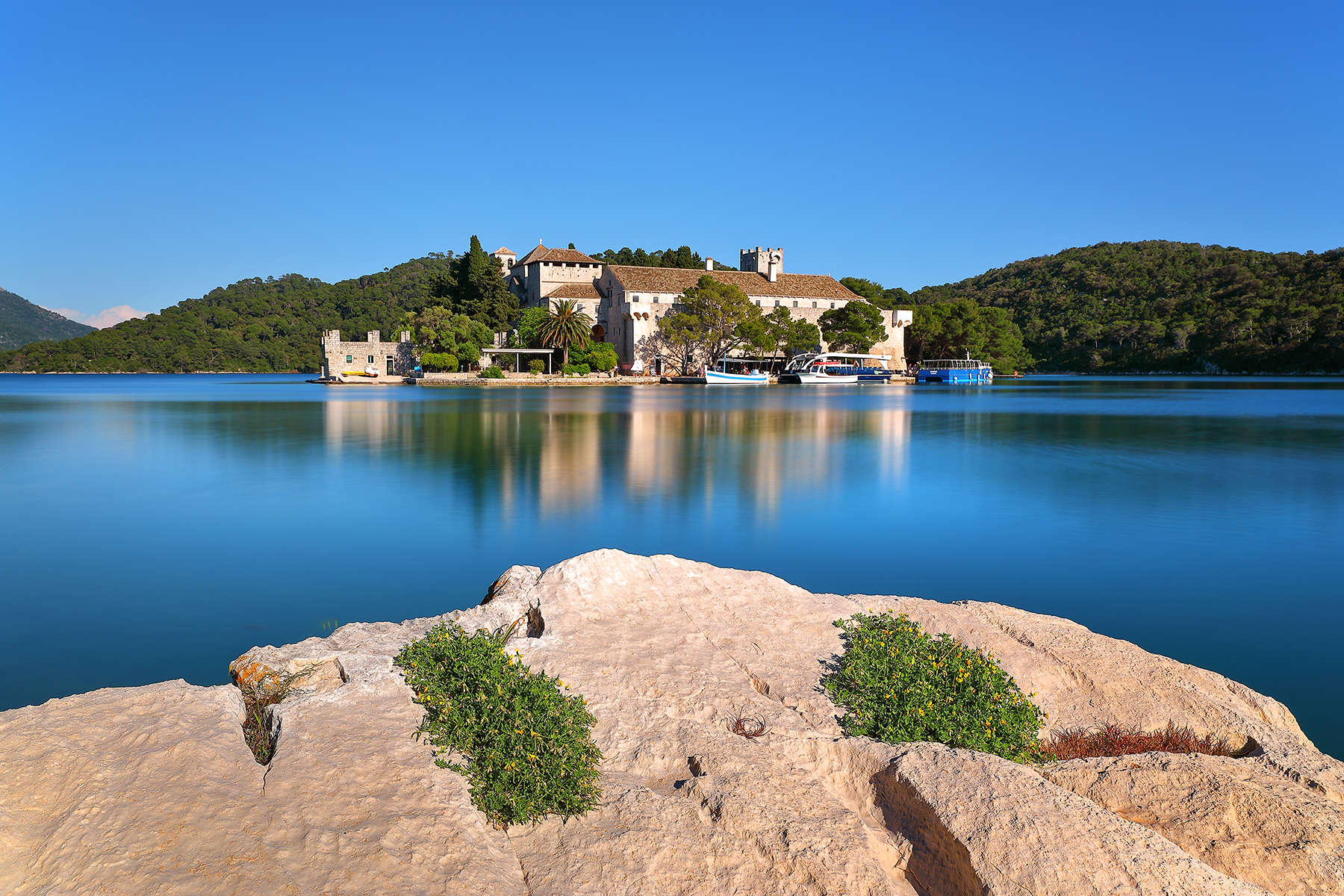
The northwestern part of the island of Mljet was declared a national park on 11 November 1960, earning it the title of the oldest marine protected area in the Mediterranean. The park is managed by the Public Institution "Mljet National Park". The total area of the park is 5,287 ha, including the sea zone 500 m from the coast, islets and cliffs. The reasons for declaring the Mljet National Park were based on the natural phenomenon of the Mljet lakes (Veliko and Malo jezero), the lush vegetation (Aleppo pine and holm oak forests) and cultural monuments. Within the boundaries of the park, on the northern slopes, there is also the Velika dolina forest vegetation reserve, which covers 15 ha. The site is characterized by exceptionally well-preserved remains of the original Mediterranean rainforest, which consisted of holm oak and black ash communities.
With the accession of the Republic of Croatia to the EU, the Mljet National Park became part of the European ecological network Natura 2000, which recognized 15 habitats and 5 species of exceptional importance at the European level. Outside the borders of the national park, the Public Institution "Mljet National Park" manages another 13 areas of the ecological network and the Significant Landscape of Saplunara, which was declared protected in 1965 and covers an area of 54.91 ha.
The Mljet National Park is rich in plant and animal life both on land and in the sea. The rich and interesting animal life of the Park has not yet been fully explored. One of the island's characteristics are the typical karst underground habitats: semi-caves, caves and pits, with endemic invertebrate fauna, some of which were named after Mljet. The birdlife of the Mljet National Park is diverse and interesting, especially during migration. The forests of Mljet are most often made up of Aleppo pine and are among the most beautiful and best-preserved forests of this type in the Mediterranean. Numerous endemic plants can also be found on Mljet: Dubrovnik pine, Jupiter's beard and woody milkweed. The forest, which is especially lush in the area around the Big and Small Lakes, descends to the sea itself, with which it forms a perfect harmony. The macchia consists of evergreen, difficult-to-pass low vegetation. In addition to the forest and macchia, there are other habitats such as steep and high coastal cliffs and plants of coastal reefs. The extremely interesting underwater world is rich in life forms, especially endemic ones, among which the jellyfish Aurelia relicta stands out, a species that lives only in the lakes of Mljet. It is also worth mentioning the species of sodden stony coral (Cladocora caespitosa), which spreads over an area of 650 m² in the Big Lake. This impressive coral reef is the largest of its kind in the world, and is also endemic to the Mediterranean Sea.
The main activity of the Public Institution "Mljet National Park" is the protection, maintenance, preservation, promotion and use of the protected area. The main goal of the Public Institution "Mljet National Park" is to enable the undisturbed development of natural processes in the protected area of the Mljet National Park. In addition to all of the above, one of the key activities is the supervision of the implementation of the conditions and measures for nature protection in accordance with the principles of sustainable use of nature, and participation in the collection of data for the purpose of monitoring the state of nature conservation.
PHOTO GALLERY
DJI_0802.JPG
Mljet Blatina Sobranska F 2.jpg
Mljet Jezera Malo Veliko A 1.jpg
Mljet Kozarica Z 39.jpg
Mljet NP Glavat otok Z 24.jpg
Mljet Saplunara 5.jpg
Panorama Kacan.jpg
Pogled na Otok Sv. Marija.jpg