The Croatian Network of Marine Protected Areas invites you to an online meeting:
Cartilaginous Fishes of the Adriatic: New Findings and Implications for Management and Conservation
Date: Tuesday, June 9th 2026
Time: 10:00–11:30 AM (CET)
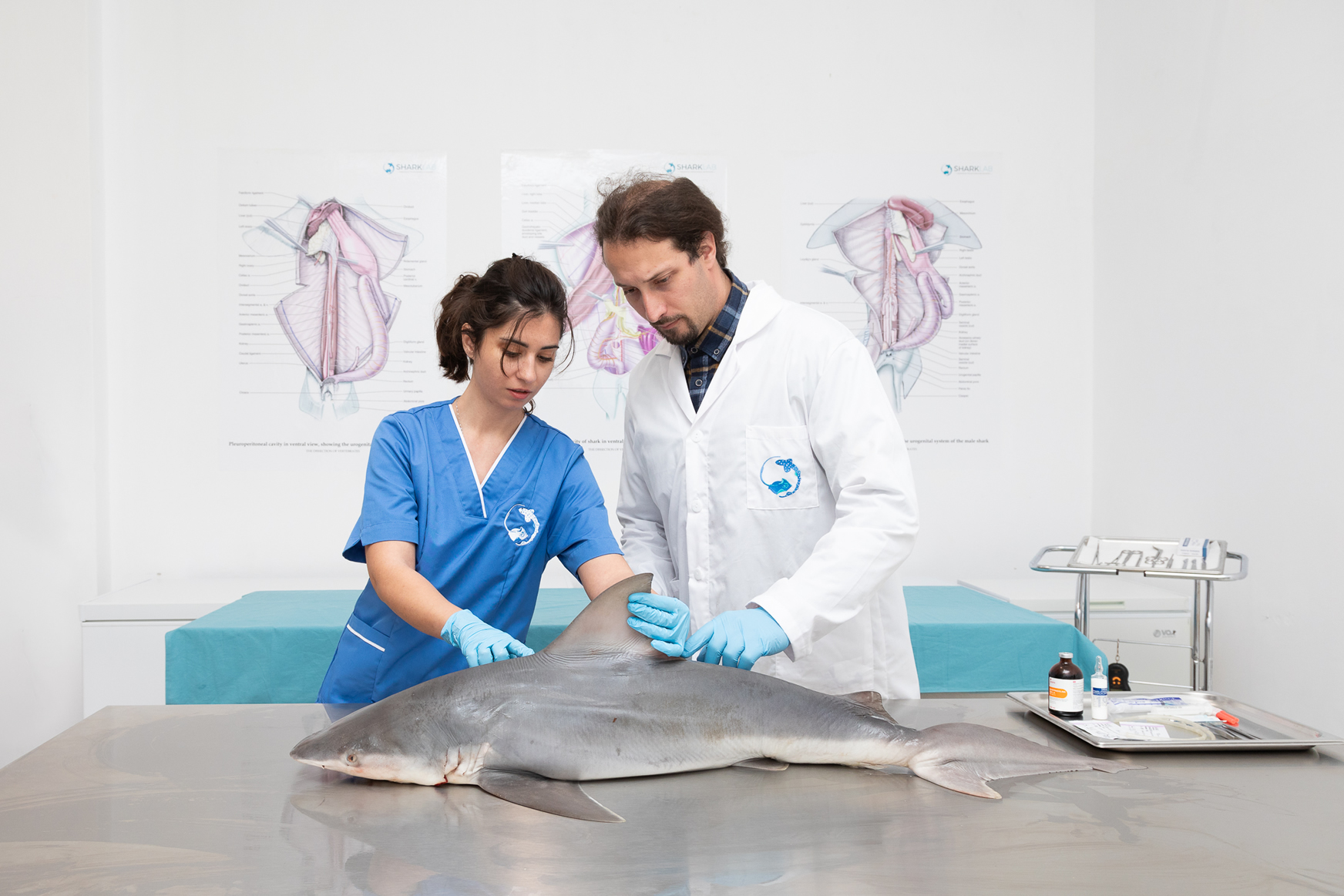
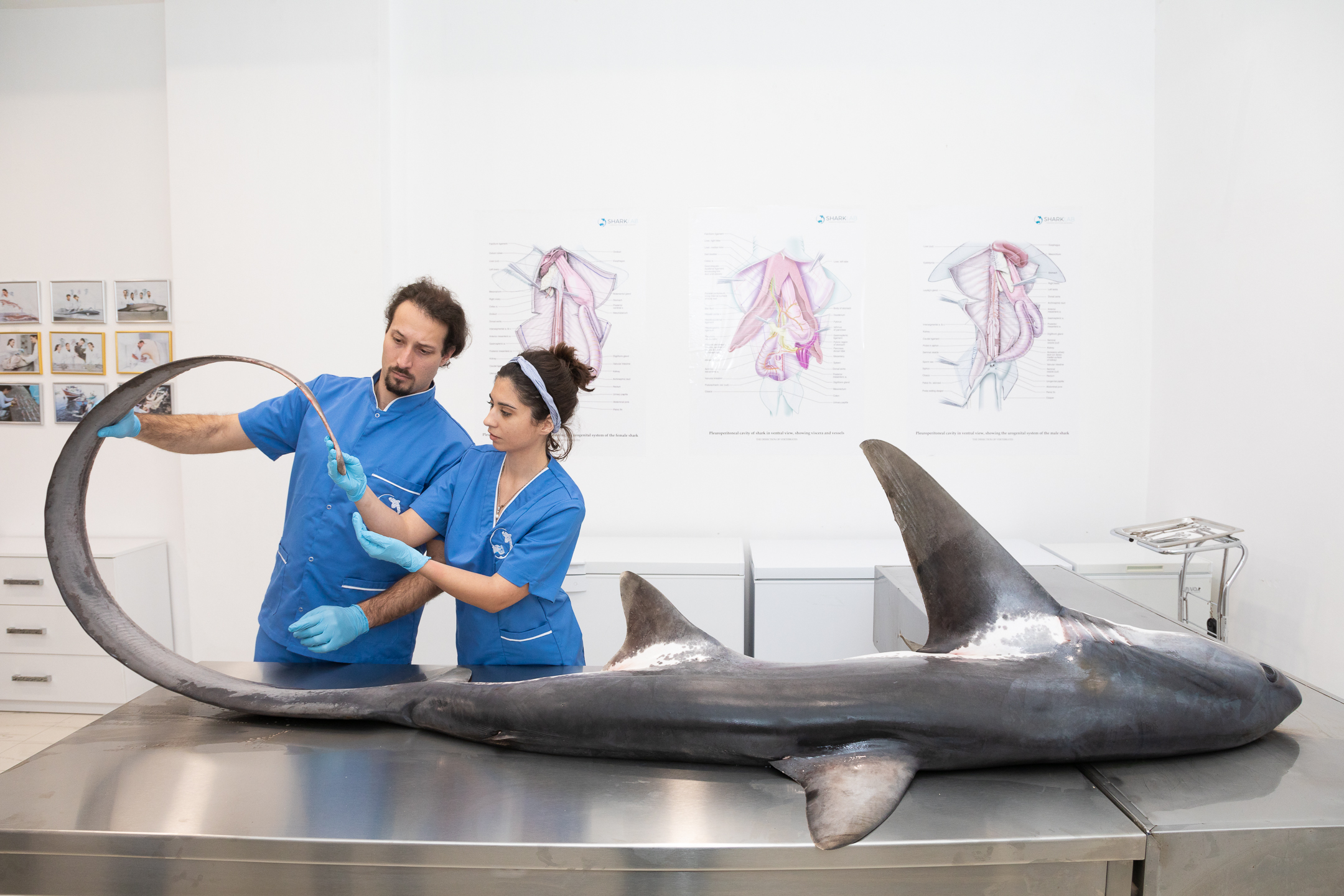
Andrej A. Gajić is an internationally award-winning scientist, deep-sea diver and documentary filmmaker. As a marine biologist holding a PhD in clinical pathology and traumatology, his research focuses on fisheries interactions, post-capture survival, individual recovery, the impacts of pollution and the reproductive biology of cartilaginous fishes. He has led more than 20 regional and international research and conservation projects across the Adriatic, Asia, and the Caribbean. He is the author and co-author of more than 80 scientific publications and three books. As a lead scientist, he has worked with National Geographic (where he serves on the advisory board), Discovery Channel and The Explorers Club. In recognition of his contributions to the research and conservation of Adriatic sharks and rays, he was appointed an ambassador of the UNEP/MAP Barcelona Convention. He currently supervises academic theses at all three study cycles at the University of Copenhagen, Ghent University, the University of Colombo, and several other institutions. His work and research have been featured in more than 3,000 international media outlets, including National Geographic, Nat Geo WILD, Discovery Channel, Warner Bros., BBC, CNN, and Forbes. He is the founder and CEO of the Sharklab ADRIA Center, headquartered in Vlorë, Albania.
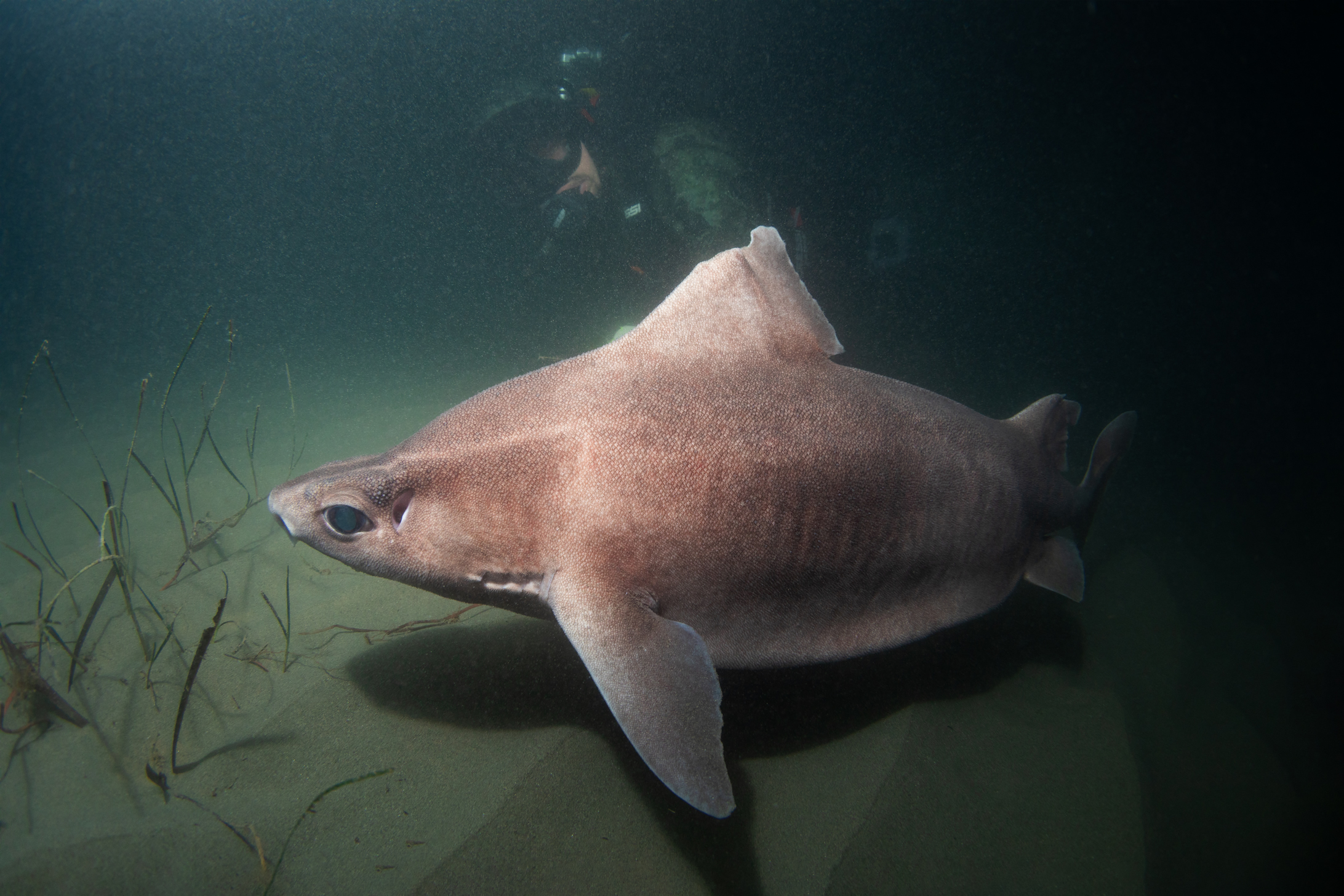
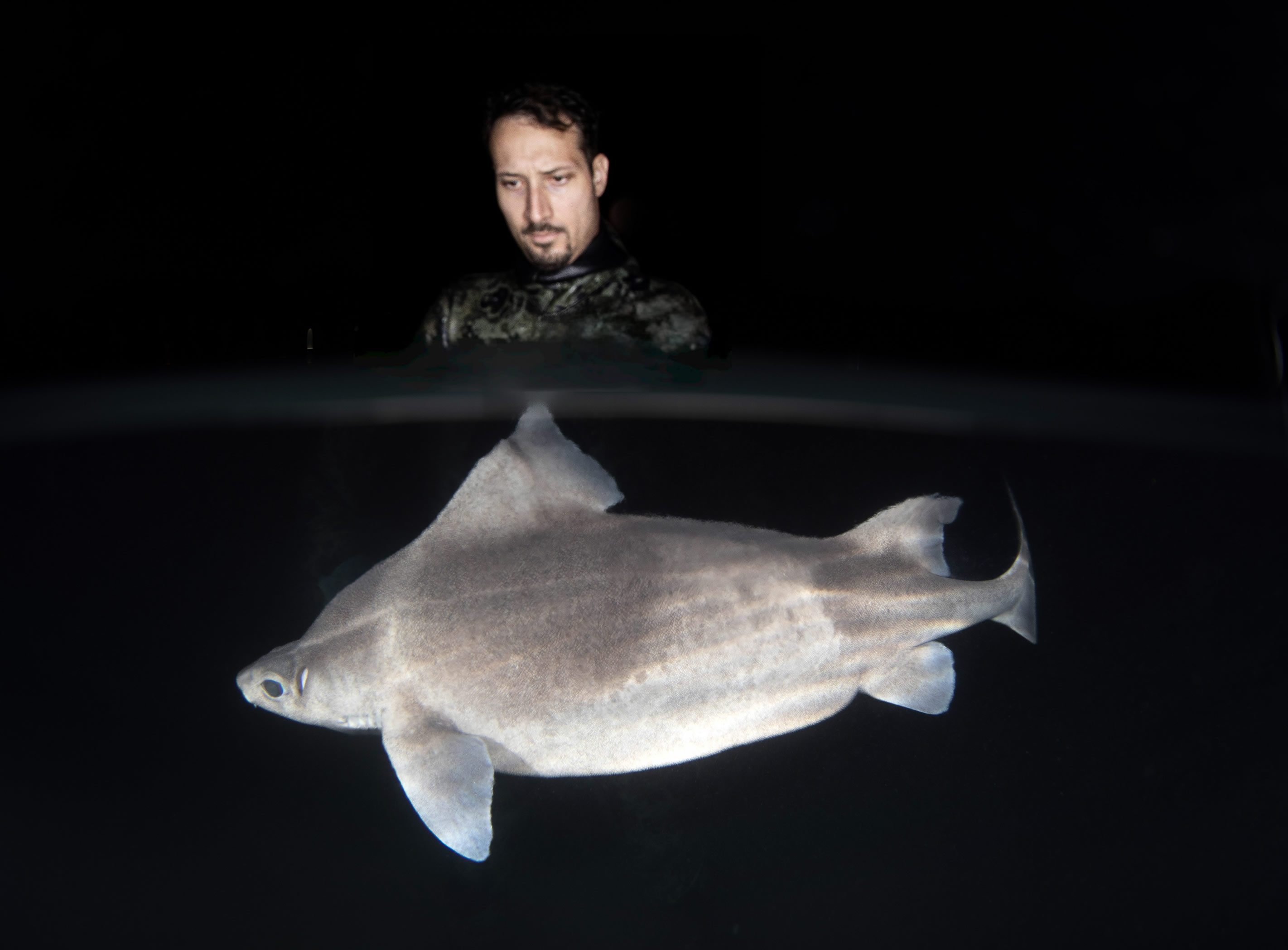
The lecture will present the latest findings on sharks, rays, and chimaeras of the Adriatic Sea, with a particular focus on rare and threatened species, critical knowledge gaps, frequently misinterpreted data, and the challenges of their effective conservation. Through examples of long-term field monitoring, advanced research on fisheries-induced injuries, post-capture survival assessments, reproductive biology studies, collaboration with fishing communities, and recent records of species not documented in the Adriatic for decades, the presentation will demonstrate how integrated and interdisciplinary approaches can significantly improve our understanding of the true status of populations, identify priority habitats, and support the development of more effective conservation measures. Special emphasis will be placed on the practical implications for the long-term in situ conservation of cartilaginous fishes, the improvement of monitoring programs, and the strengthening of the role of marine protected areas in safeguarding these ecologically important yet still insufficiently studied groups of organisms.
All interested in the online meeting can register via the following link: https://us06web.zoom.us/meeting/register/-CaOQJWmSLiEem7qcpyCLw#/registration