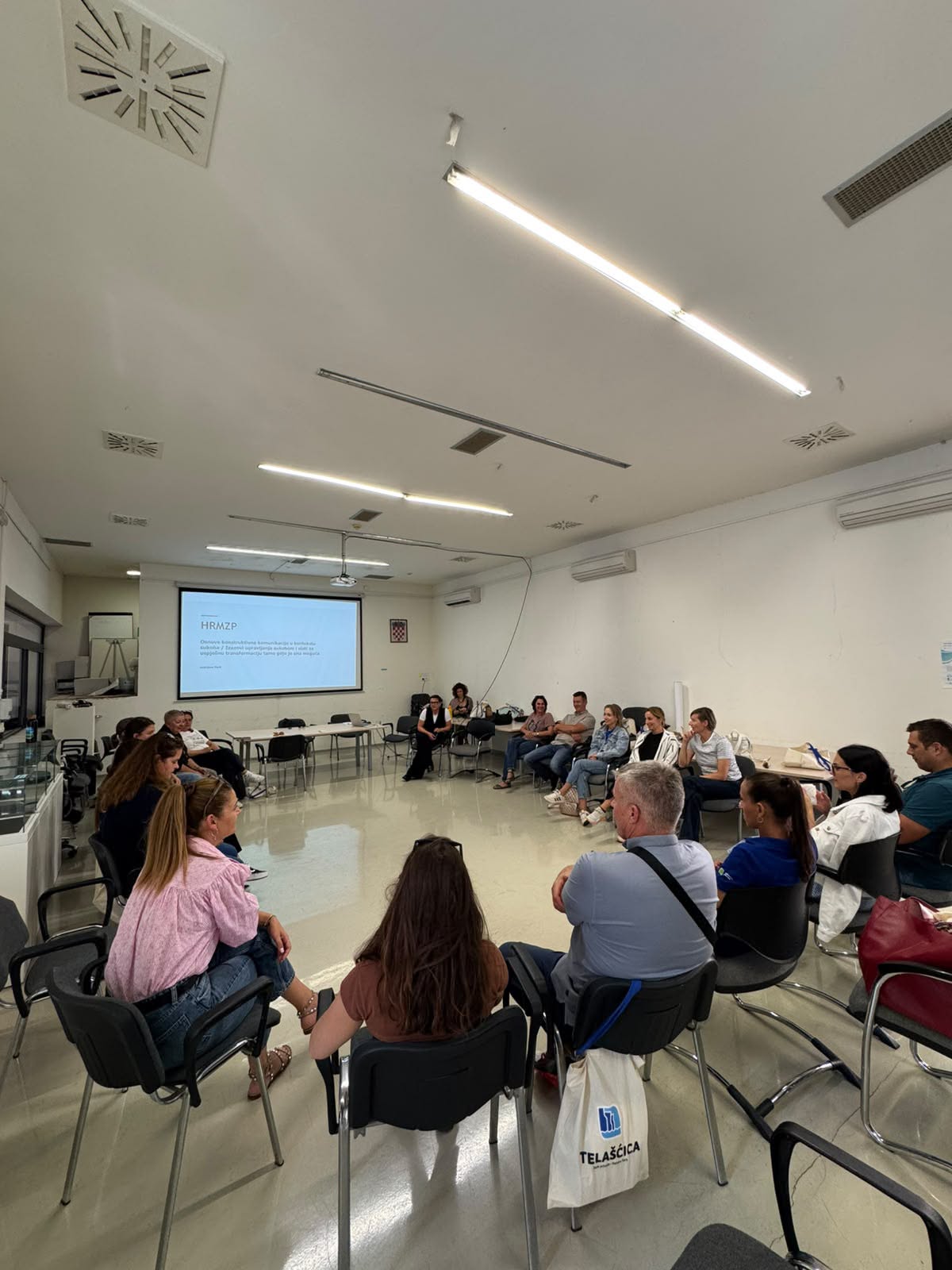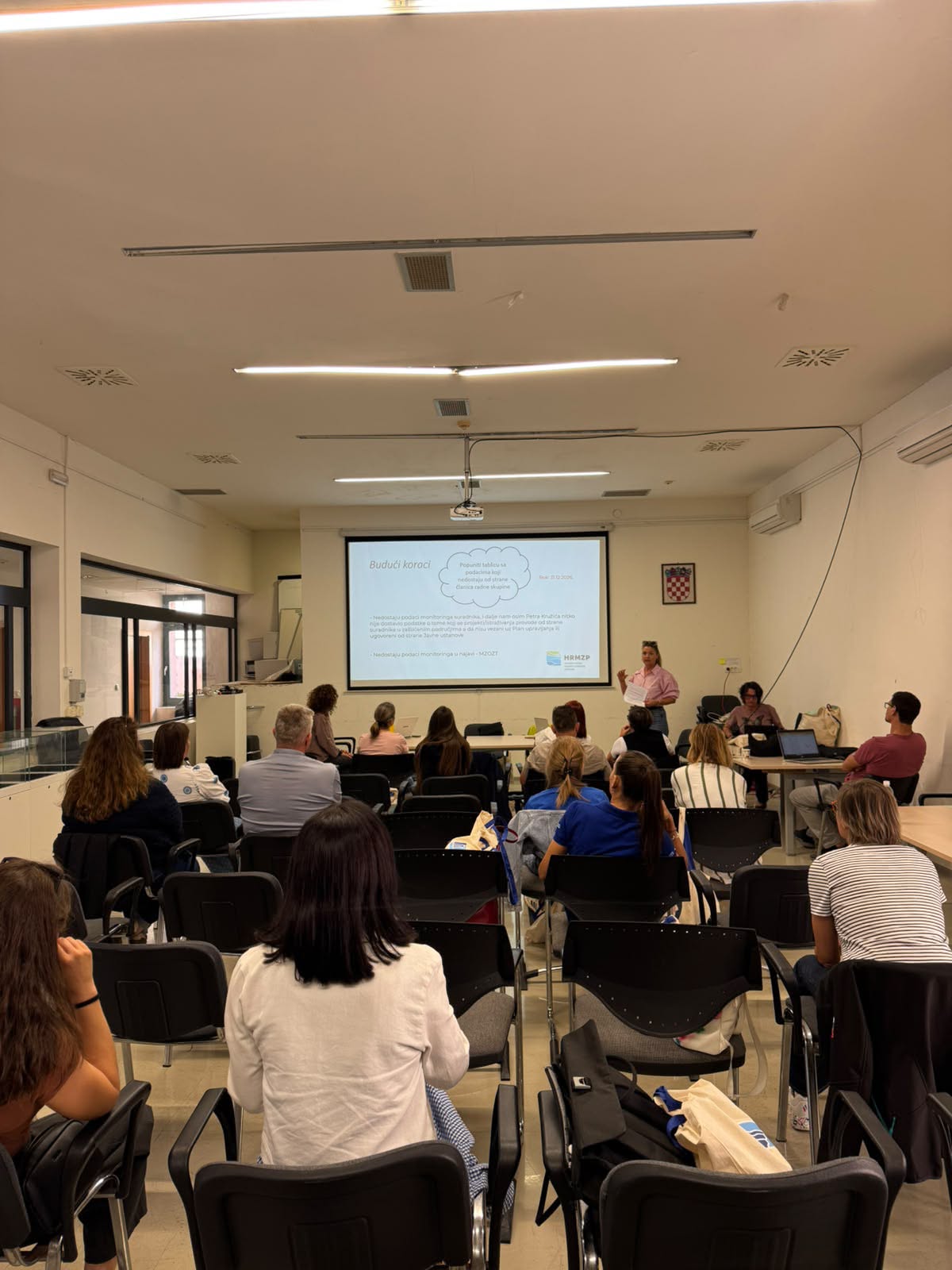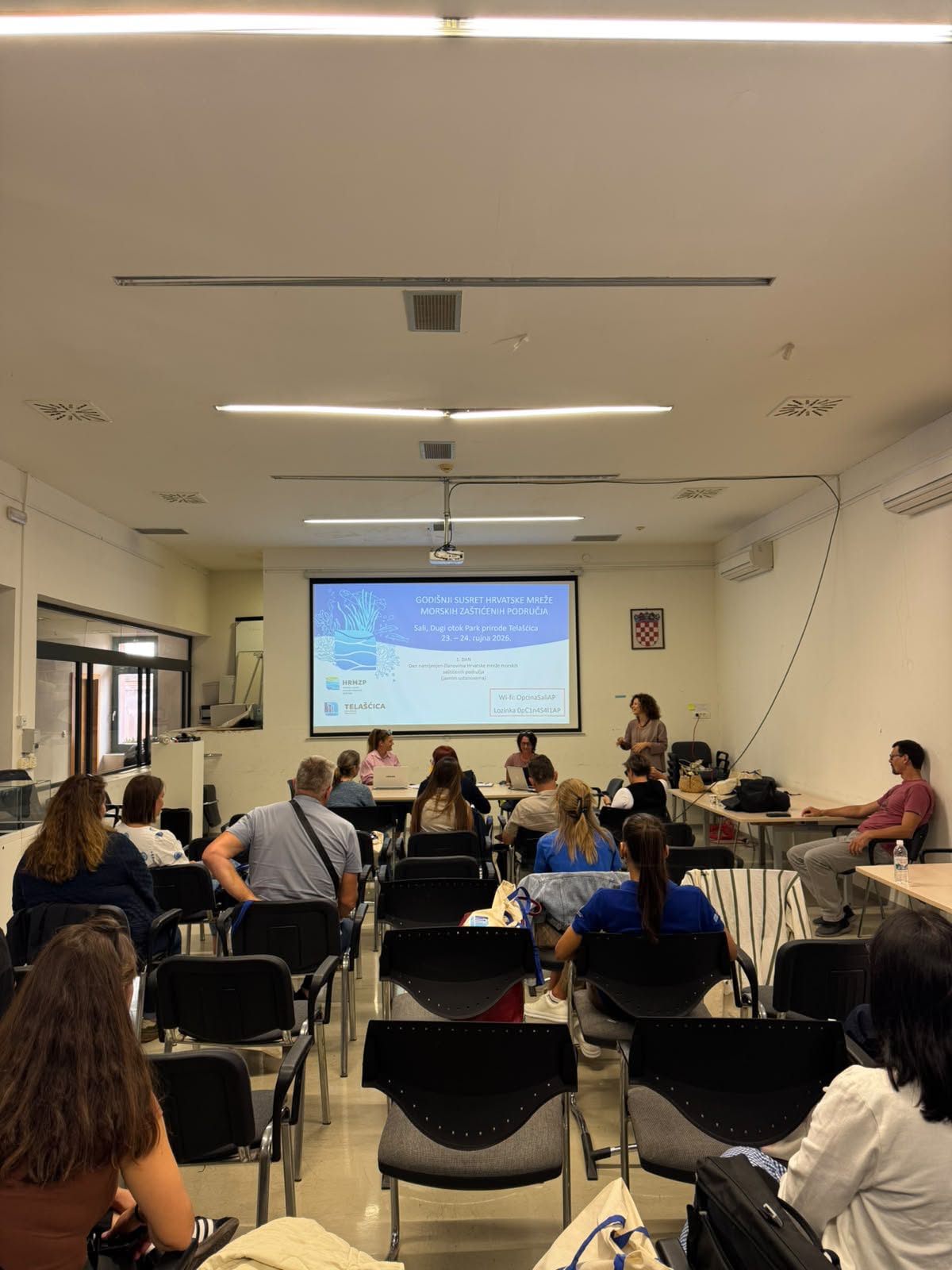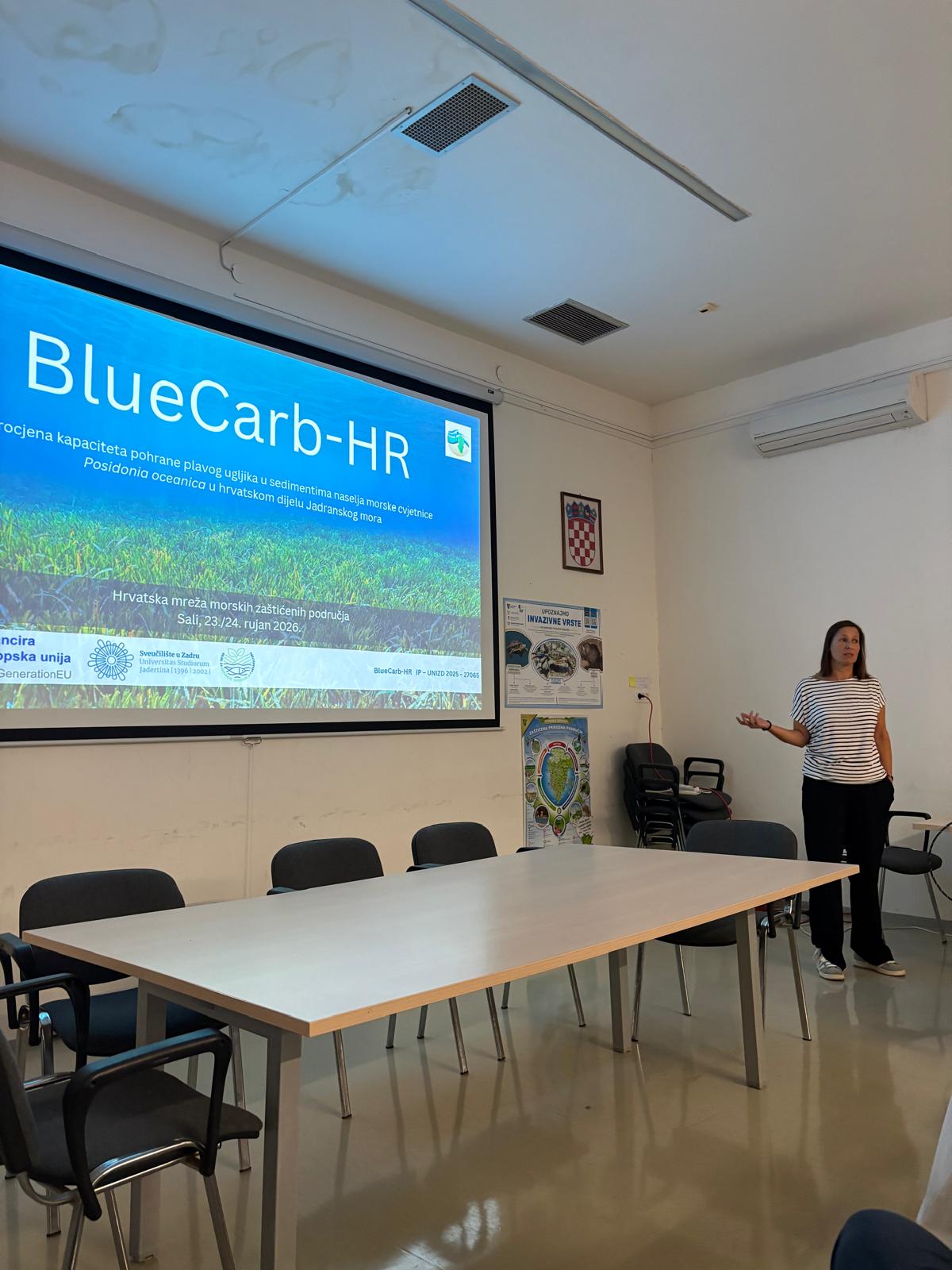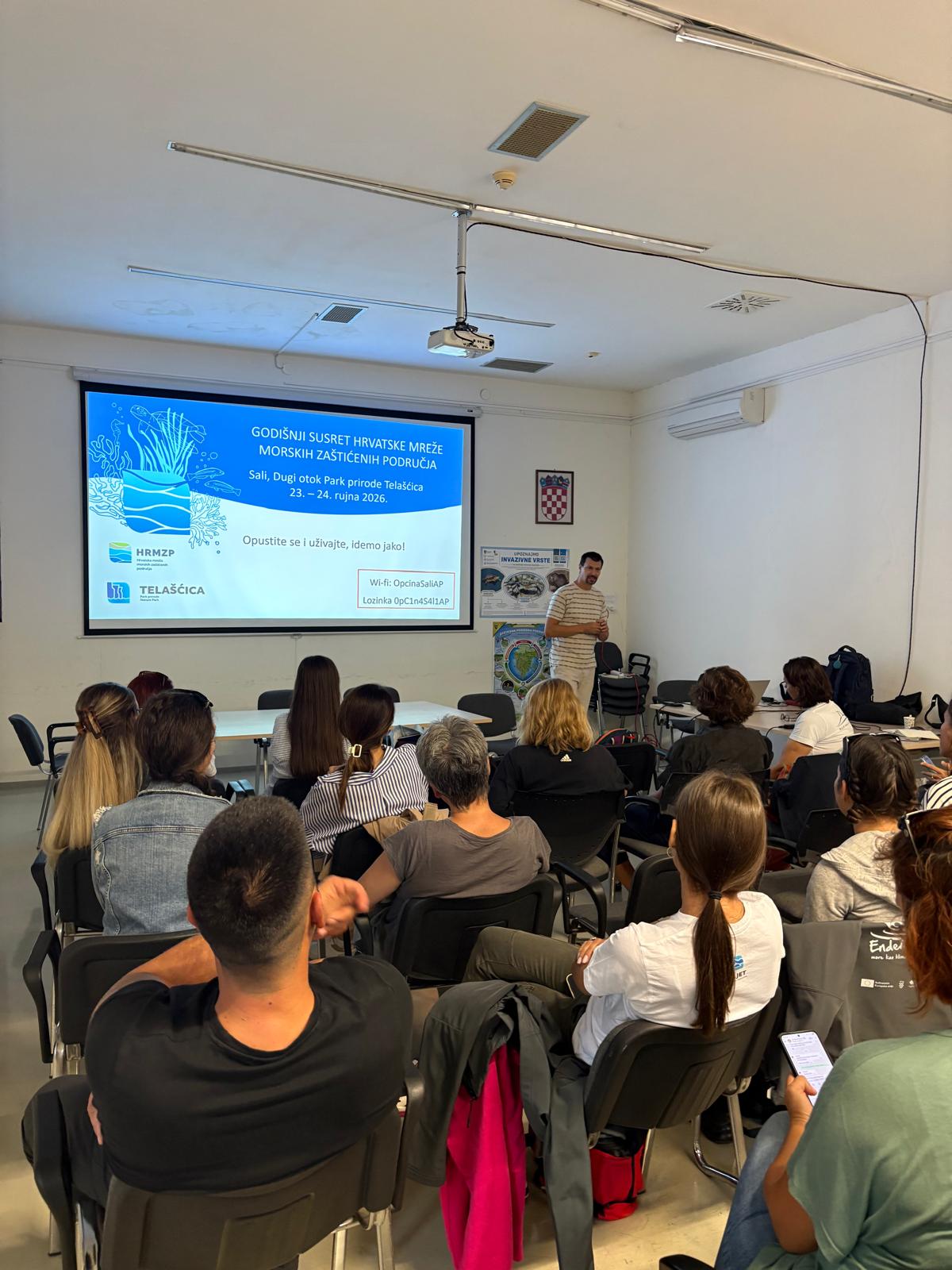
Effective management of marine protected areas and the long-term conservation of Adriatic biodiversity require continuous cooperation, knowledge sharing and coordinated action among institutions. With the aim of improving management and jointly addressing a broad range of contemporary challenges – from monitoring the status of species and habitats and addressing the pressures of nautical tourism to strengthening the legislative framework – this year’s meeting of the Croatian Network of Marine Protected Areas (HRMZP) was held in Sali on Dugi Otok. Hosted by the Telašćica Nature Park Public Institution on 23 and 24 September 2026, the important professional gathering brought together more than 40 experts from public institutions managing marine protected areas, the Ministry of Environmental Protection and Green Transition, partner organisations, as well as colleagues from the Public Enterprise for Coastal Zone Management of Montenegro.
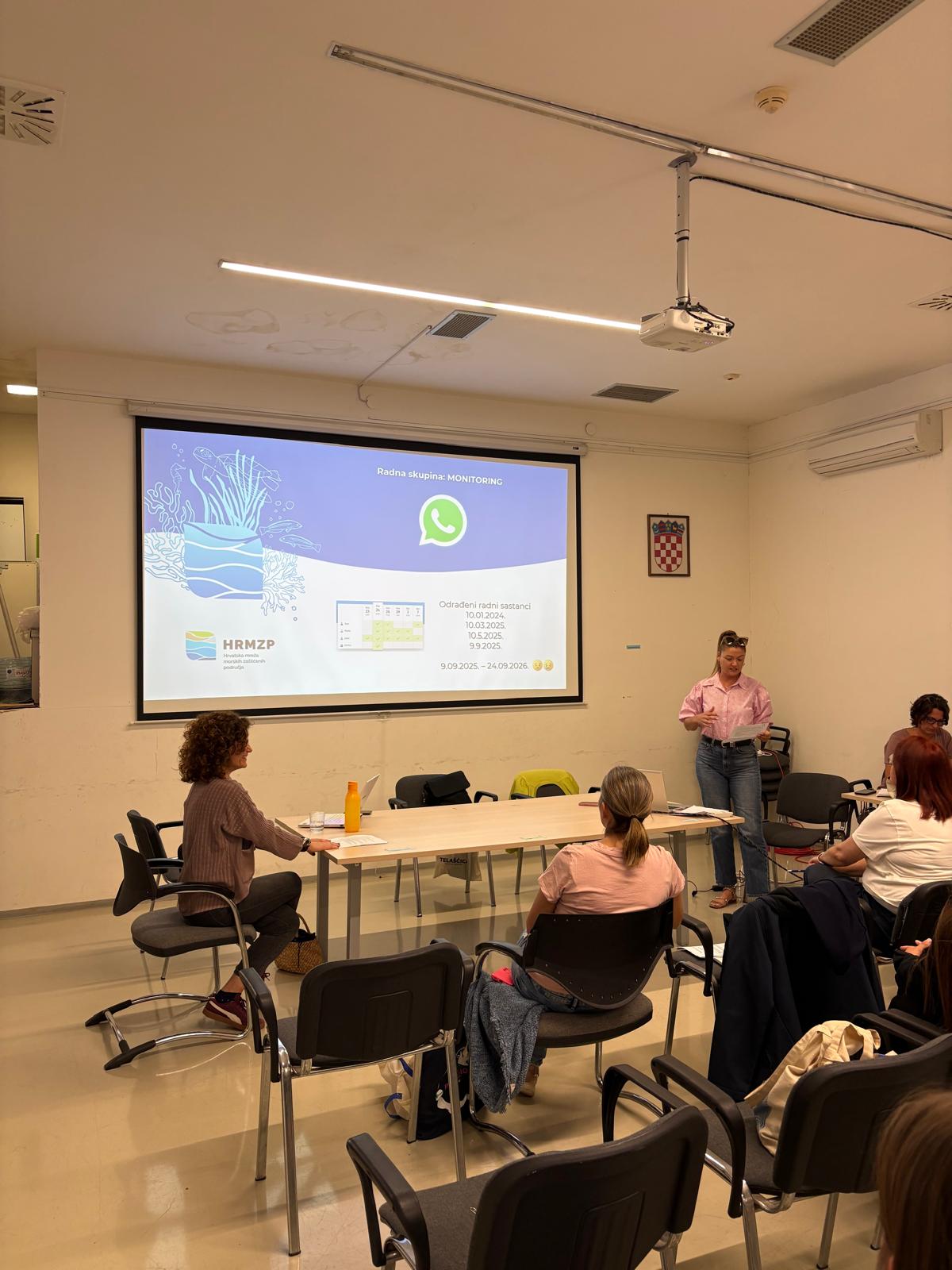
The first day of the meeting focused on an internal evaluation of the Network’s work to date and strategic planning for the coming period. It was concluded that the Network has established itself as a recognised platform that connects stakeholders in nature conservation both horizontally and vertically, while actively contributing to advocacy and the development of legislative frameworks. It was agreed that future work would focus on strengthening the Network through joint projects, continuous knowledge exchange and the introduction of a rotating annual coordination model among the participating institutions, ensuring its long-term dynamism and sustainability.
To make the efforts of public institutions as concrete and coordinated as possible, participants identified three key priority activities on which they will focus their capacities in the coming period:
Coastal and underwater clean-up actions, accompanied by marine litter monitoring and the removal of abandoned fishing gear.
Monitoring the pressures of nautical tourism and intensifying efforts to establish ecological mooring sites.
Significantly strengthening surveillance and enforcement within marine protected areas.
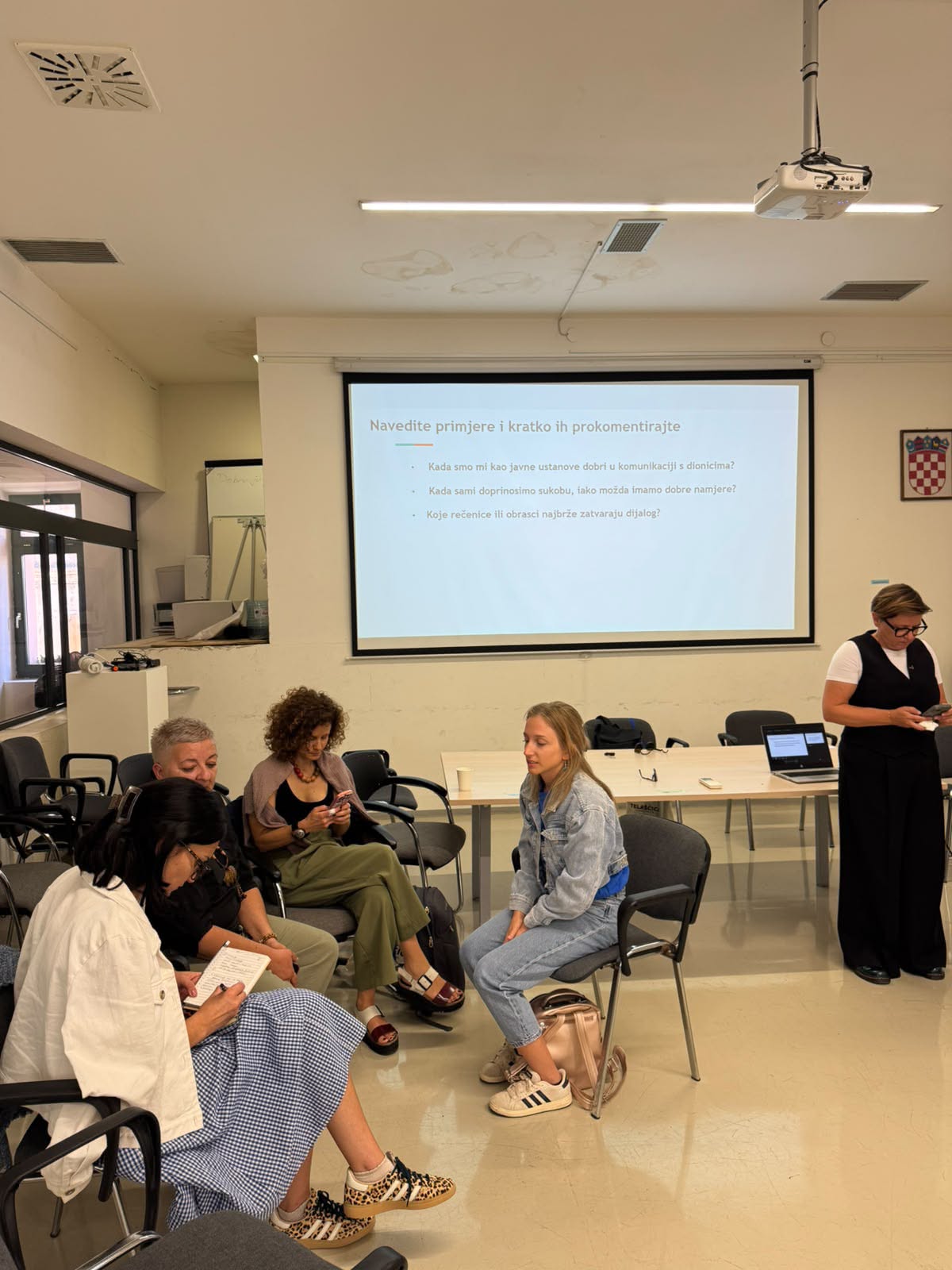
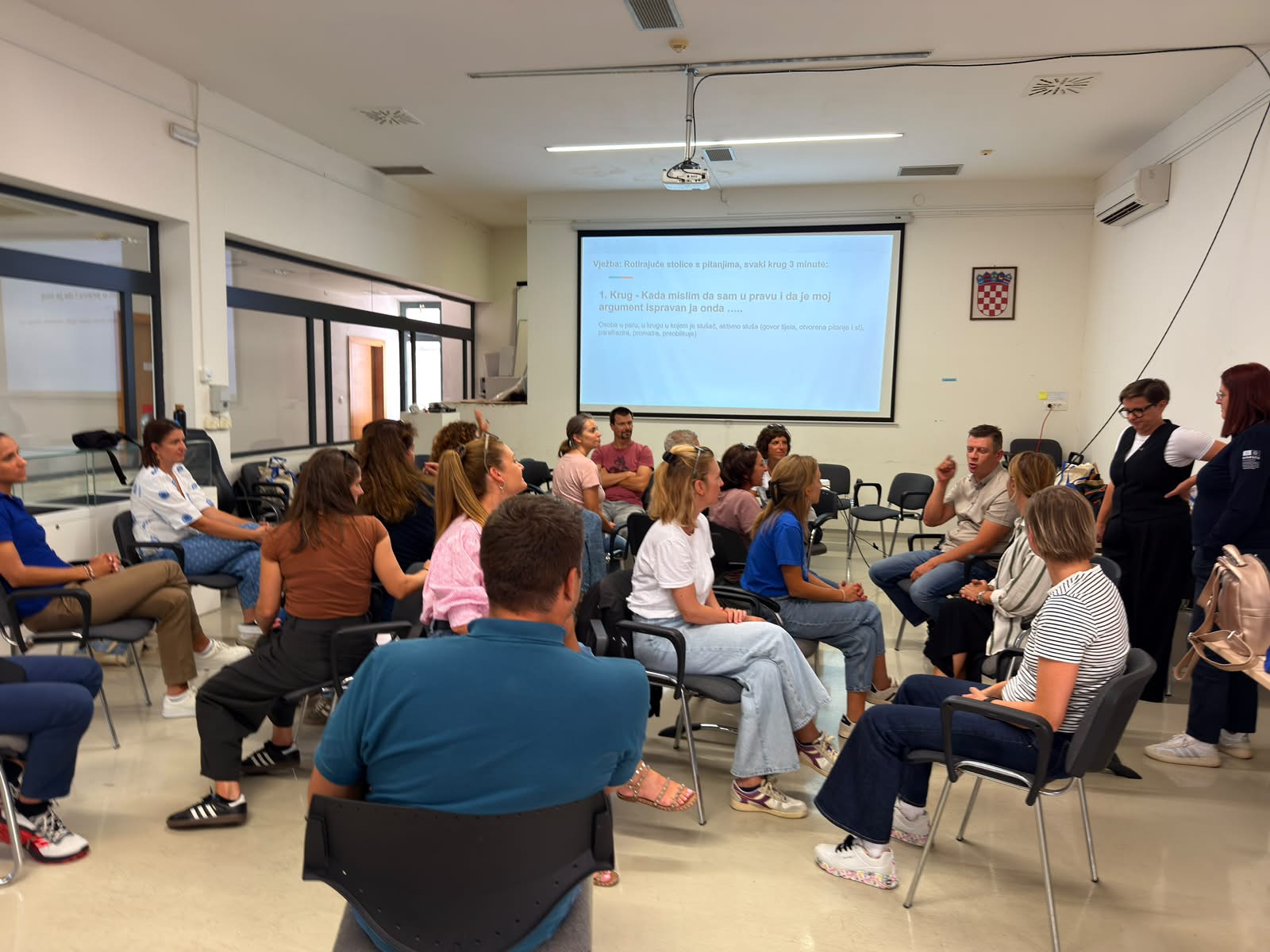
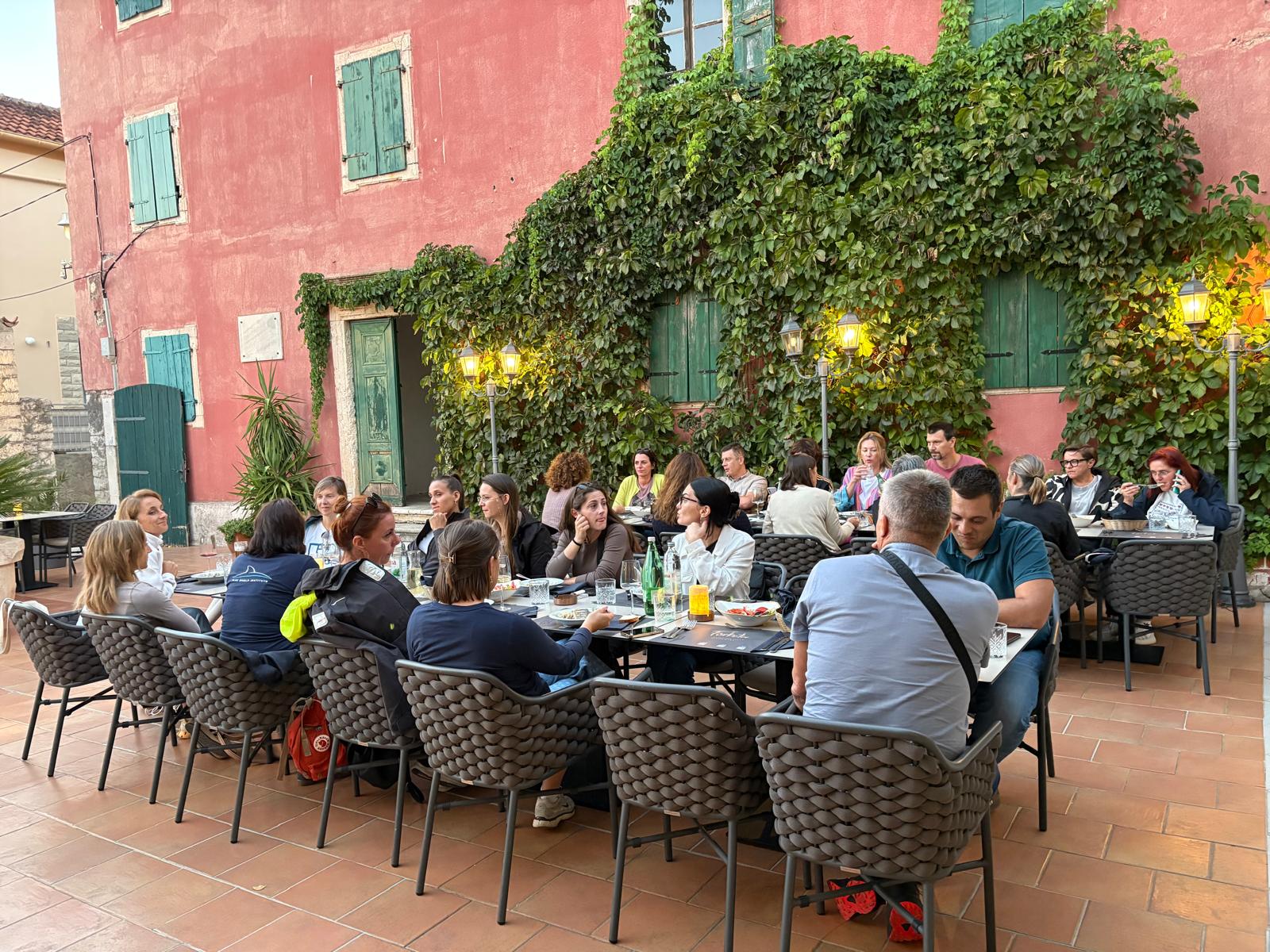
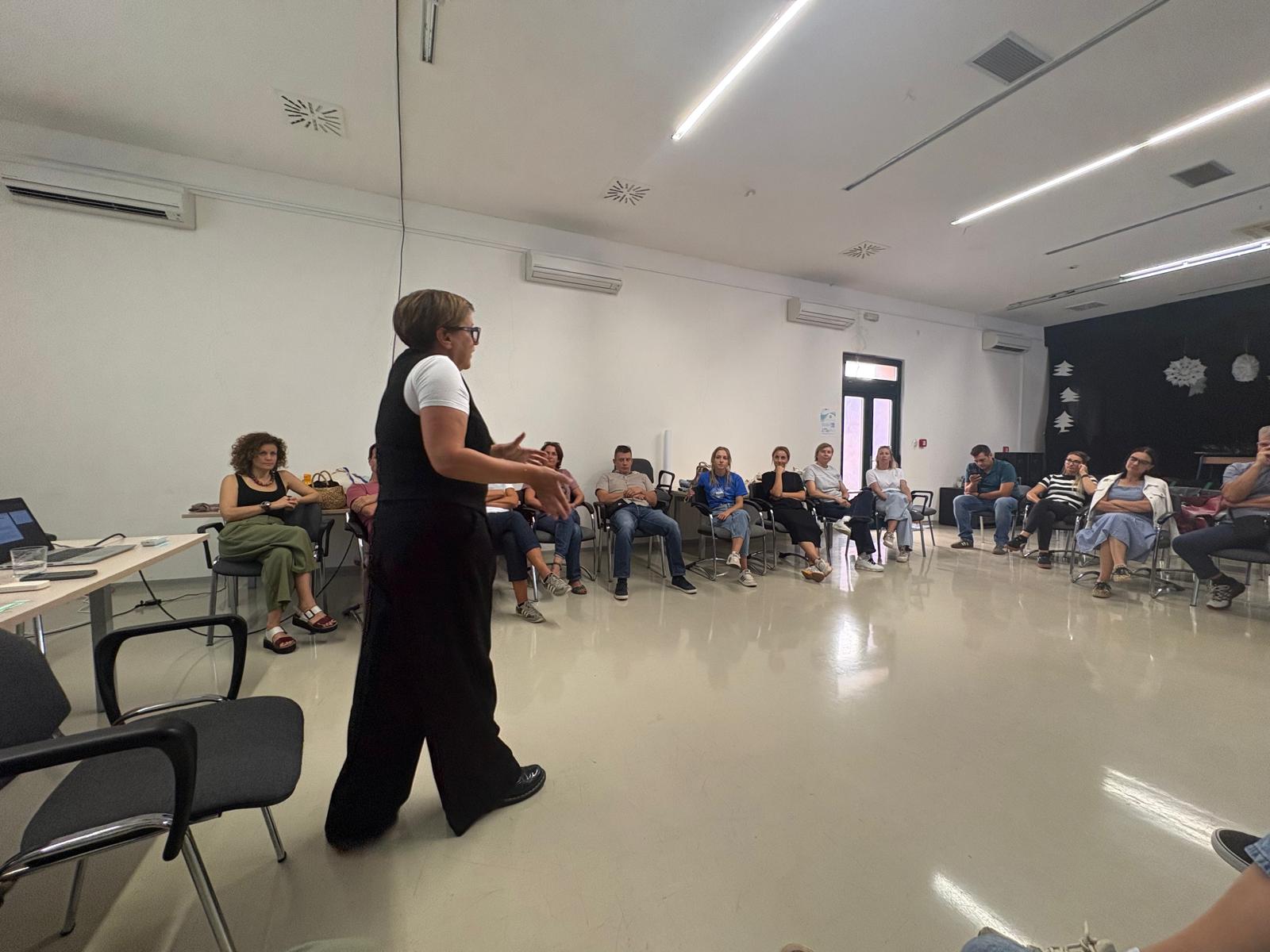
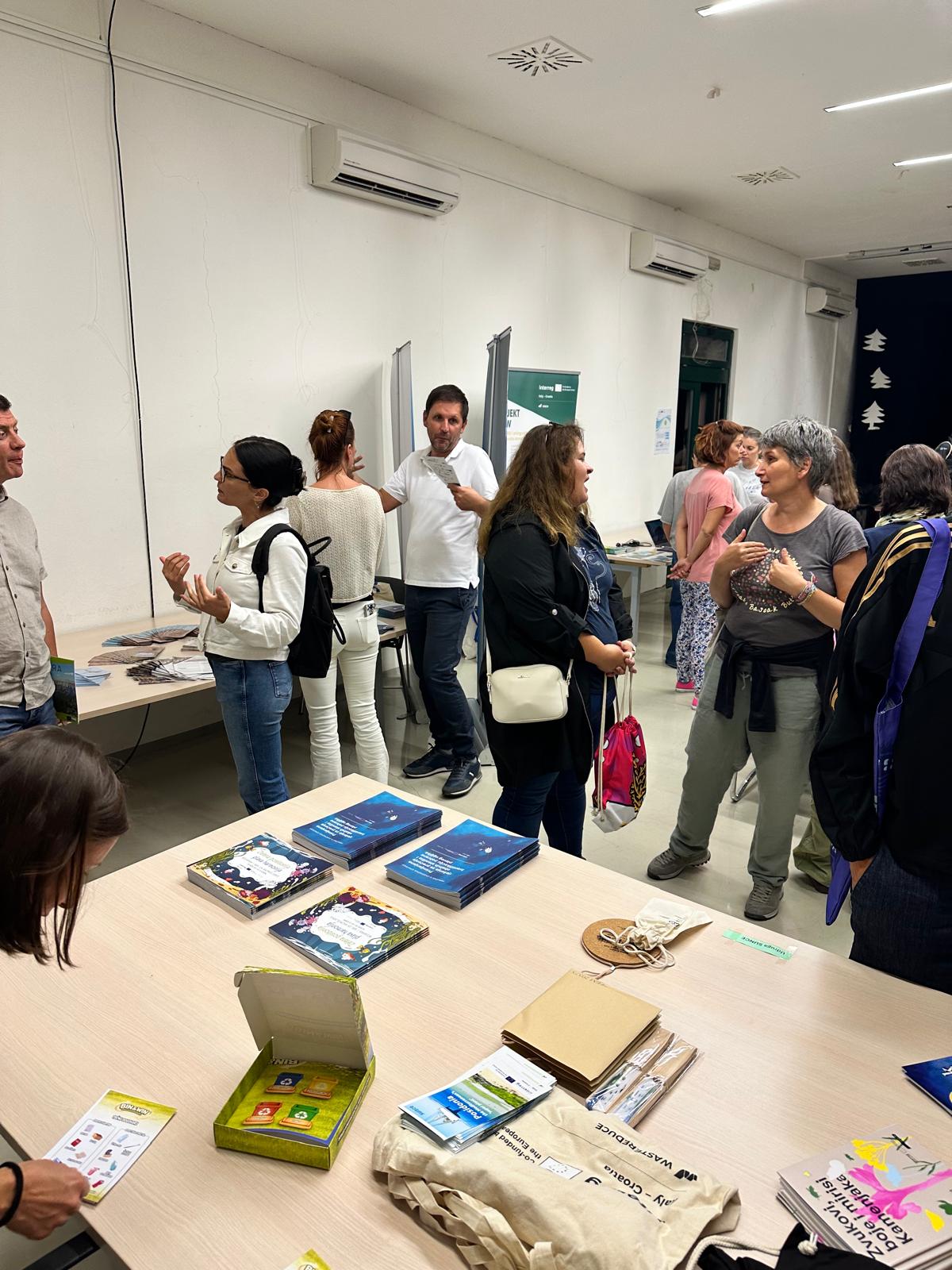
With the aim of strengthening the capacities of institutions in their everyday work with local communities and other stakeholders, an interactive workshop was held on the fundamentals of constructive communication and tools for conflict transformation and management. The workshop was led by Andrijana Parić, Director of the Telašćica Nature Park Public Institution. A particularly dynamic part of the programme was the evening “Knowledge Exchange Fair”, an informal gathering where public institutions, scientific organisations and non-governmental organisations presented their current projects, initiatives and examples of good practice, with the aim of building networks and strengthening future cooperation.
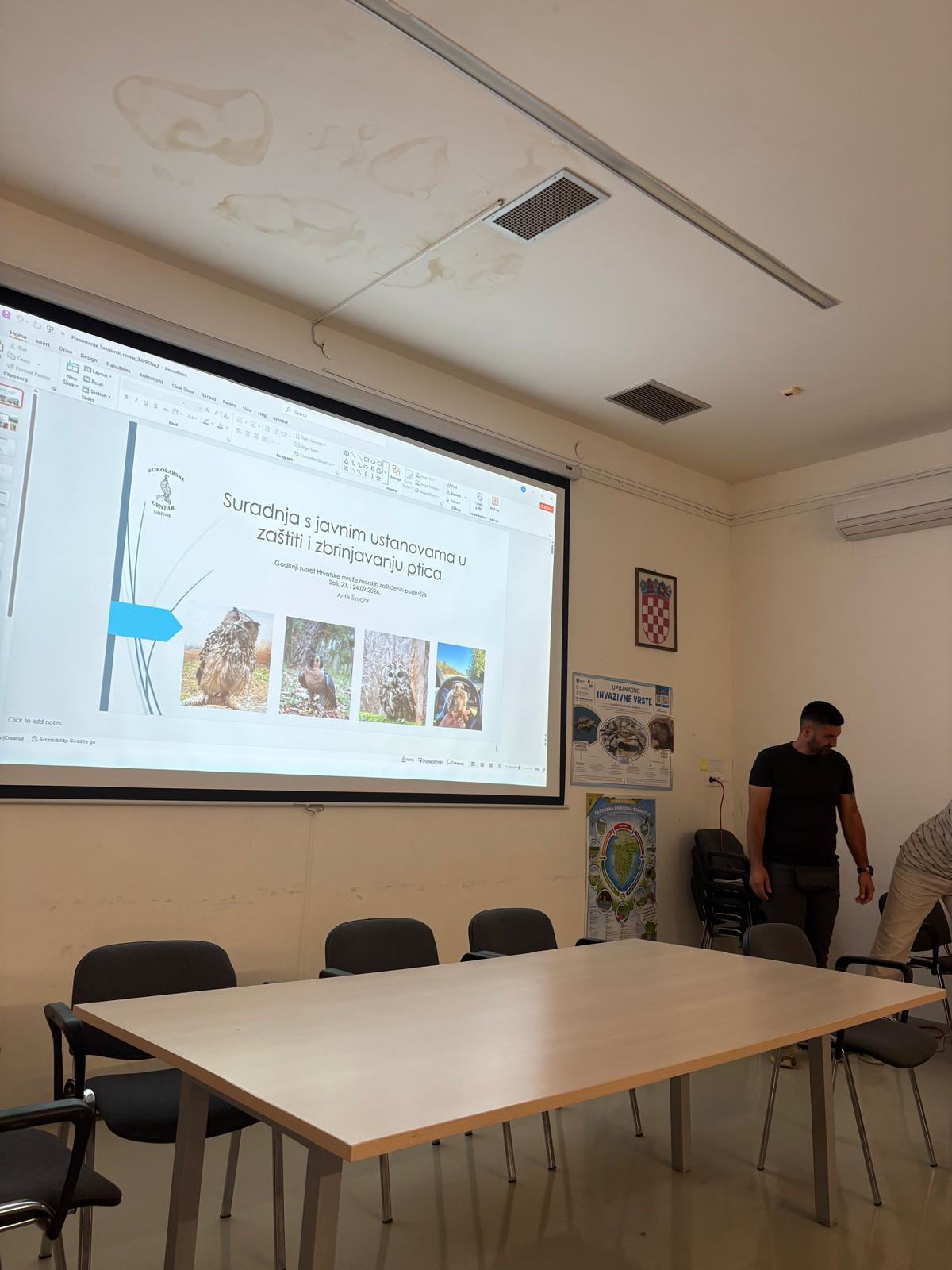
The second day of the meeting featured a series of expert presentations on methods for monitoring the marine environment and conserving biodiversity, giving participants the opportunity to learn about a range of innovative approaches and ongoing projects. Particular emphasis was placed on the protection and monitoring of sensitive species, including the presentation of a bird sensitivity map related to the development of offshore wind farms. The work of the Dubrava Falconry Centre was also presented, with a focus on opportunities for cooperation with public institutions in the response to and rehabilitation of injured birds.
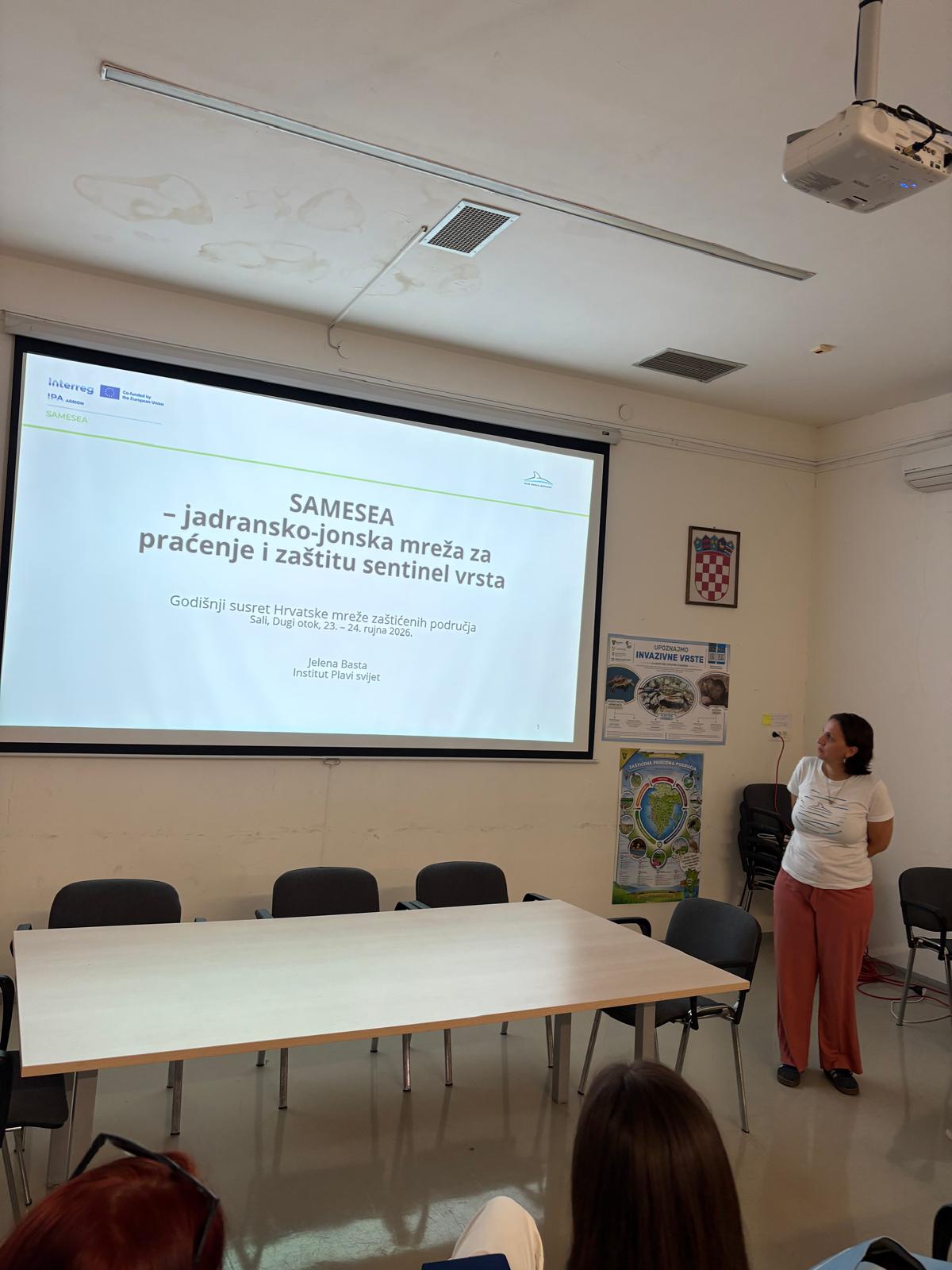
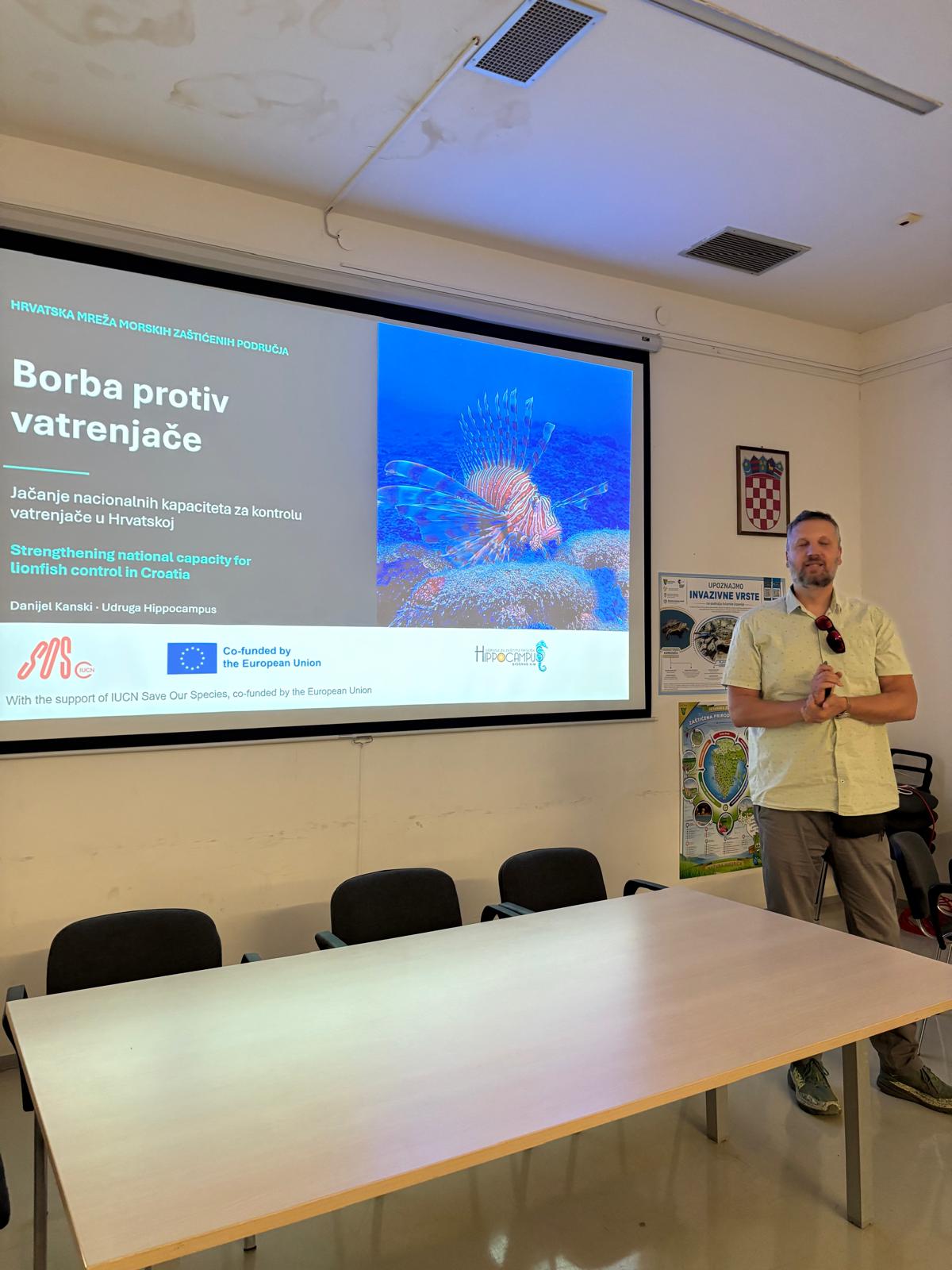
In the context of marine organism conservation, the Adriatic-Ionian SAMESEA network was presented, focusing on the monitoring and protection of key marine species such as the loggerhead sea turtle, bottlenose dolphin and Mediterranean monk seal. At the same time, participants discussed the increasingly pronounced problem of invasive species, with particular attention given to the need to strengthen national capacities for the early detection and control of the invasive lionfish.
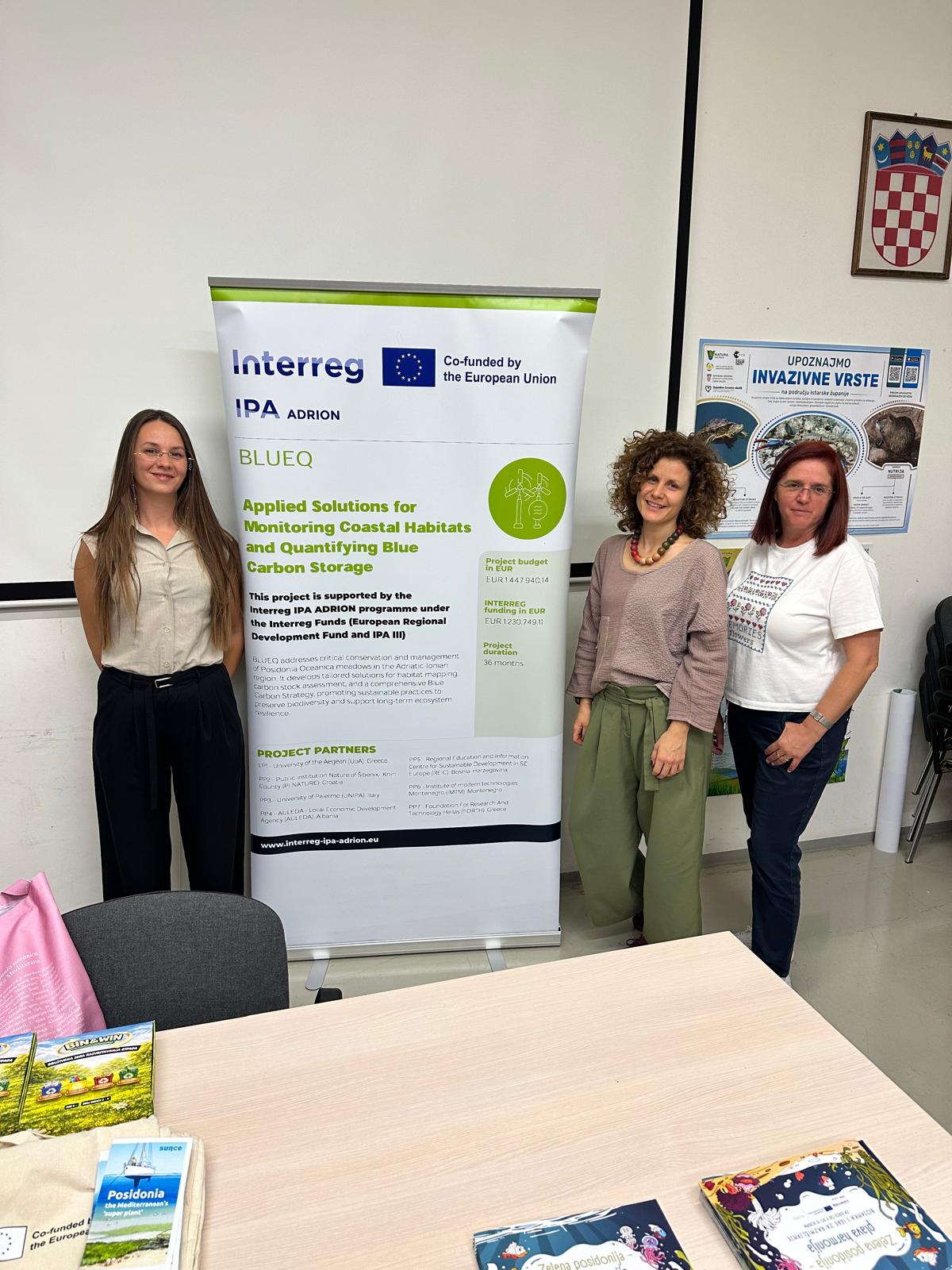
Significant attention was also devoted to the conservation of key marine habitats. Through the BlueCarb-HR project, the concept of “blue carbon” was explored in detail, along with an analysis of the carbon storage capacity of sediments associated with the seagrass Posidonia oceanica. Finally, with the aim of improving protected area management itself, the ADRIWATCH project was presented, focusing on more efficient collection and exchange of surveillance data in coastal and marine areas.
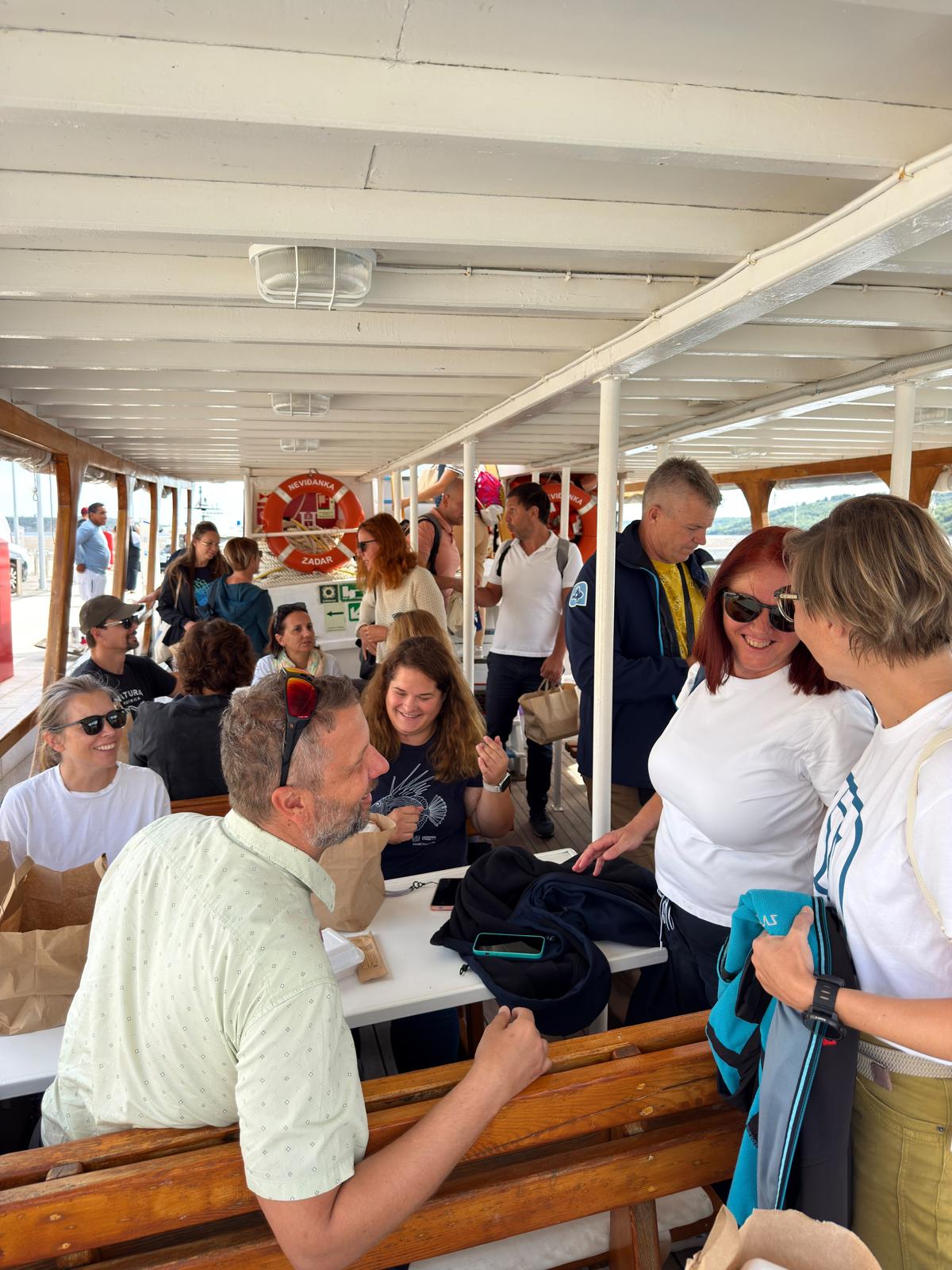
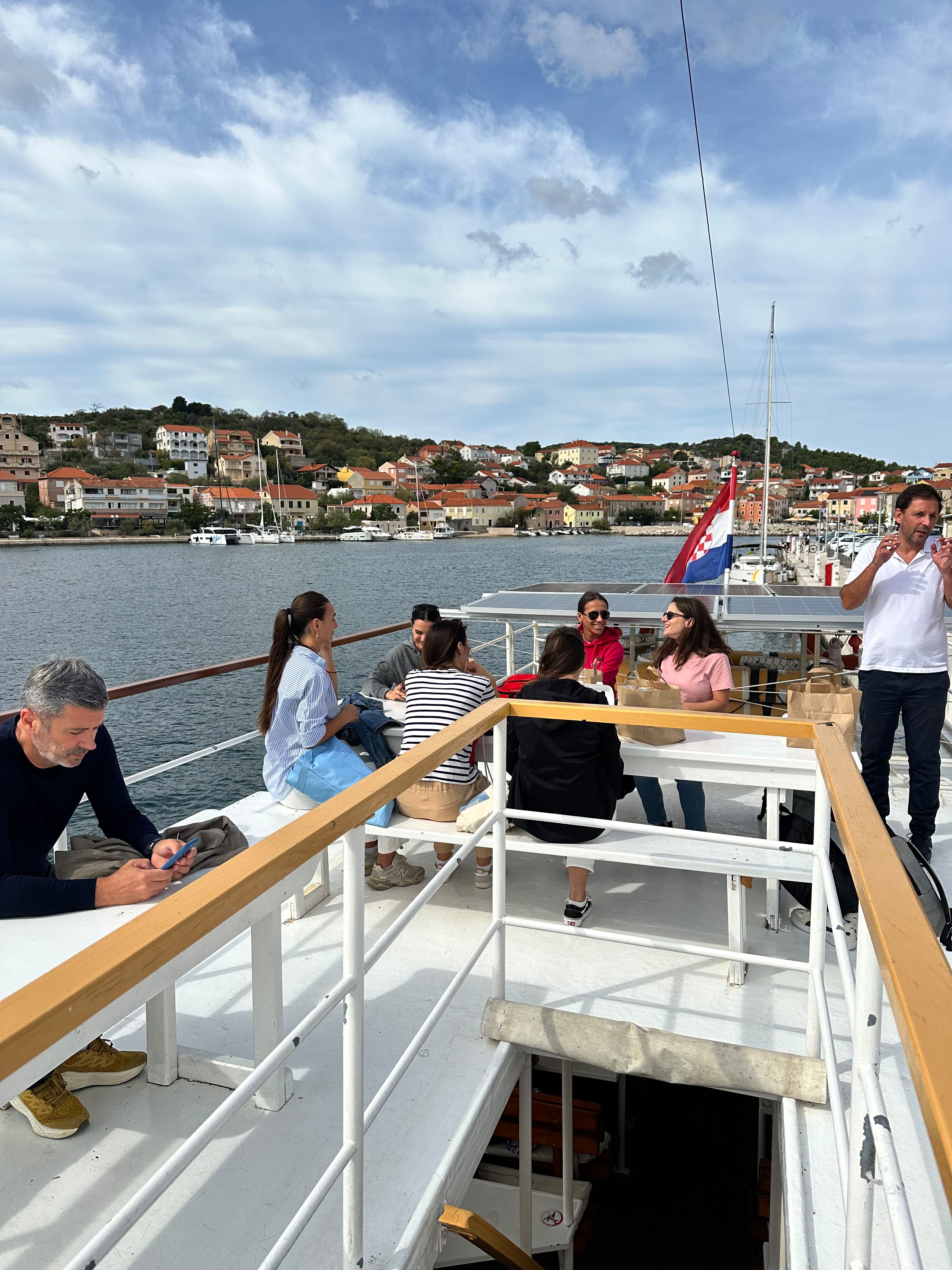
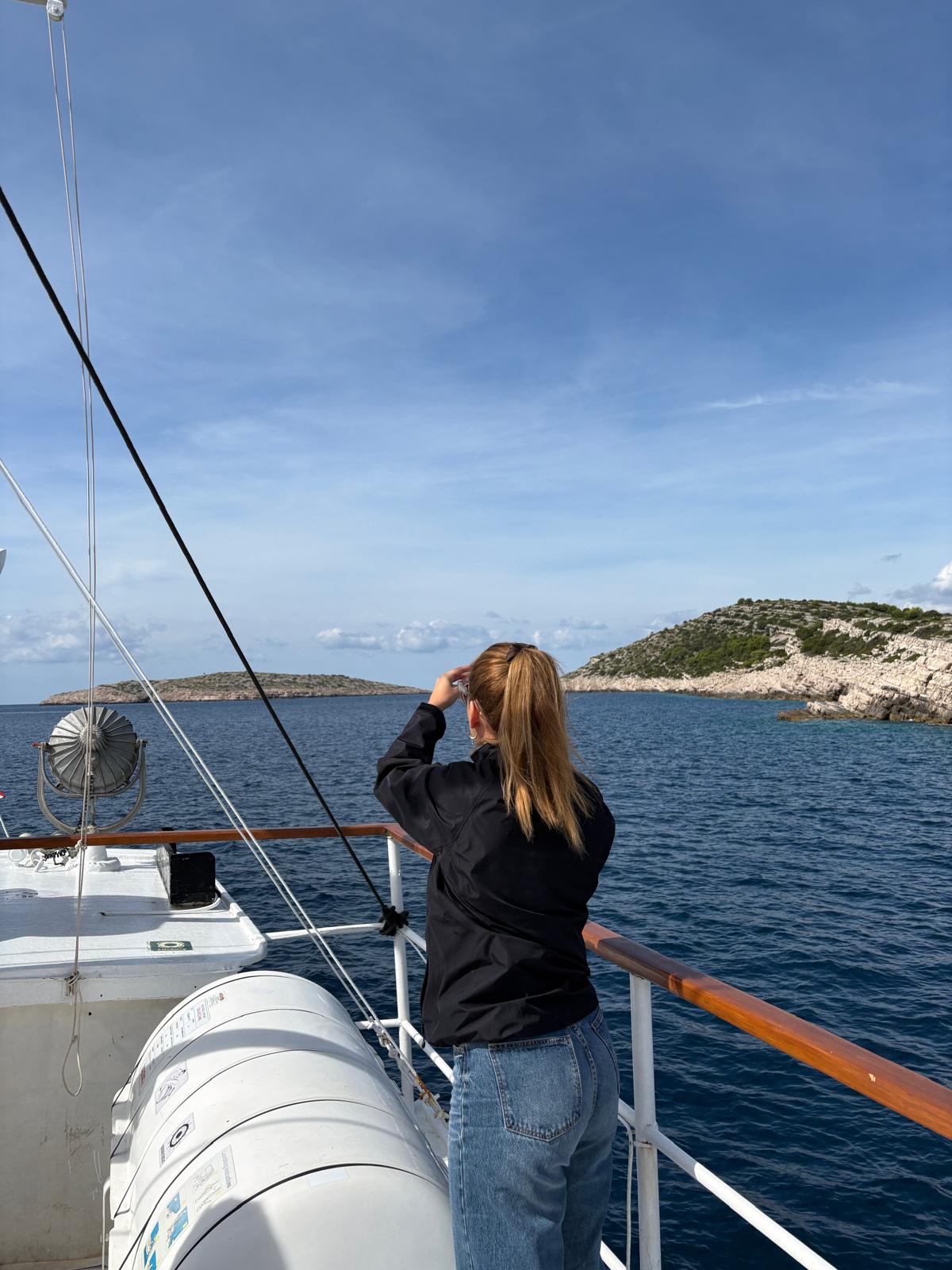
The annual meeting concluded with a professional field visit to Telašćica Nature Park by boat, during which participants had the opportunity to observe first-hand the specific challenges involved in conserving sensitive marine habitats.
The key message of this year’s meeting clearly moved beyond simply identifying problems and towards developing concrete solutions. The Adriatic Sea today requires more than declarative protection, it requires:
- strong and effective on-the-ground surveillance
- clear rules governing nautical tourism,
- continuous action to reduce anthropogenic pressures such as abandoned marine litter.
The Croatian Network of Marine Protected Areas reaffirmed its strength not only as a platform for knowledge exchange, but also as an equal partner and a united voice of the professional community, actively contributing to the development of national legislation. By integrating science, effective management and cooperation with local communities, the Network is taking a proactive role in building a system in which people and the sea can coexist in a sustainable balance.
The conservation of the Adriatic is not the responsibility of any single individual or institution, but a shared responsibility of all institutions and stakeholders. Their coordinated action is the only guarantee of a sustainable future for the Adriatic Sea.