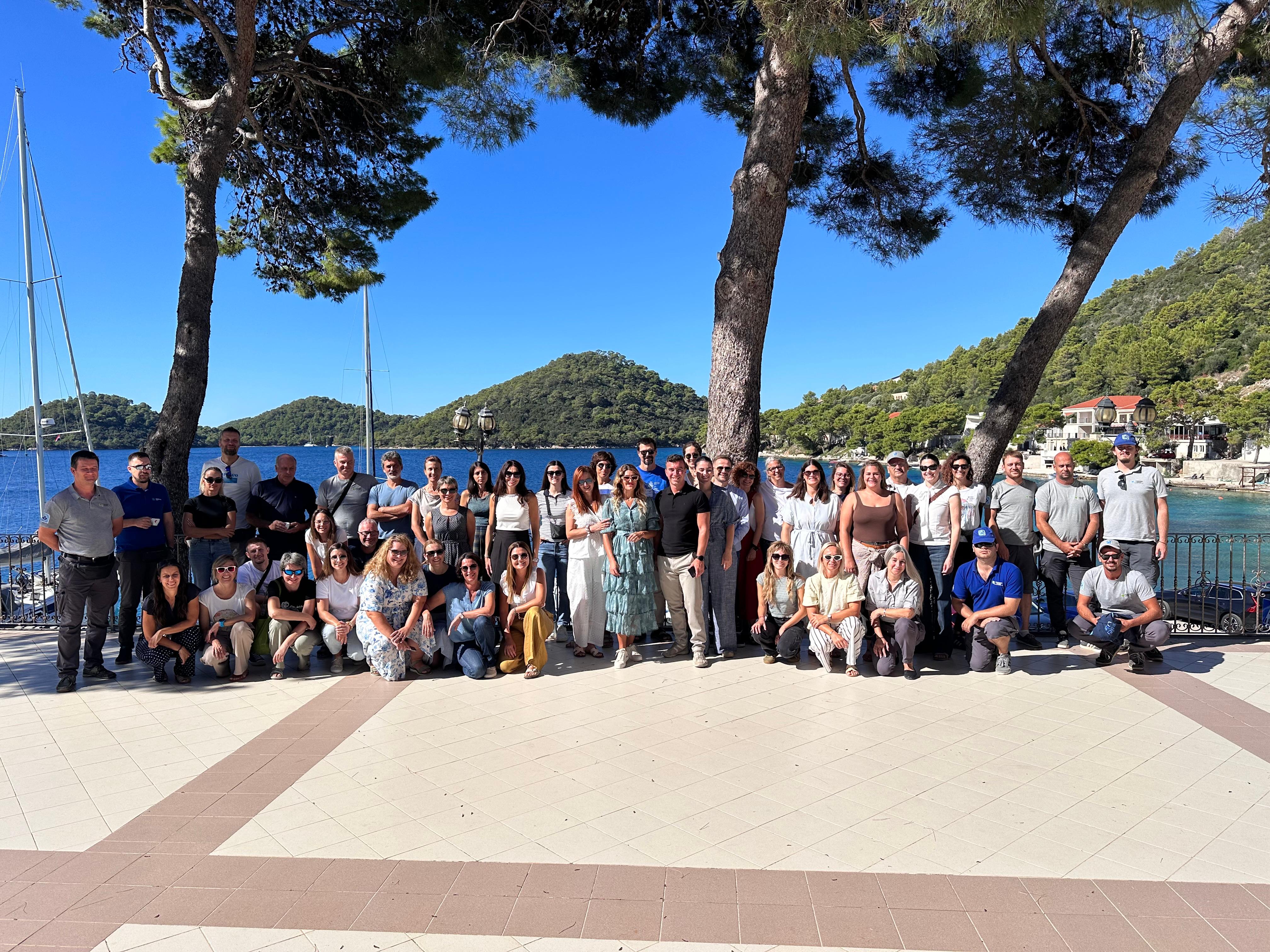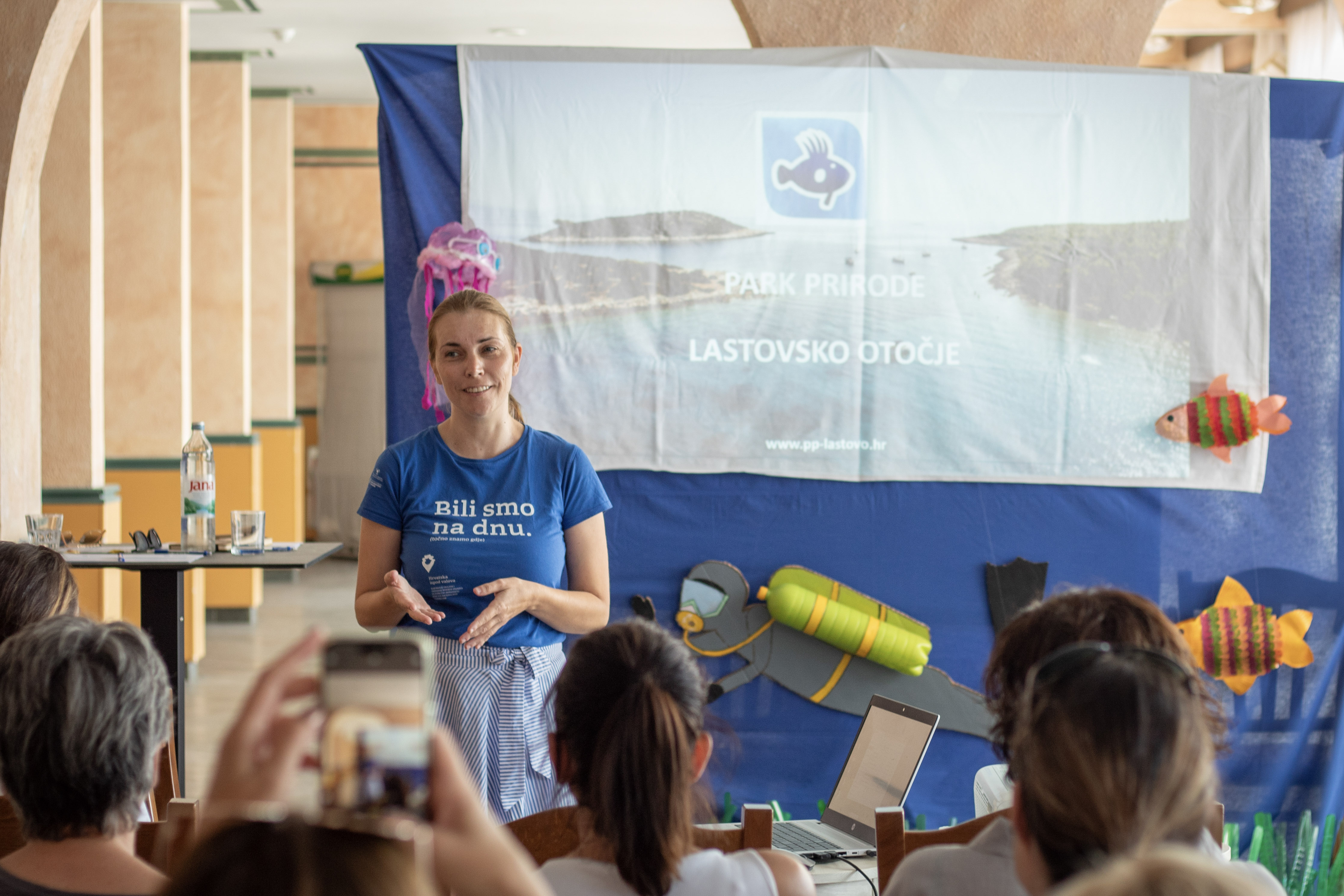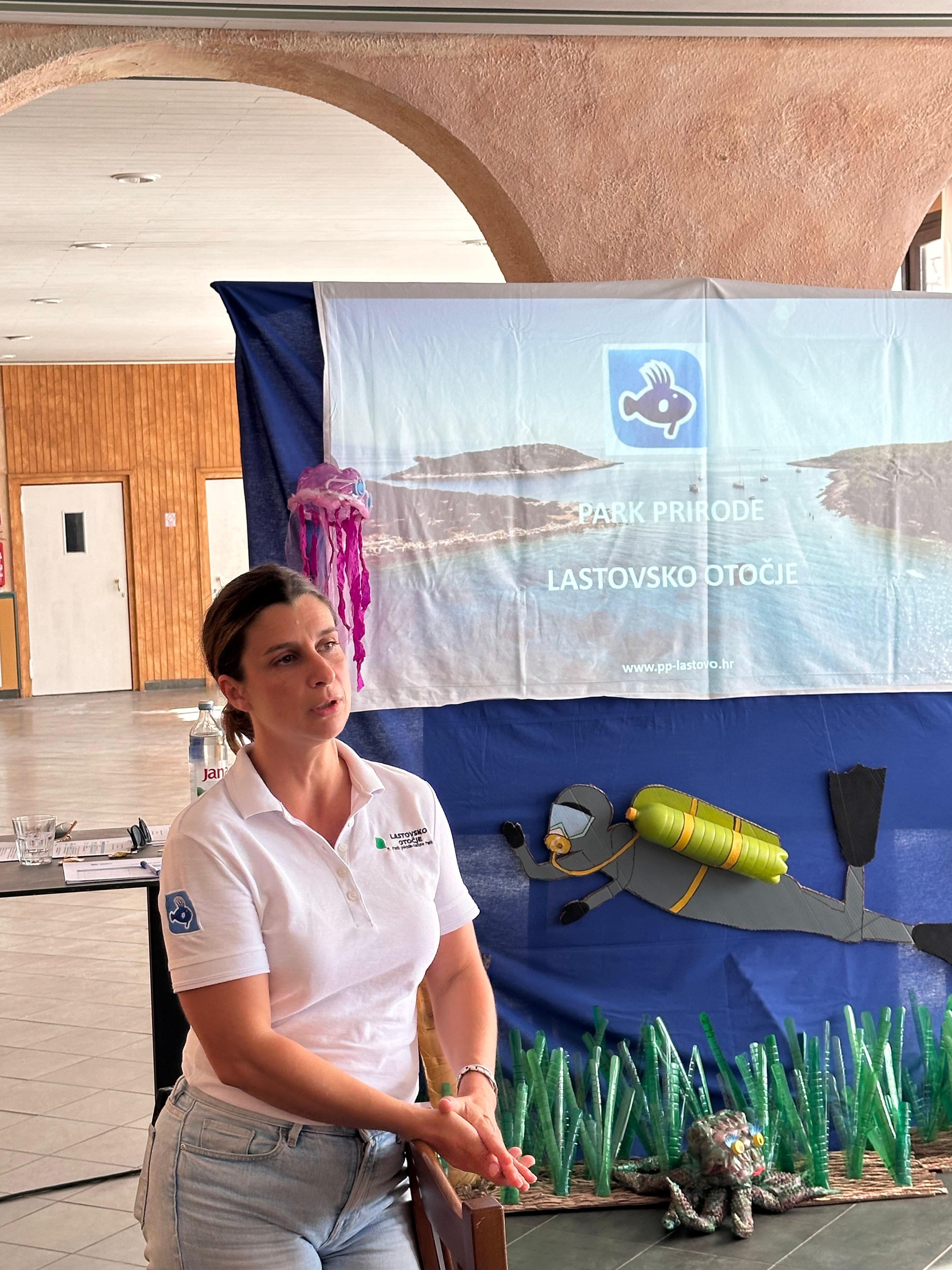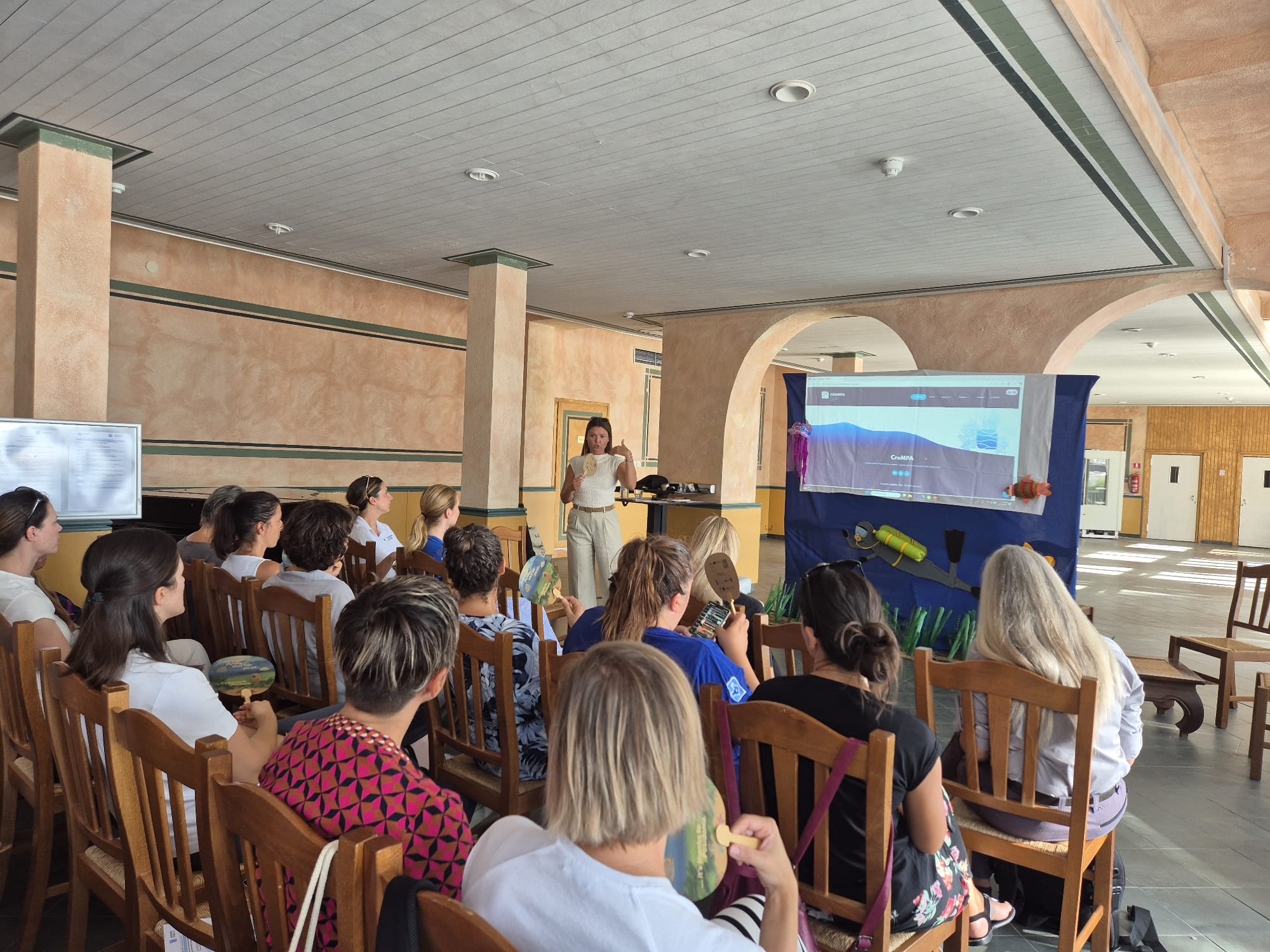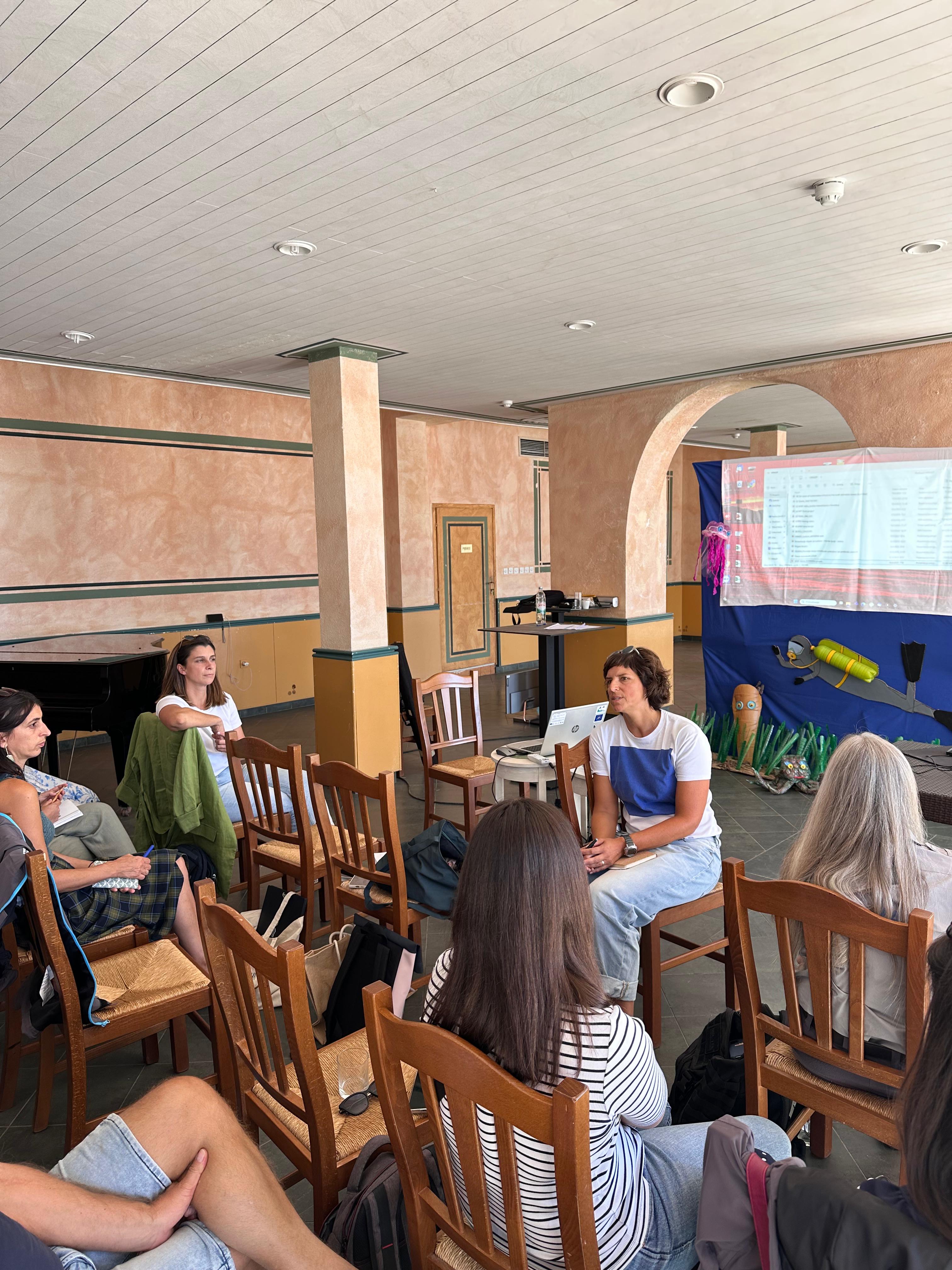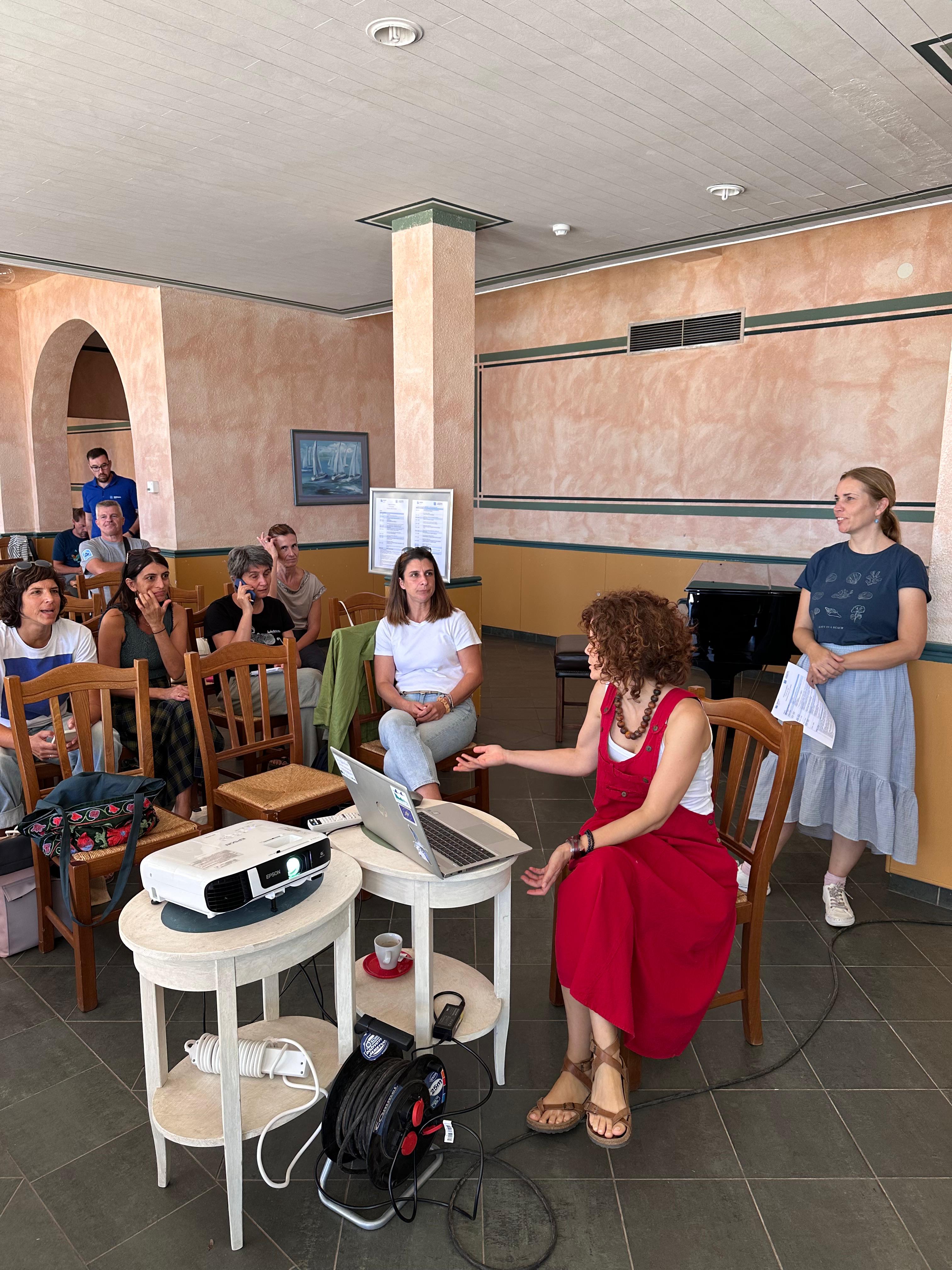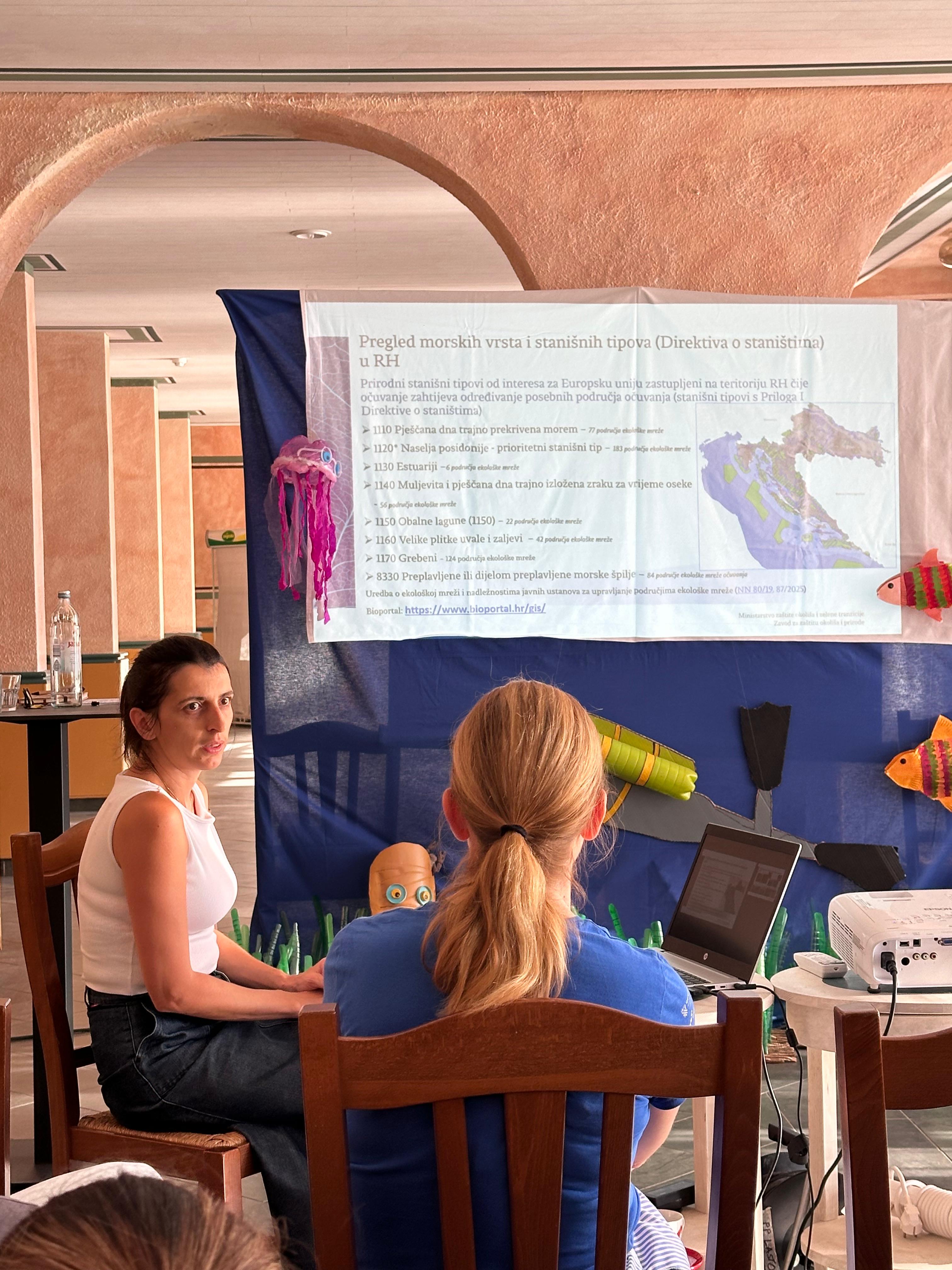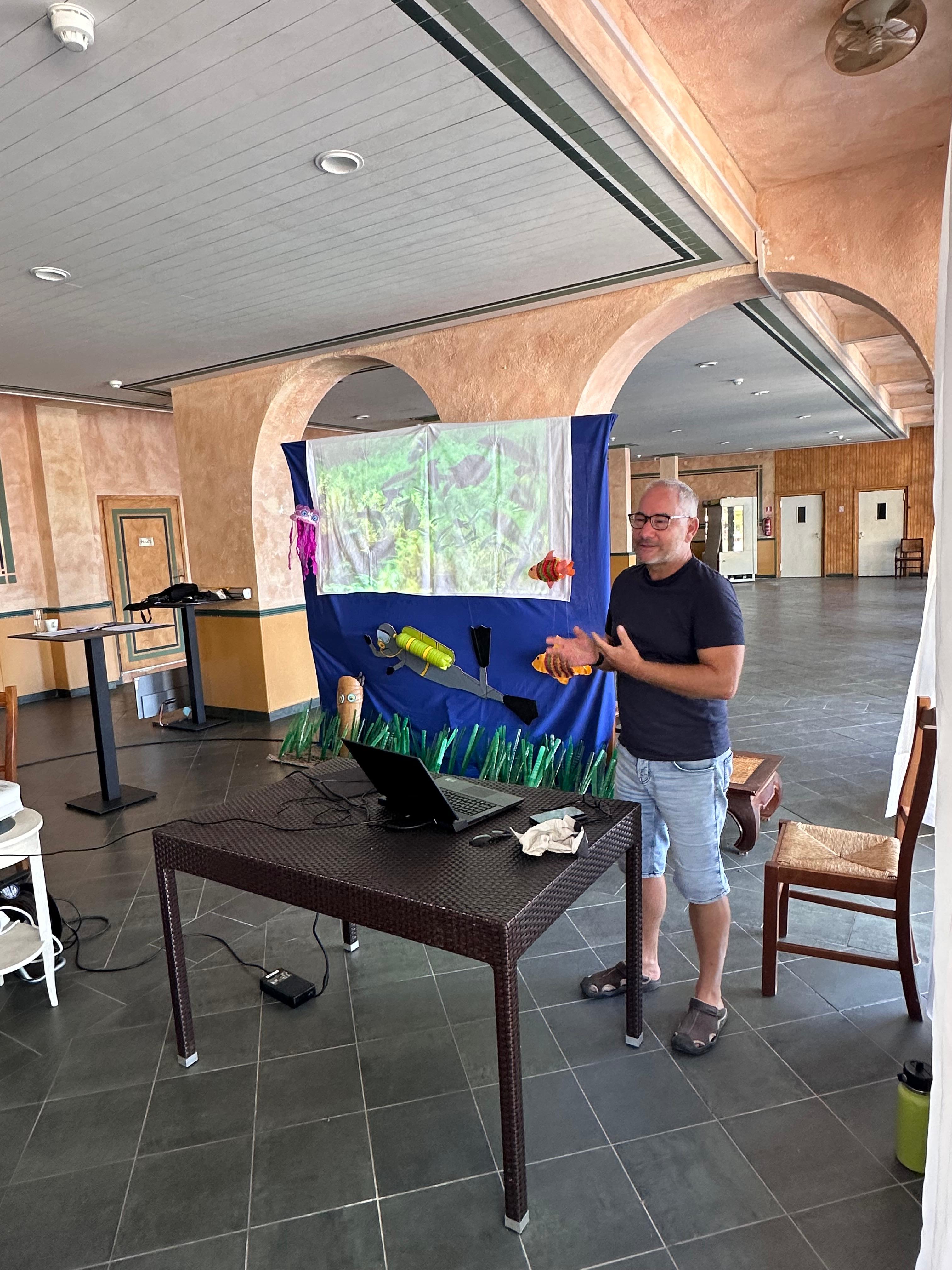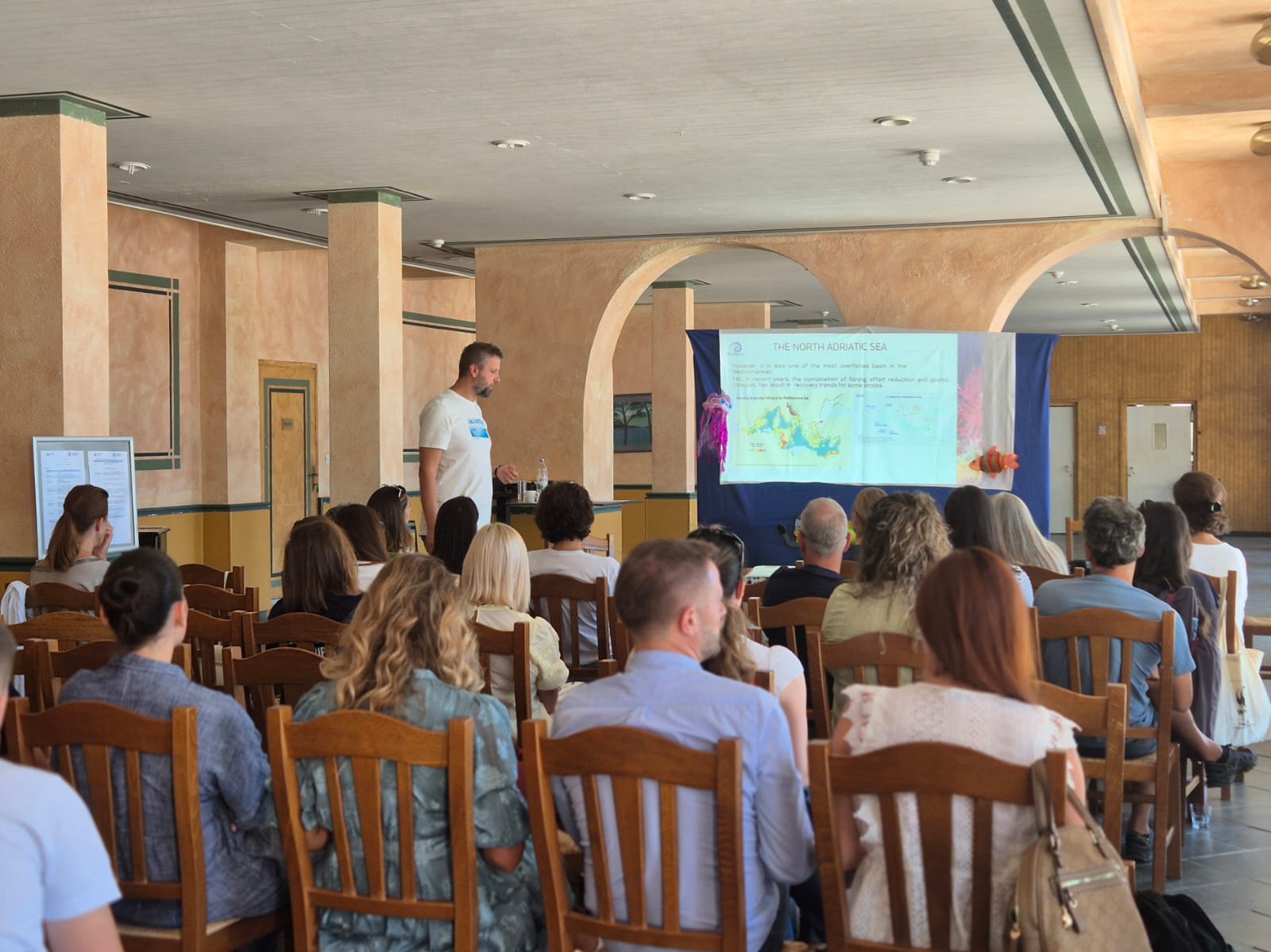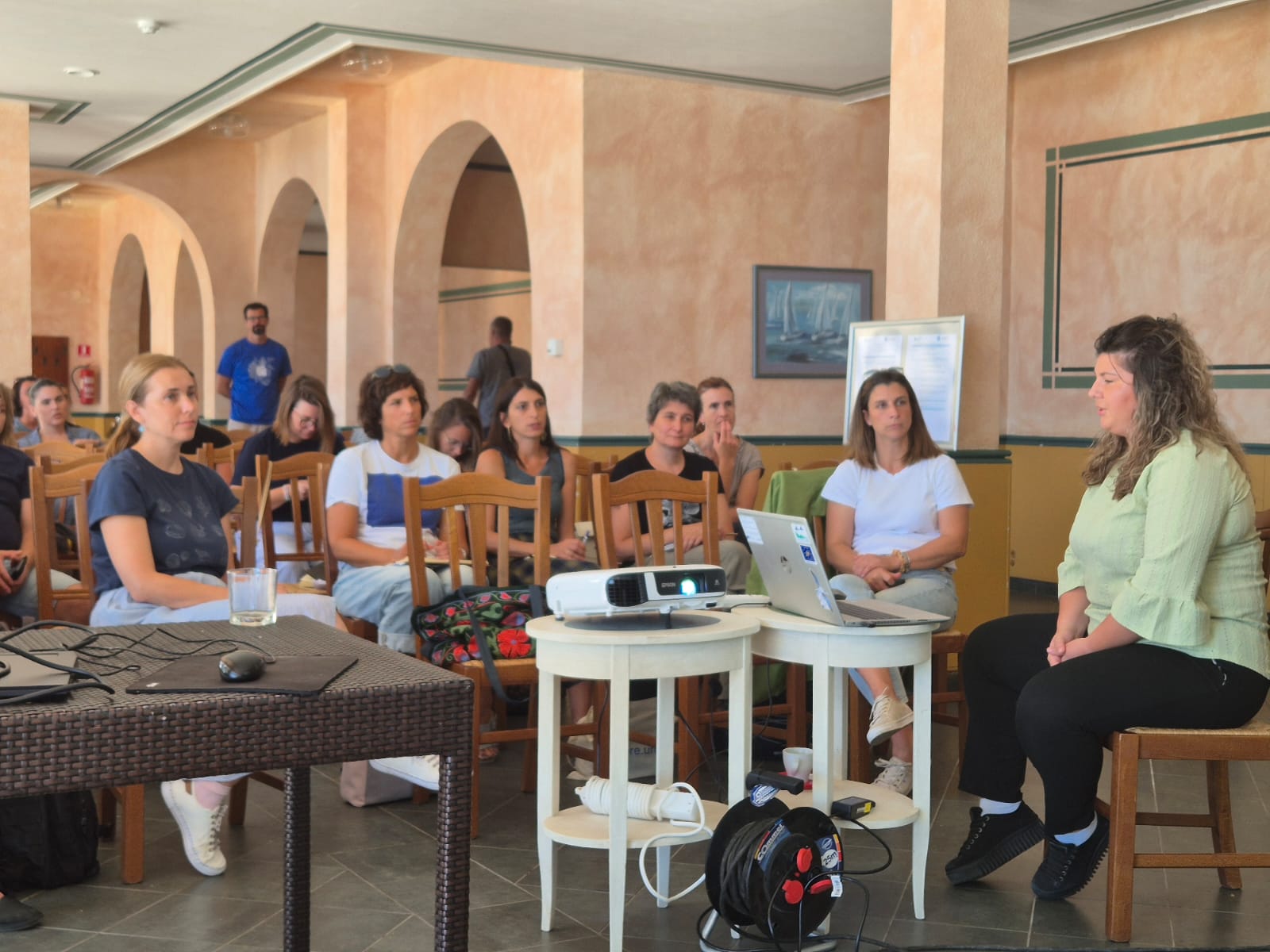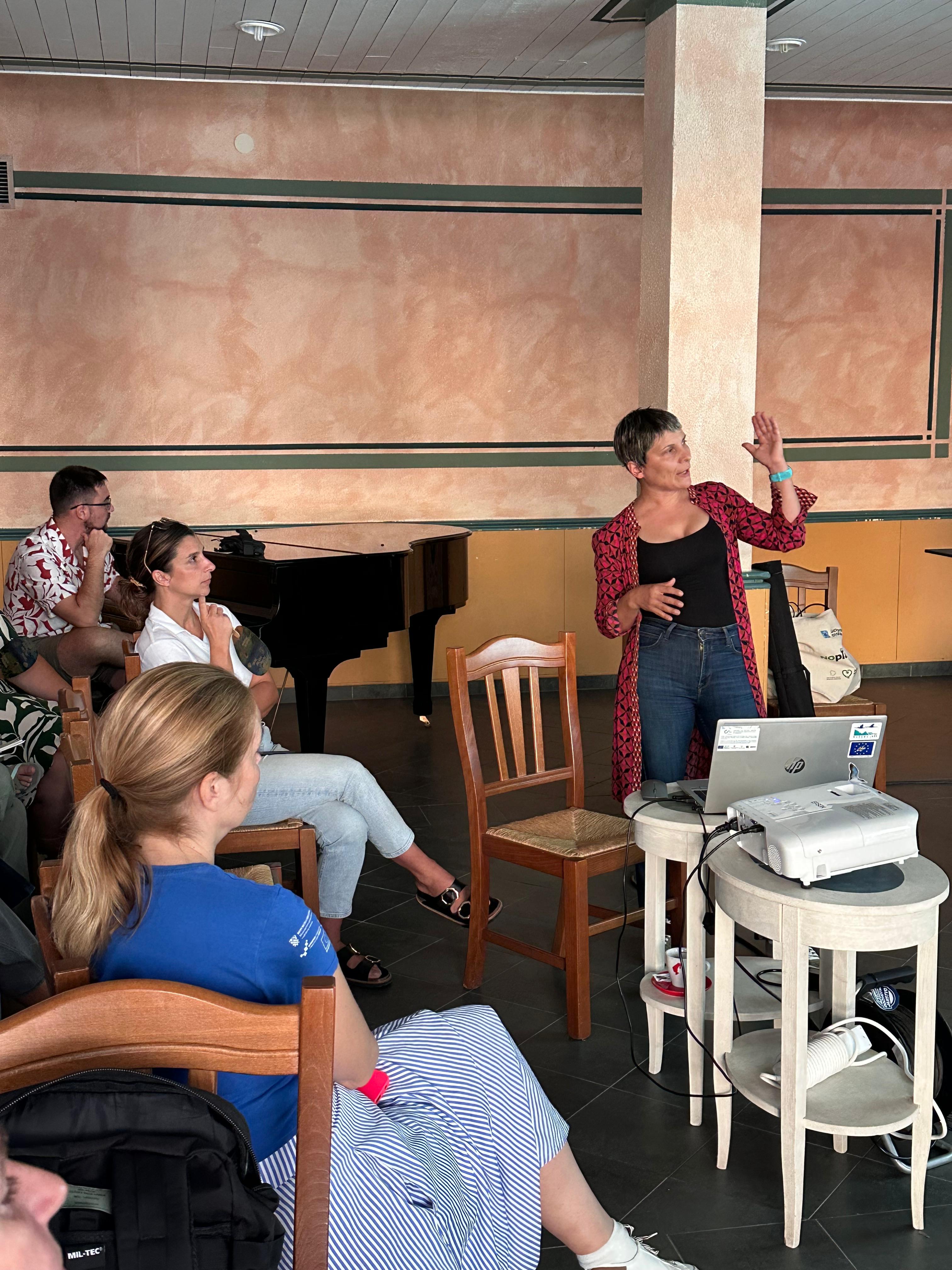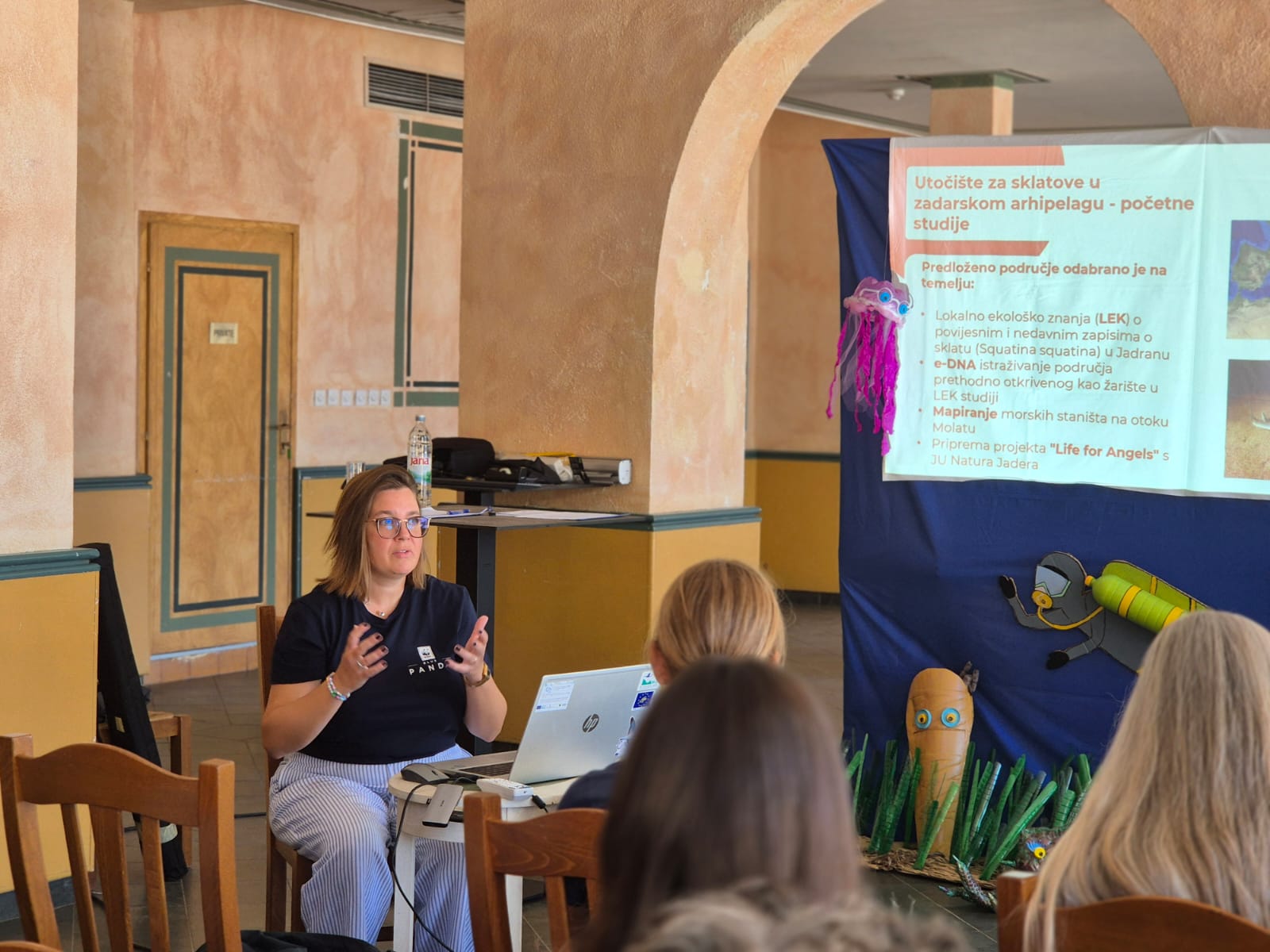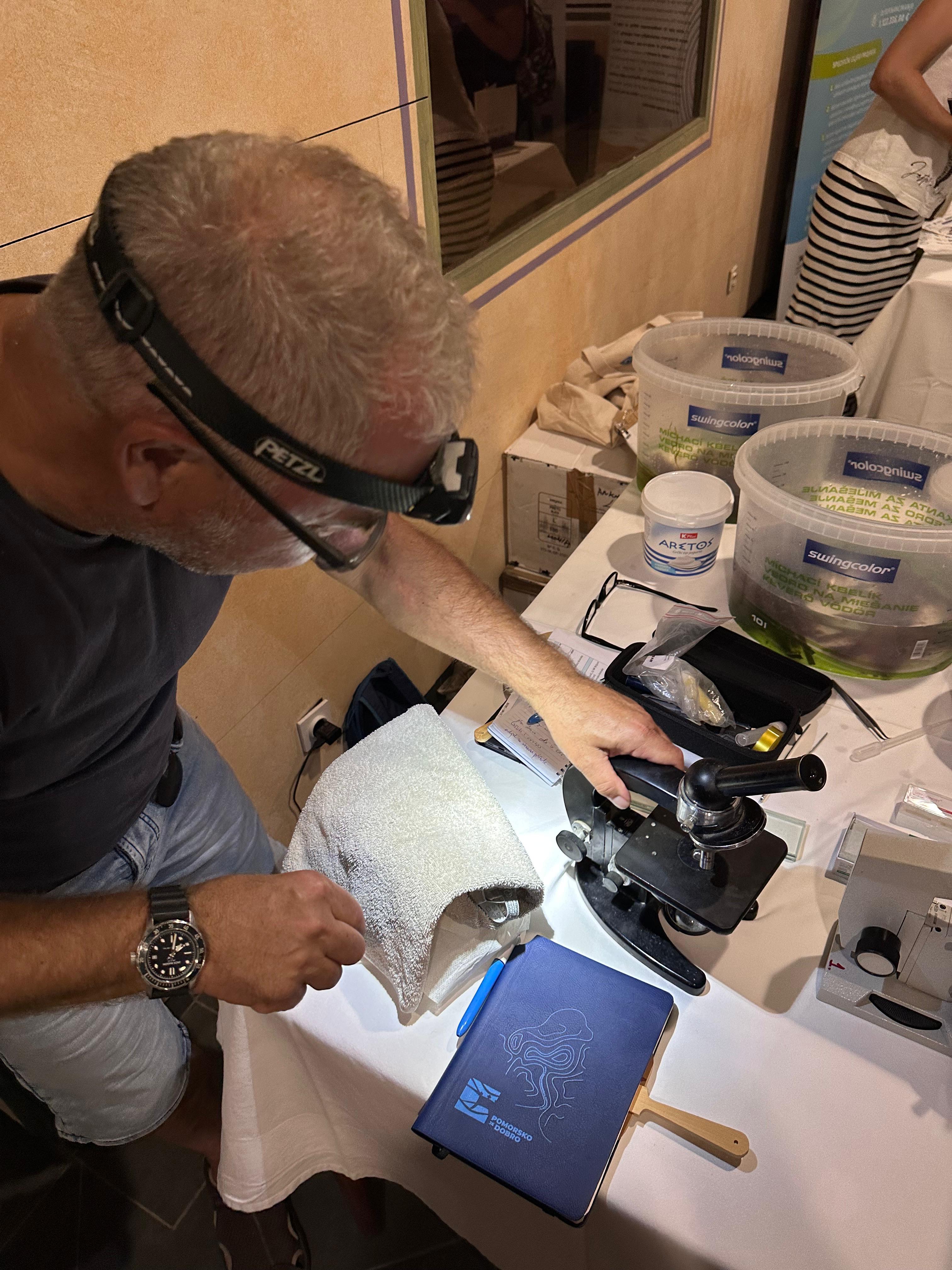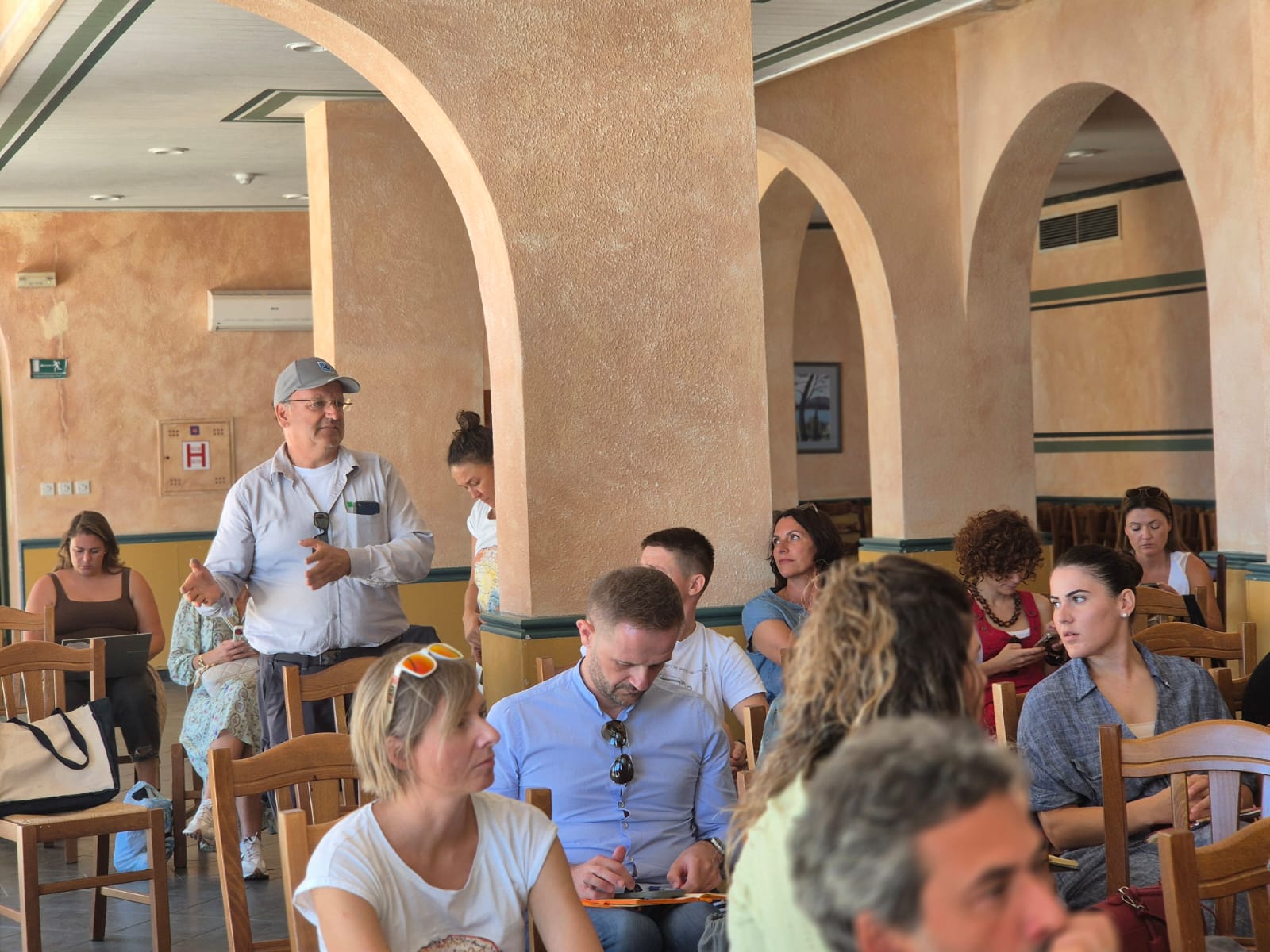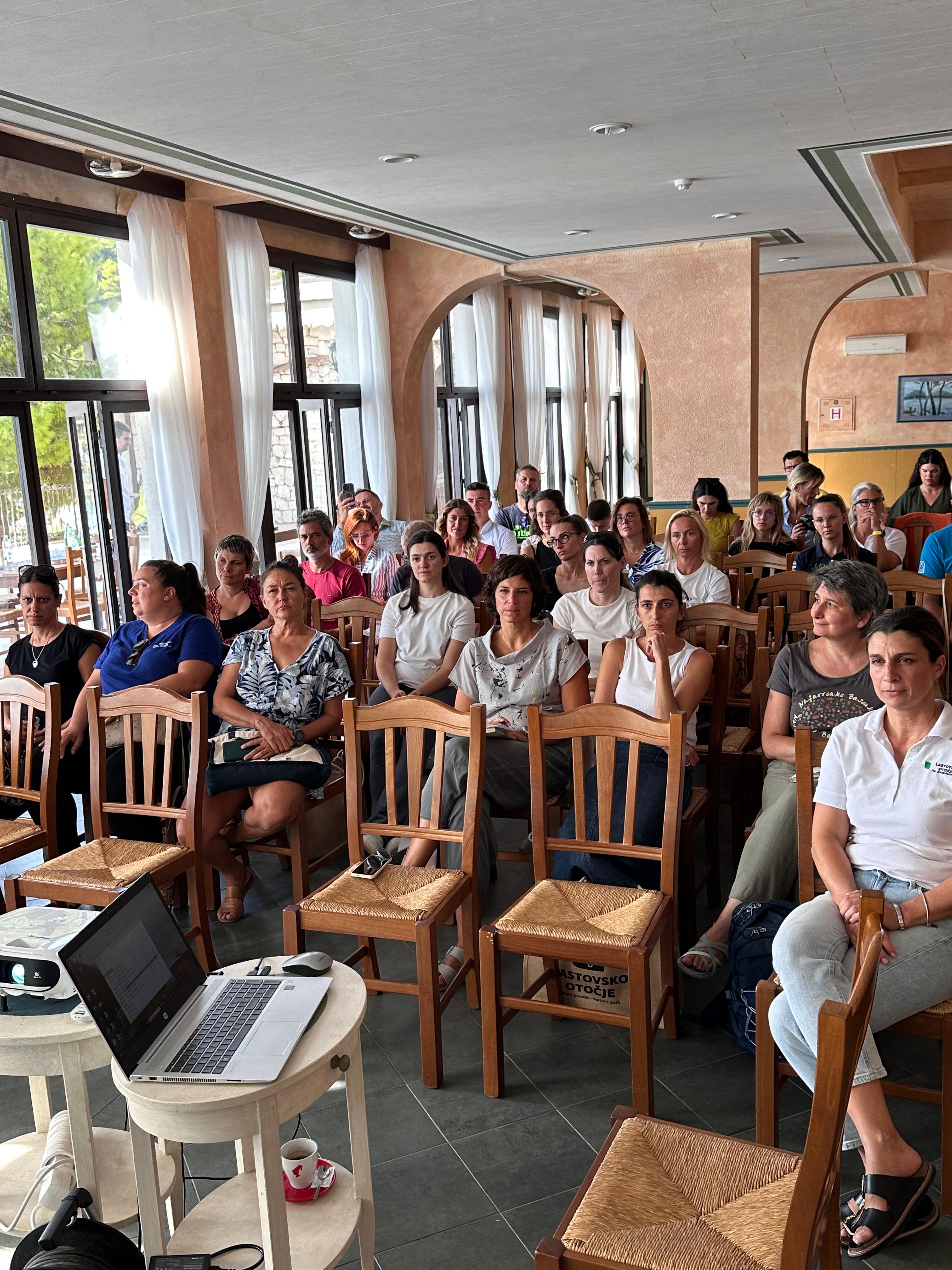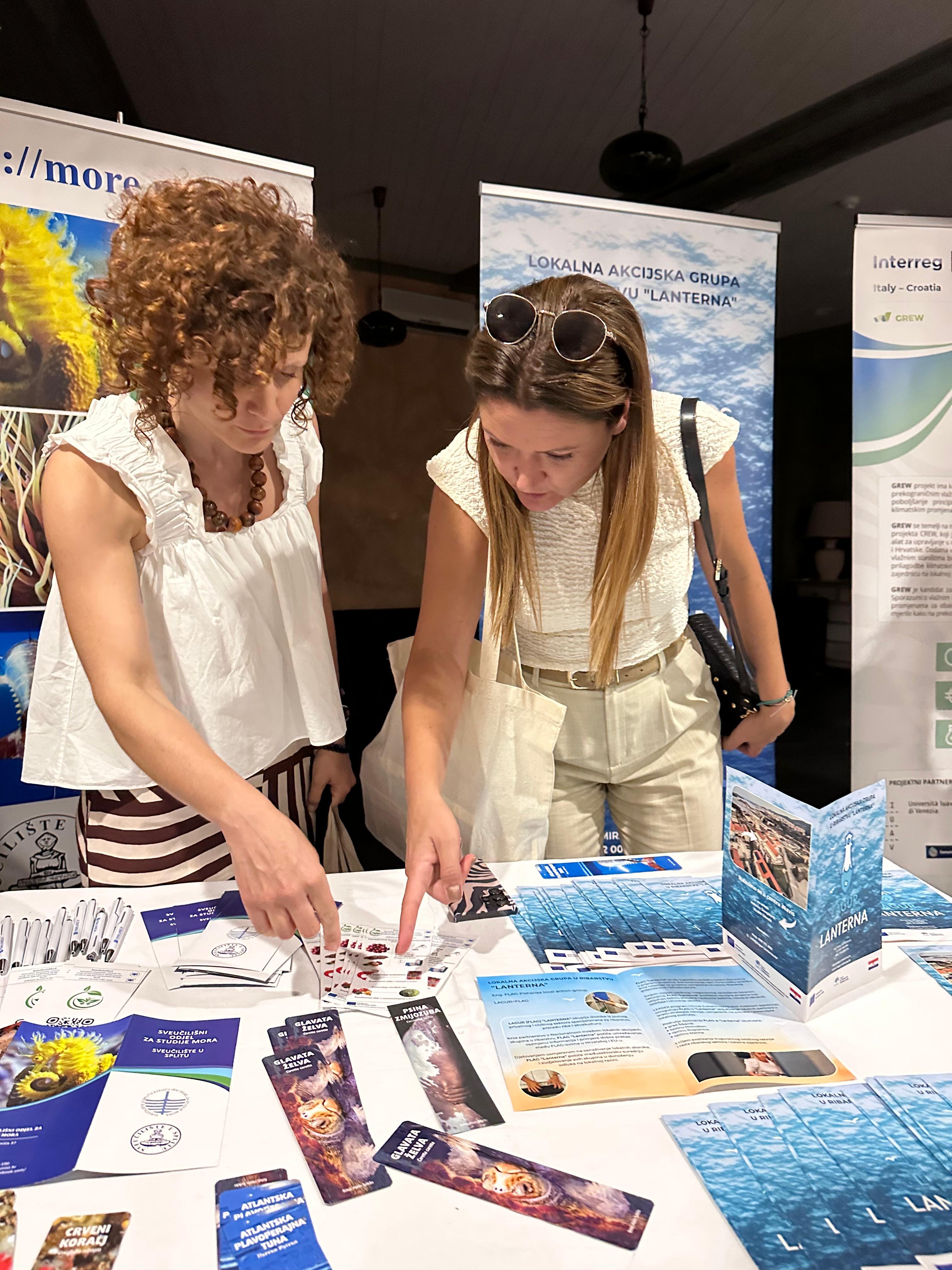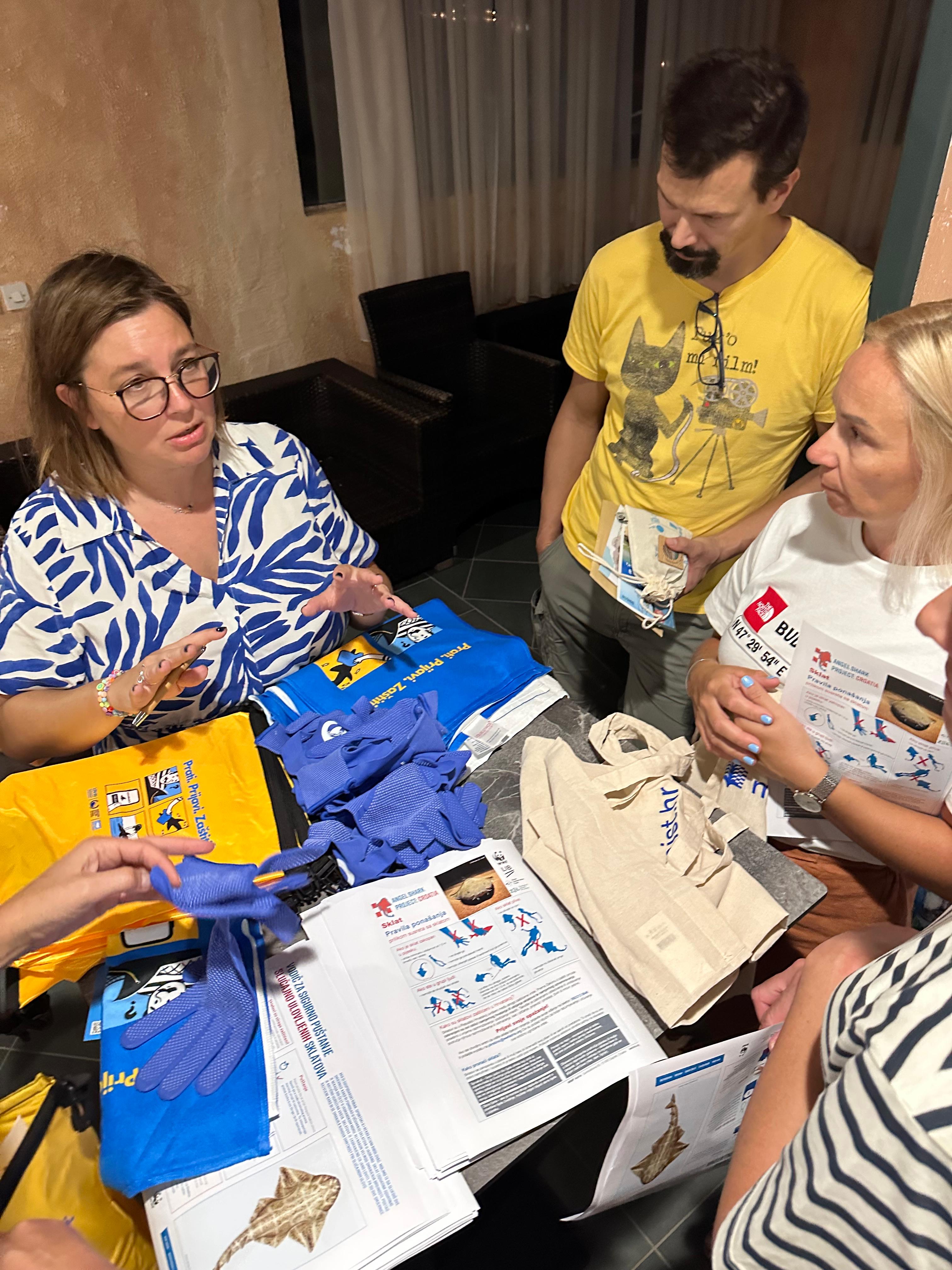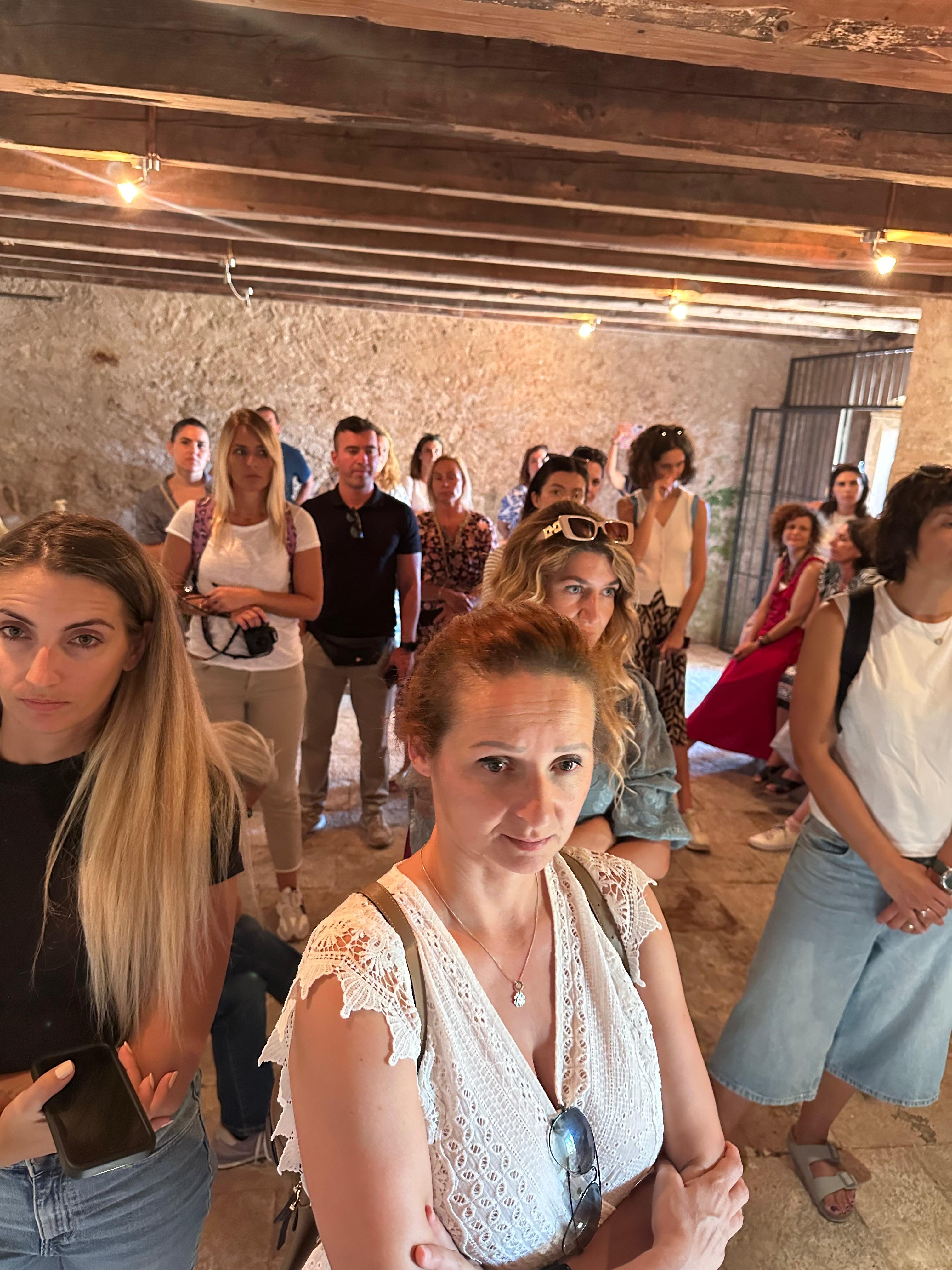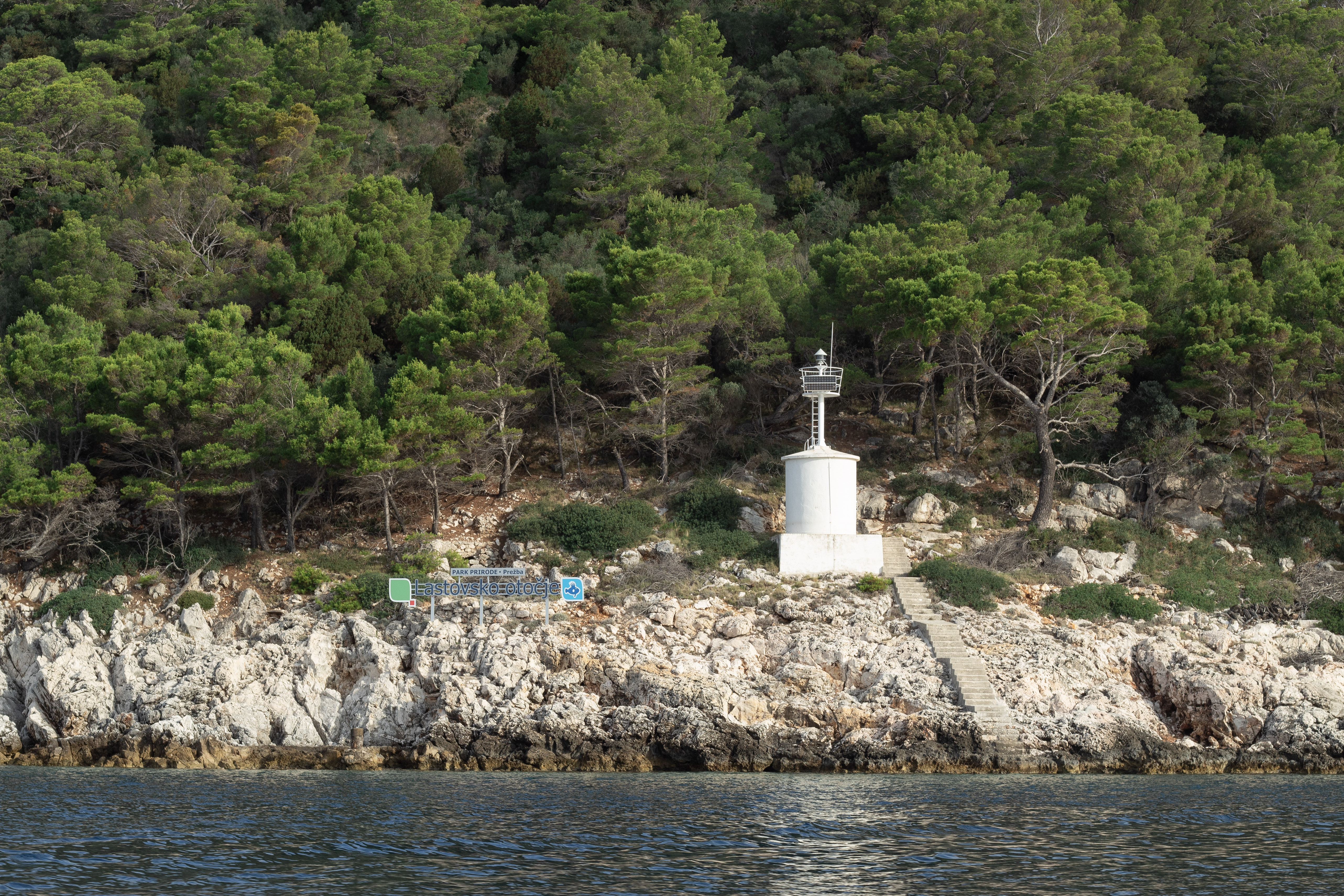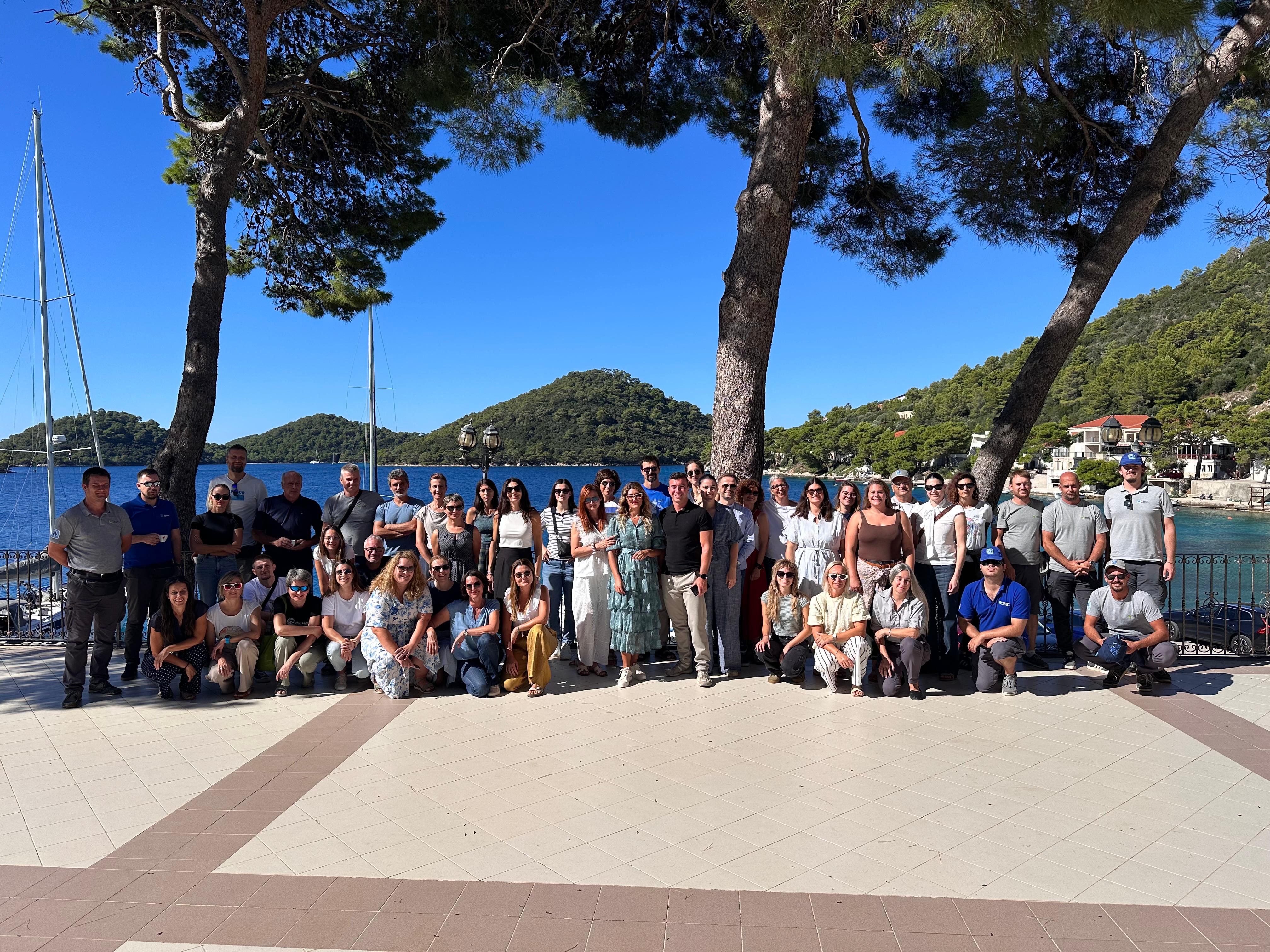
The annual meeting of the Croatian Network of Marine Protected Areas (CroMPA) was held on the island of Lastovo on 17 and 18 September 2025, hosted by the Public Institution of Nature Park Lastovo Islands. The event brought together over 40 representatives from public institutions for the management of protected areas of nature, representatives of the Ministry of Environmental Protection and Green Transition, experts and partners dedicated to the preservation of the marine ecosystem, and colleagues from Montenegro also participated.
The Croatian Network of Marine Protected Areas, established in 2021 on the Brijuni Islands, aims to strengthen cooperation and better coordination of conservation activities among institutions involved in the management and protection of the Adriatic Sea. The network brings together 15 public institutions that manage 18,004.6 km² marine ecosystem in the category of the Natura 2000 ecological network and national protected areas, which makes up 32.5% of the territorial sea of Croatia. The goal of the network is to preserve the Adriatic through the exchange of knowledge, experiences and resources, with an emphasis on:
- improving the efficiency of marine protected area management,
- developing common guidelines and strategies for marine protection,
- promoting scientifically based monitoring of the state of marine habitats and species,
- strengthening the capacities of all stakeholders involved through education and workshops,
- advocating the importance of preserving marine ecosystems among decision-makers and the public.
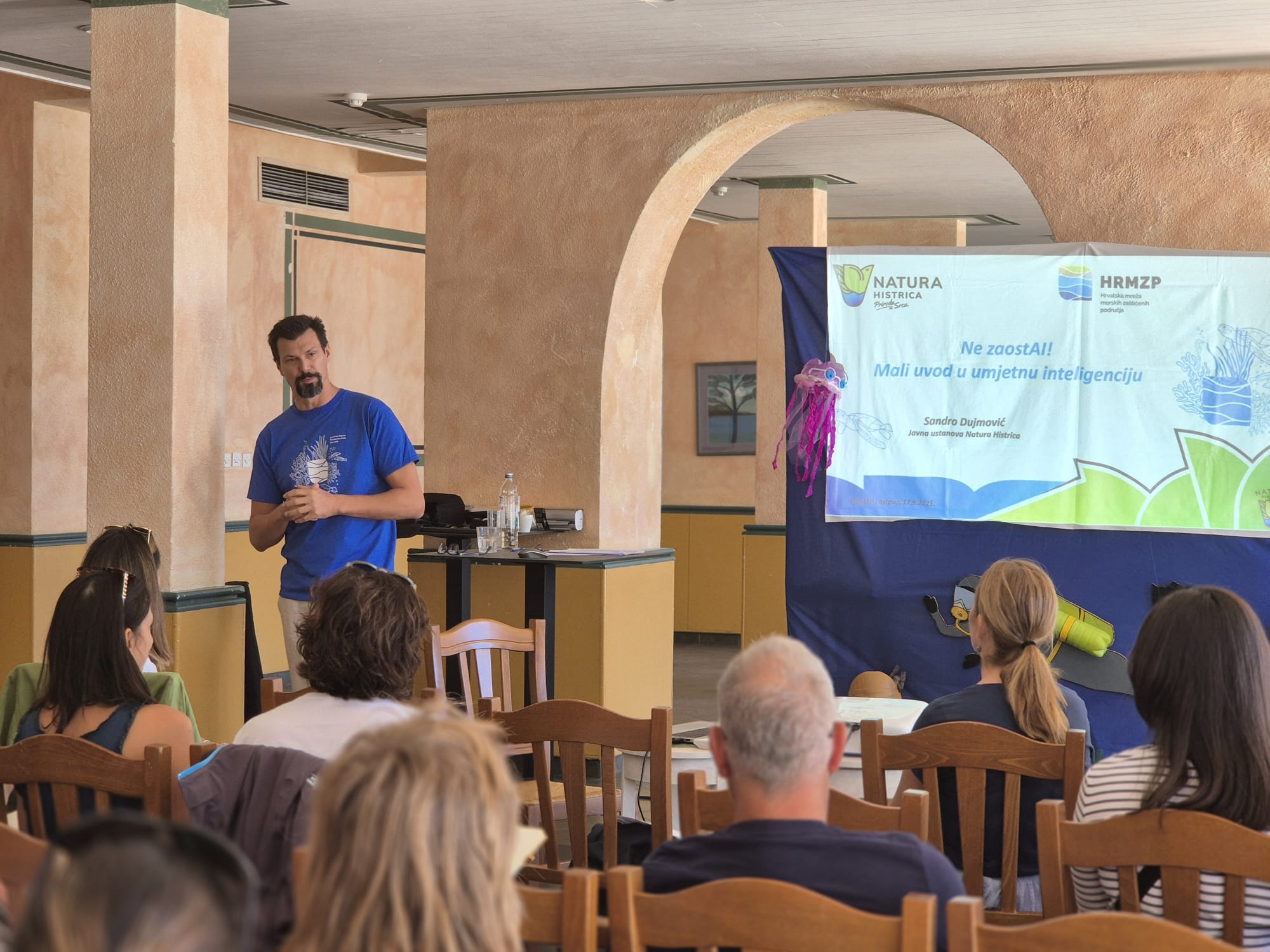
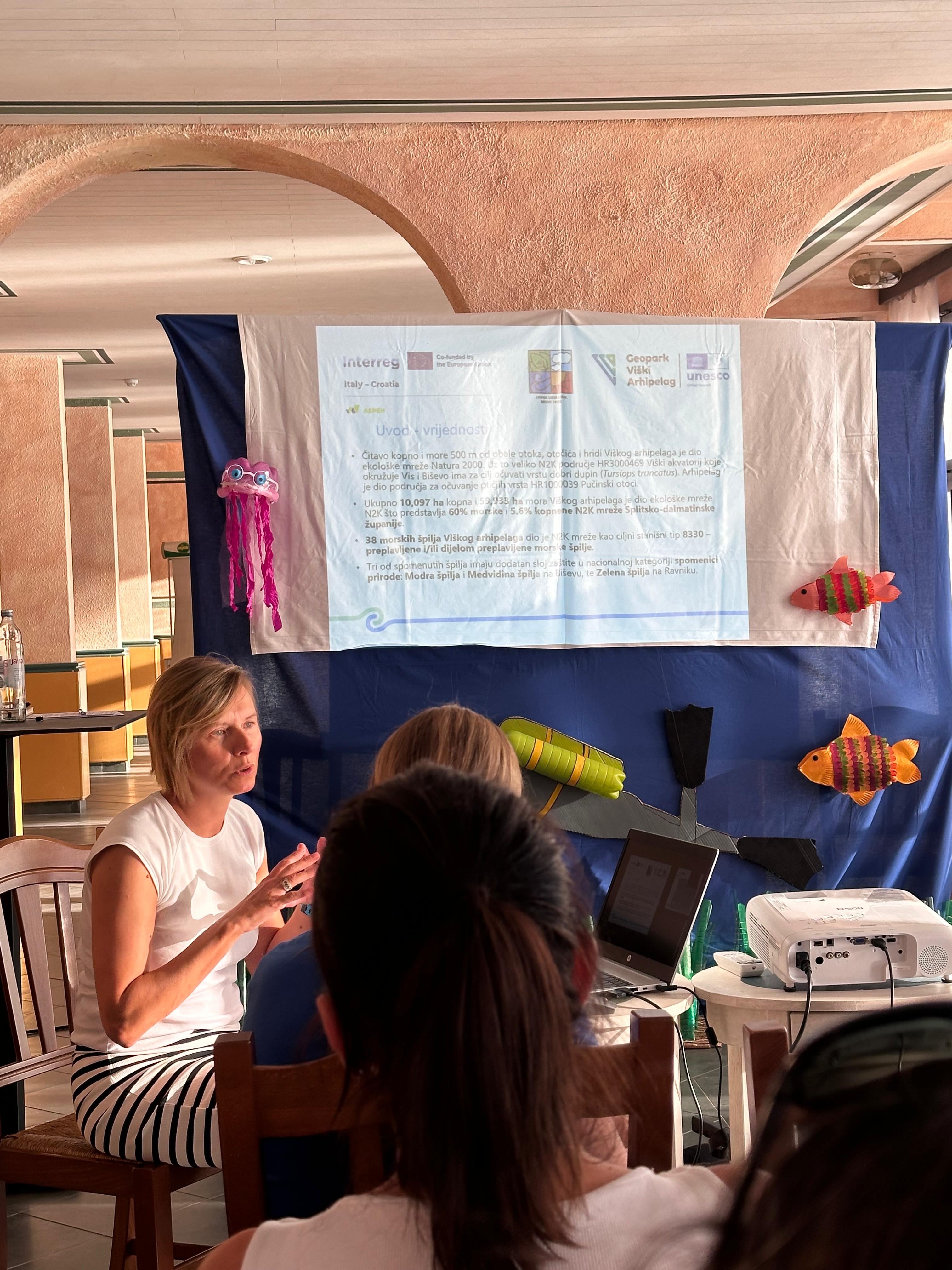
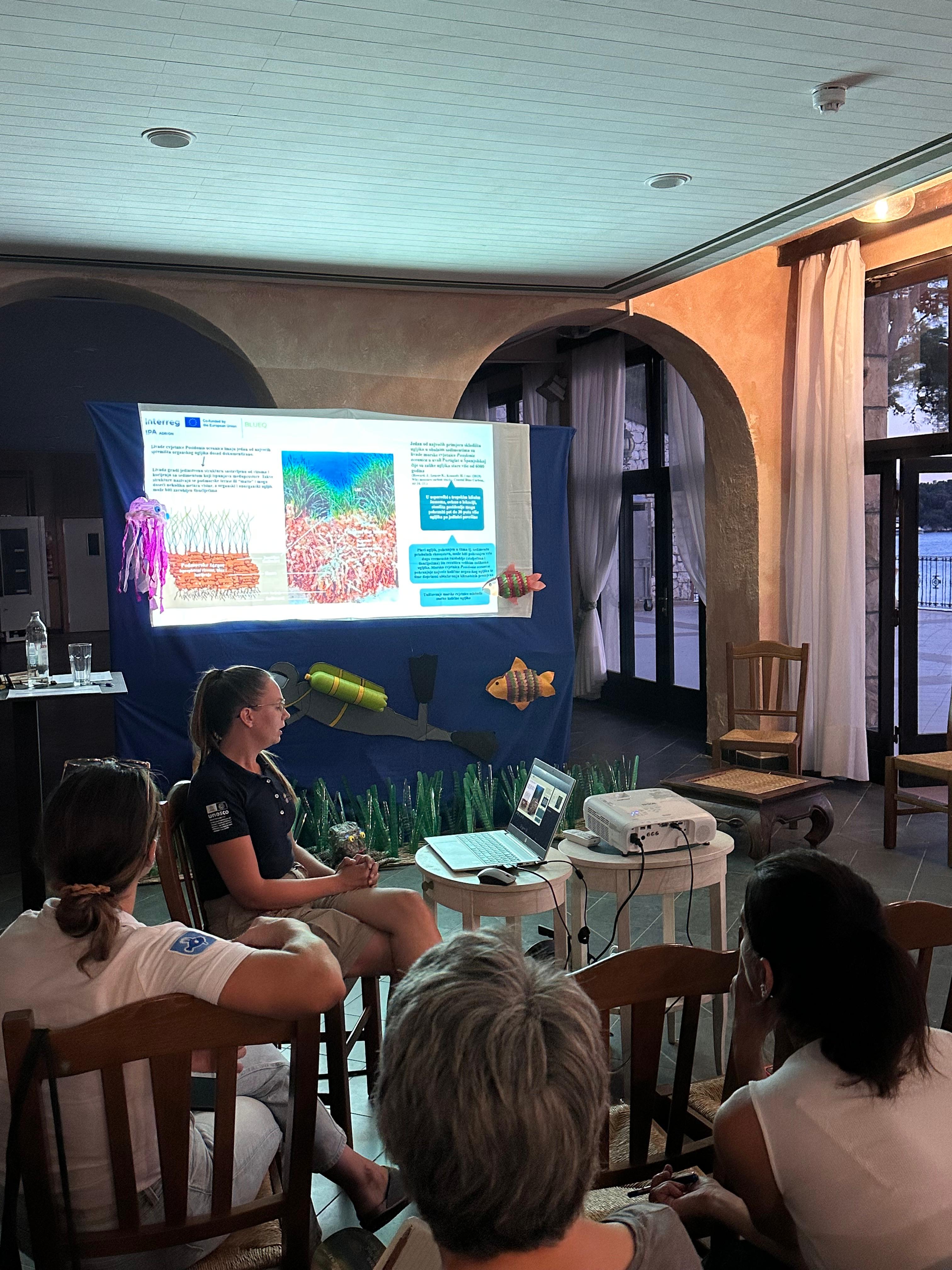
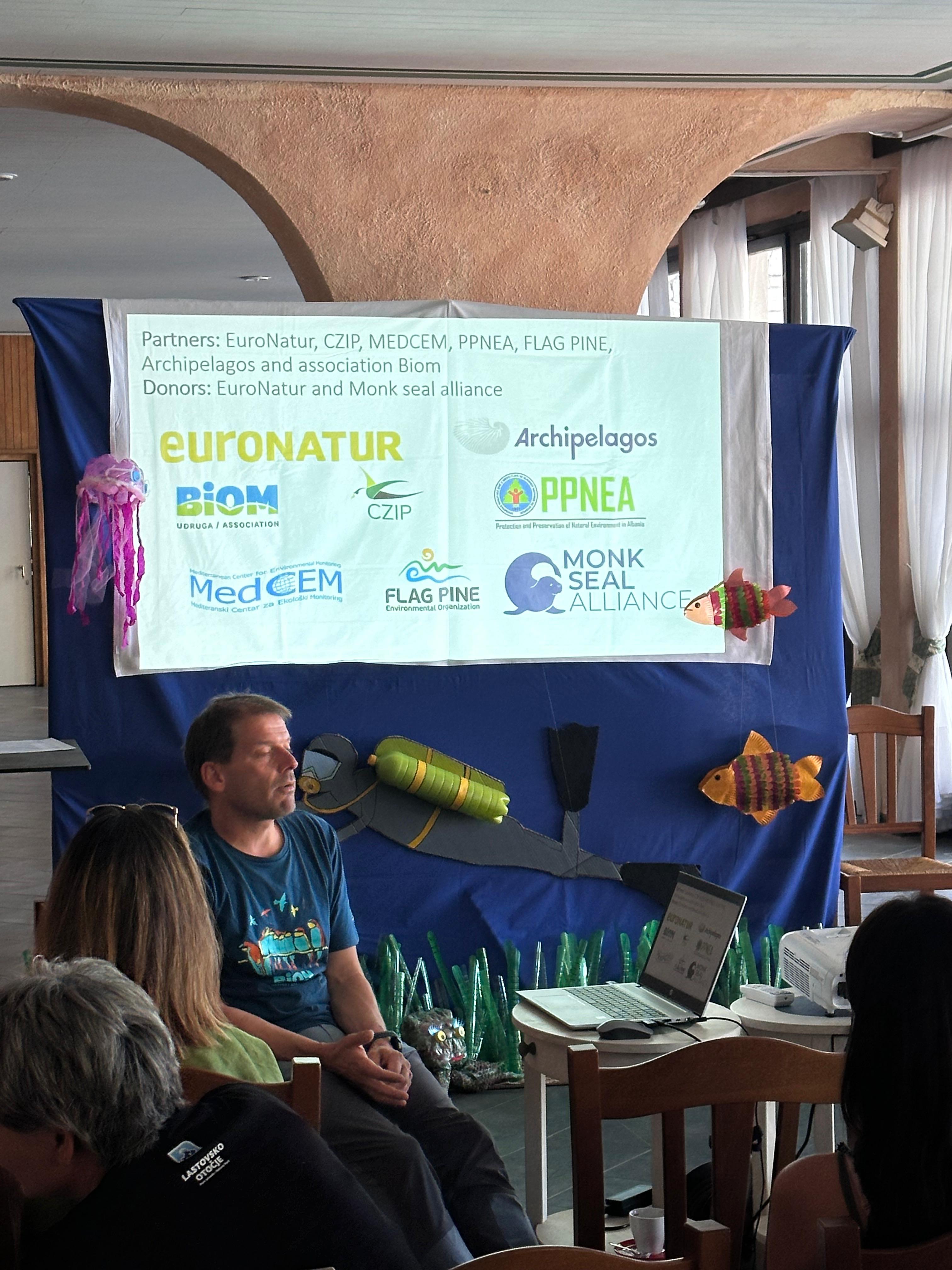
During the two-day meeting, participants discussed the state of biodiversity, presented current projects and exchanged experiences on the management of protected areas. Special attention is paid to monitoring marine species and habitats, understanding the state and adaptation to invasions of new species, preserving biodiversity centers such as seagrass meadows, conserving seabirds and applying innovative approaches, such as artificial intelligence and the concept of "blue carbon" for valorizing ecosystem benefits. The importance of involving local communities, fishermen and the tourism sector in the conservation of natural resources is emphasized. The spread of invasive species and climate change, which additionally threaten and change the ecosystem under anthropogenic pressures (overfished sea, silted coastline, etc.), are highlighted as key challenges.
The state of the Adriatic Sea is constantly changing, and so is our perception of what is "normal" state, which is explained by the concept of a shifting baseline. We are witnessing rapid changes: the decline of indigenous species, the spread of alien species, the destruction of the coast, the reduction of habitats and other things that lead to changes in the functioning of the ecosystem. Therefore, systematic monitoring of the state of the sea, the reduction of negative anthropogenic pressures and the creation of adaptations to preserve a healthy and resilient Adriatic in balance with human activity are crucial.
It was concluded that the protection of the Adriatic requires stronger cooperation between public institutions, non-governmental organizations, the academic sector and research institutions through joint projects and workshops. The participants supported the continuation of thematic monthly online meetings, the work of the group for monitoring the state of species and habitats, active participation in working groups of other organizations and contribution to changes in legislation through the analysis of legal acts. CroMPA will also support projects of partner institutions.
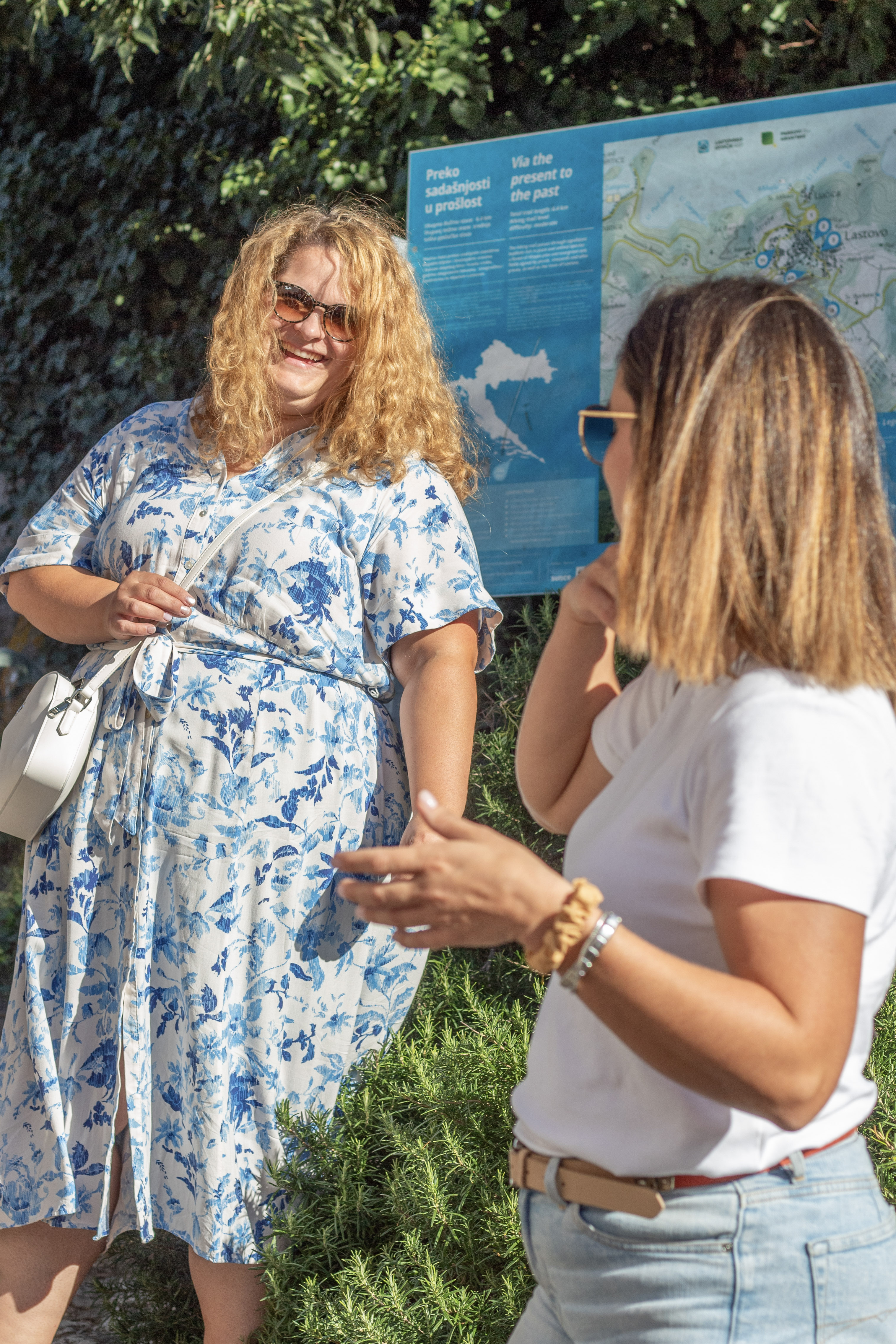
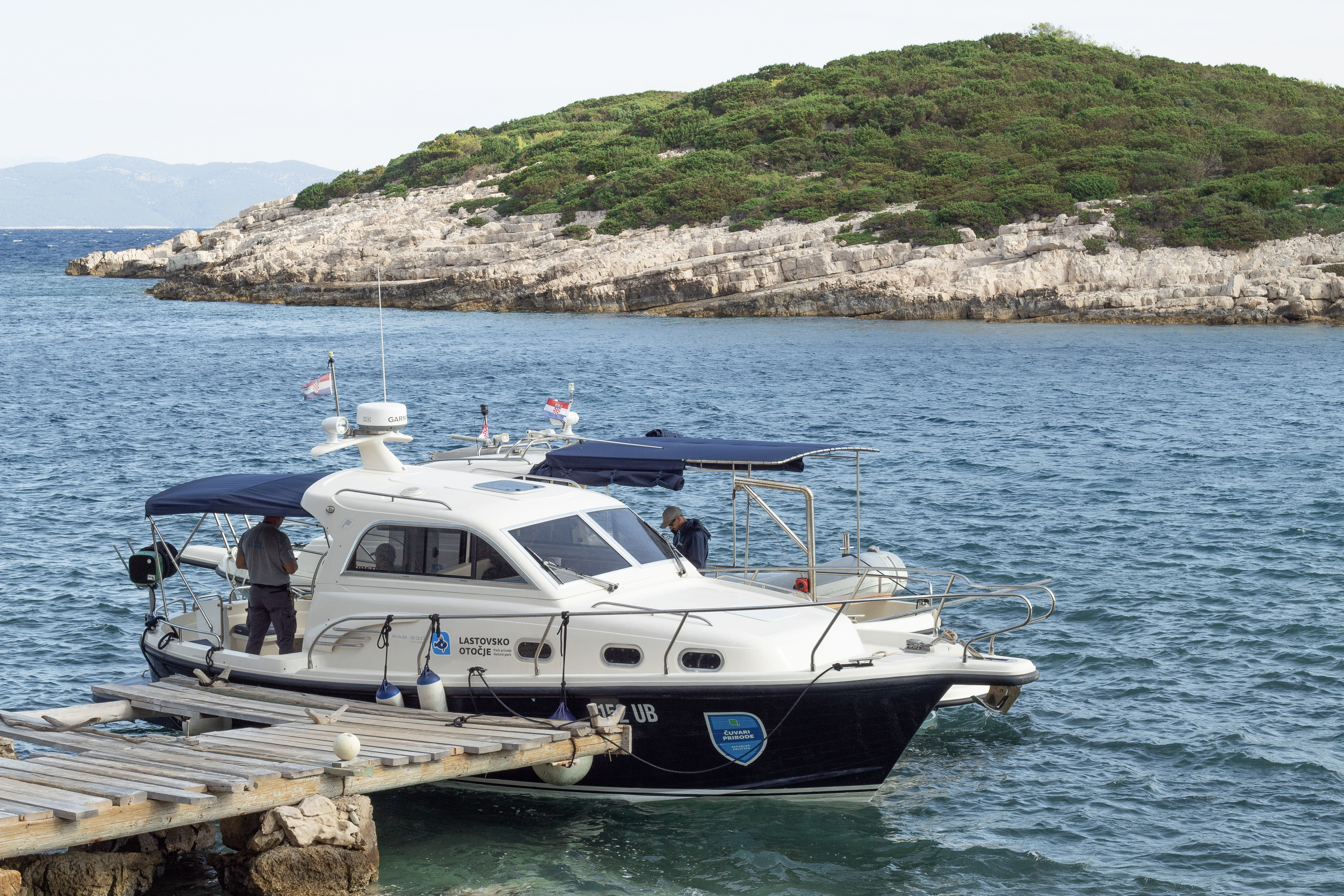
The host of the meeting, the Lastovo Islands Nature Park Public Institution, presented its natural and cultural heritage and projects aimed at marine conservation and local community involvement, which further enriched the atmosphere of the meeting. The importance of international cooperation was also emphasized, especially through participation in the MedPAN network and other Mediterranean initiatives.
Due to the shifting baseline, we do not know exactly what the Adriatic Sea looked like in the past, but we are witnessing rapid changes: the decline of indigenous species, the spread of alien species and changes in the functioning of the ecosystem. Therefore, systematic monitoring of the state of the sea, the reduction of negative anthropogenic pressures and the creation of adaptations to preserve a healthy and resilient Adriatic in balance with human needs are crucial.
.jpg)